
Dollar-Cost Averaging: Why Timing the Market Is Harder Than It Sounds

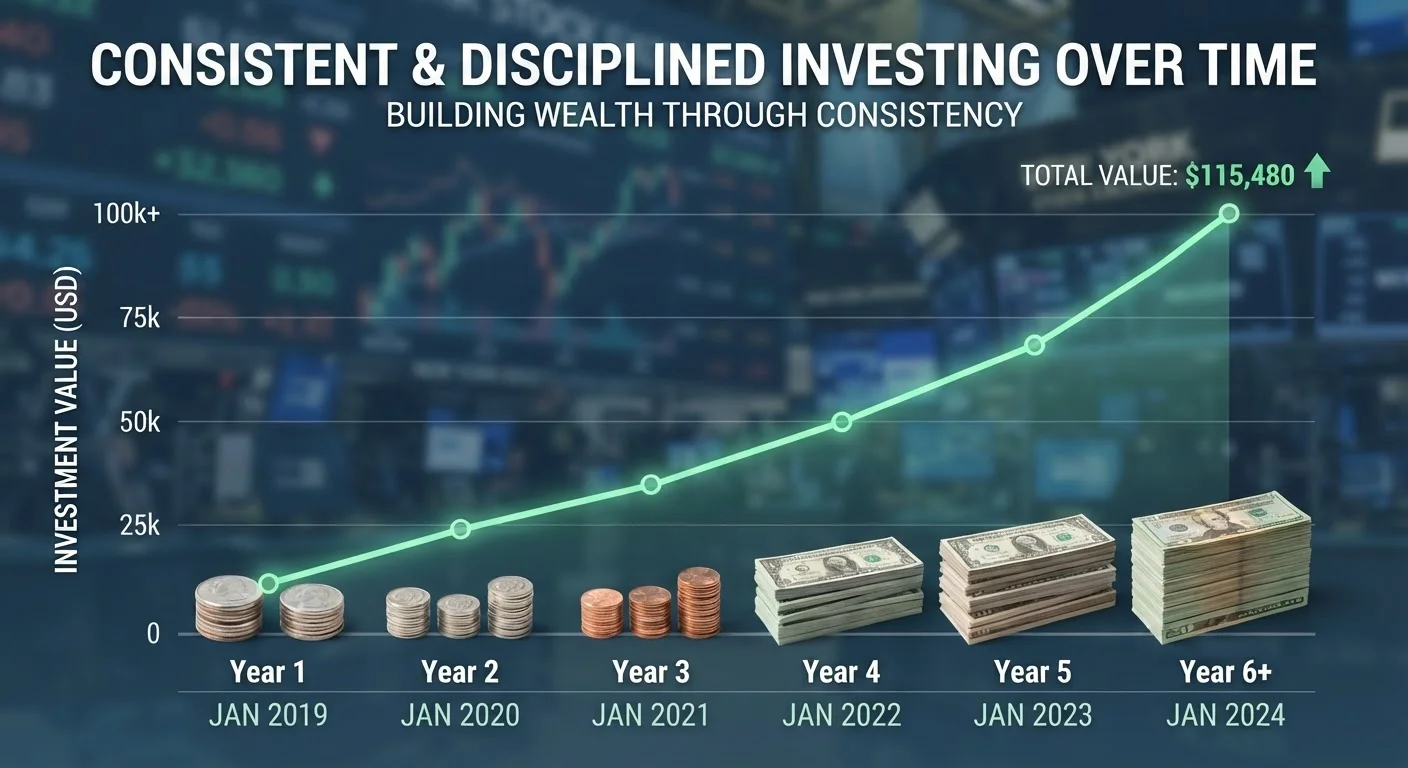
Photo: ShortwebArticles.com | Content For The Curious editorial
Key Takeaways
- Dollar-cost averaging removes the pressure of trying to pick the perfect time to invest.
- Investing a fixed amount regularly means you automatically buy more shares when prices drop.
- DCA works best as a long-term habit, not a short-term trading tactic.
- Many workplace retirement plans like 401(k)s already use this method by default.
- No investment strategy eliminates risk — DCA manages timing risk, not market risk.
Why Timing the Market Is So Difficult
Every investor has a version of this fantasy: buy low, sell high, repeat. In reality, even seasoned fund managers with teams of analysts consistently fail to time market peaks and troughs reliably. Studies of professional fund performance have repeatedly shown that most actively managed funds underperform their benchmark index over the long term, largely because of the drag created by poorly timed trades.
For everyday investors, the challenge is even steeper. Emotional reactions — panic-selling during dips, hesitating to buy during rallies — tend to do real damage to long-term returns. If you've ever held cash on the sidelines waiting for prices to drop "just a little more," only to watch the market rise without you, you've felt this firsthand. See our guide on why new investors abandon their portfolios for a deeper look at these patterns.
“The stock market is a device for transferring money from the impatient to the patient.”
— Warren Buffett, Chairman and CEO of Berkshire Hathaway; widely regarded as one of the most successful long-term investors
How Dollar-Cost Averaging Actually Works
The mechanics are simple. Suppose you decide to invest $200 every month into a broad index fund. Some months the price per share is $50, so you buy 4 shares. The next month it drops to $40 — now you're getting 5 shares for the same $200. A month later prices rebound to $50 and you're back to 4 shares. After three months you've spent $600 and own 13 shares. Your average cost per share is about $46.15 — lower than the highest price you encountered.
That's the quiet power of DCA: you don't need to predict anything. The math works in your favor when prices fluctuate, which they always do.
~90%
Active funds that underperform their index over 20 years
According to S&P Dow Jones Indices' SPIVA reports, roughly 90% of actively managed U.S. equity funds have underperformed their benchmark index over a 20-year period.
$0
Minimum market knowledge required to start DCA
Dollar-cost averaging is designed to remove the need for market prediction — a fixed schedule replaces the need for timing decisions entirely.
401(k)
Most common real-world DCA vehicle in America
Employer-sponsored 401(k) plans automatically apply dollar-cost averaging by deducting set contributions from each paycheck, regardless of market conditions.
This approach pairs naturally with the habits described in our guide to building good investing habits — because DCA is fundamentally about behavior, not brilliance.
Who Benefits Most From This Approach
Dollar-cost averaging suits anyone who:
- Is just starting out and doesn't have a large lump sum ready to invest
- Wants to invest but feels anxious about market volatility
- Earns a regular paycheck and prefers to automate their finances
- Has a long investment horizon — typically ten or more years
If you're working with a modest budget, this strategy fits especially well. Our guide to investing on any income explains how to build a sustainable investing habit even when cash flow is tight. You can also find complementary ideas in our tips for saving on a tight budget.
Automate It So You Don't Think About It
This article is for general informational and educational purposes only and does not constitute personalized financial, investment, or tax advice. Consult a qualified financial professional before making investment decisions based on your individual circumstances.
Frequently Asked Questions
The content on this site is for informational purposes only and is not a substitute for professional advice. Always consult a qualified professional for guidance specific to your situation.