
Before You Start a New Exercise Program: A Safety and Readiness Checklist

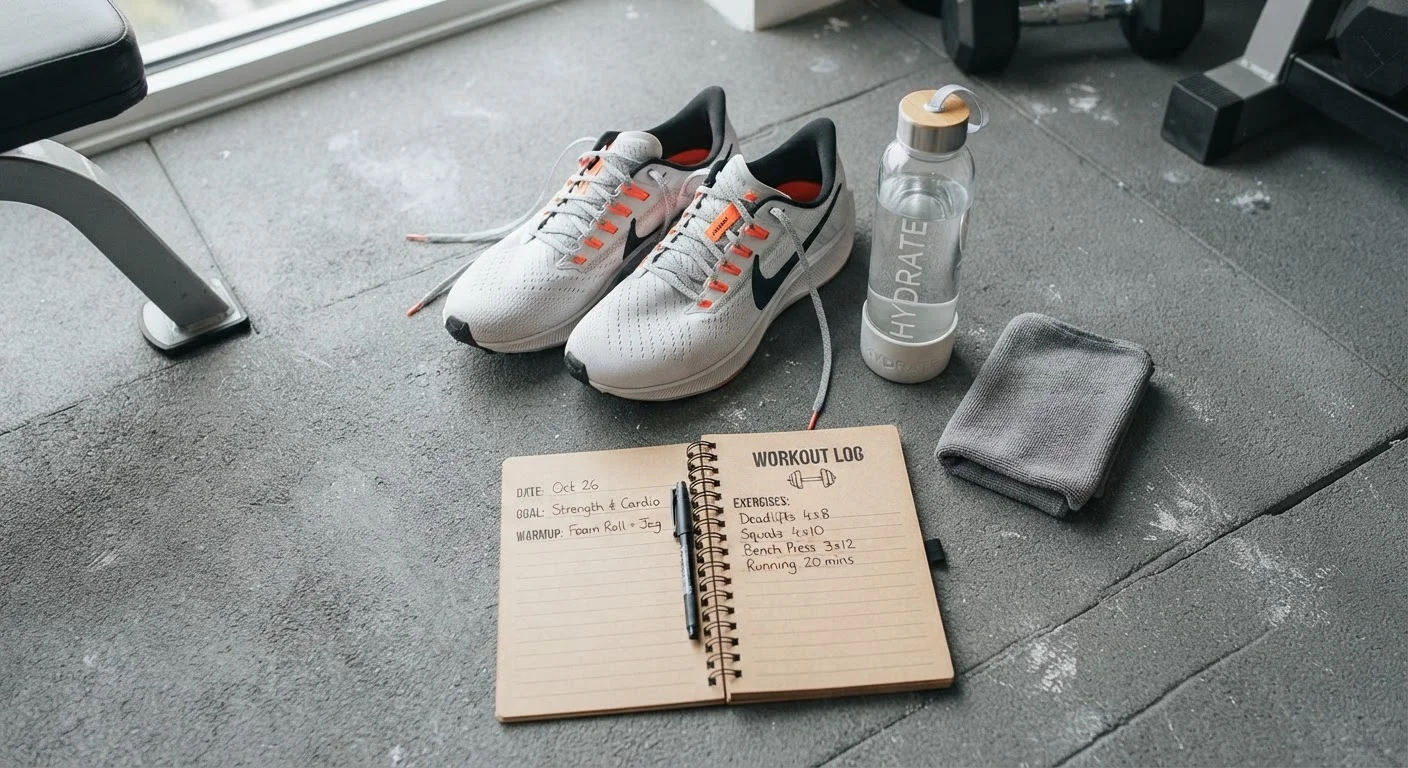
Photo: ShortwebArticles.com | Content For The Curious editorial
Key Takeaways
- Checking in with a healthcare provider before starting is especially important if you have existing health conditions.
- Setting specific, realistic goals from the start dramatically improves long-term adherence.
- Proper gear, a gradual progression plan, and built-in rest days reduce injury risk significantly.
- Understanding your current fitness baseline helps you choose an appropriate starting intensity.
- Recovery is a core part of any effective program — not an optional add-on.
Why a Pre-Start Checklist Matters
Starting a new exercise program is one of the most impactful decisions you can make for your long-term health. But enthusiasm in week one can quietly set the stage for injury, burnout, or abandonment by week three. A structured readiness check before your first session helps you begin with a plan that fits your actual life — not just the version of yourself you imagine when motivation is high.
This checklist is designed for adults at any fitness level: complete beginners, people returning after a break, and those switching to a new type of training. It is general health information and education, not a substitute for personalized medical advice. If you have a chronic condition, recent injury, or specific health concern, consult a qualified healthcare professional before beginning any new exercise program.
When to See a Doctor First
What You'll Need
Before working through the checklist, gather a few basic tools. None of these need to be expensive or high-tech — the goal is simply to have what you need to start safely and track your progress honestly.
Supportive, activity-appropriate footwear
Proper footwear reduces impact stress on joints and lowers the risk of common overuse injuries from the first session onward.
Water bottle
Staying adequately hydrated before, during, and after exercise supports performance and recovery.
Notebook or fitness journal
Tracking workouts, perceived effort, and how you feel helps you spot patterns, adjust intensity, and maintain motivation.
PAR-Q form
This standard self-screening questionnaire helps flag health concerns that should be reviewed by a provider before you begin.
Fitness tracker or heart rate monitor
Provides objective data on effort level and recovery, which is especially useful for beginners learning to gauge intensity.
Resistance bands or light weights
Versatile, low-cost tools for beginning strength work at home without requiring a gym membership.
The Safety and Readiness Checklist
Work through each group below before your first session. Items marked must are non-negotiable for a safe start. Should items are strongly recommended, and nice-to-have items will meaningfully support your consistency over time.
Medical Clearance
Baseline Assessment
Gear and Environment
Program Design
Warm-Up and Cool-Down
Mindset and Sustainability
Once you have a progression framework in place, it helps to understand the underlying principle. Progressive overload explains why gradual increases in challenge drive improvement — and why skipping steps is where many beginners go wrong.
Recovery planning deserves the same attention as the workouts themselves. Rest days are not optional — understanding how your body adapts during downtime can change how you structure your entire week.
A Note for Adults 50 and Older
The checklist above applies broadly, but some considerations shift meaningfully with age. Joint health, cardiovascular screening, and recovery timelines all warrant extra attention after 50. The good news: exercise remains one of the most evidence-supported ways to maintain strength, balance, and quality of life across the decades.
For a practical breakdown of how fitness goals and methods evolve with age, see Fitness at 50 and Beyond — a useful companion to this checklist if you're returning to exercise or starting for the first time later in life.
Pain Is Not a Good Starting Point
This article is for informational purposes only and does not constitute medical advice. Always consult a qualified healthcare professional before beginning a new exercise program, particularly if you have any existing health conditions or concerns.
The content on this site is for informational purposes only and is not a substitute for professional advice. Always consult a qualified professional for guidance specific to your situation.