
Why Your Muscles Are Sore Two Days After a Workout—Not One

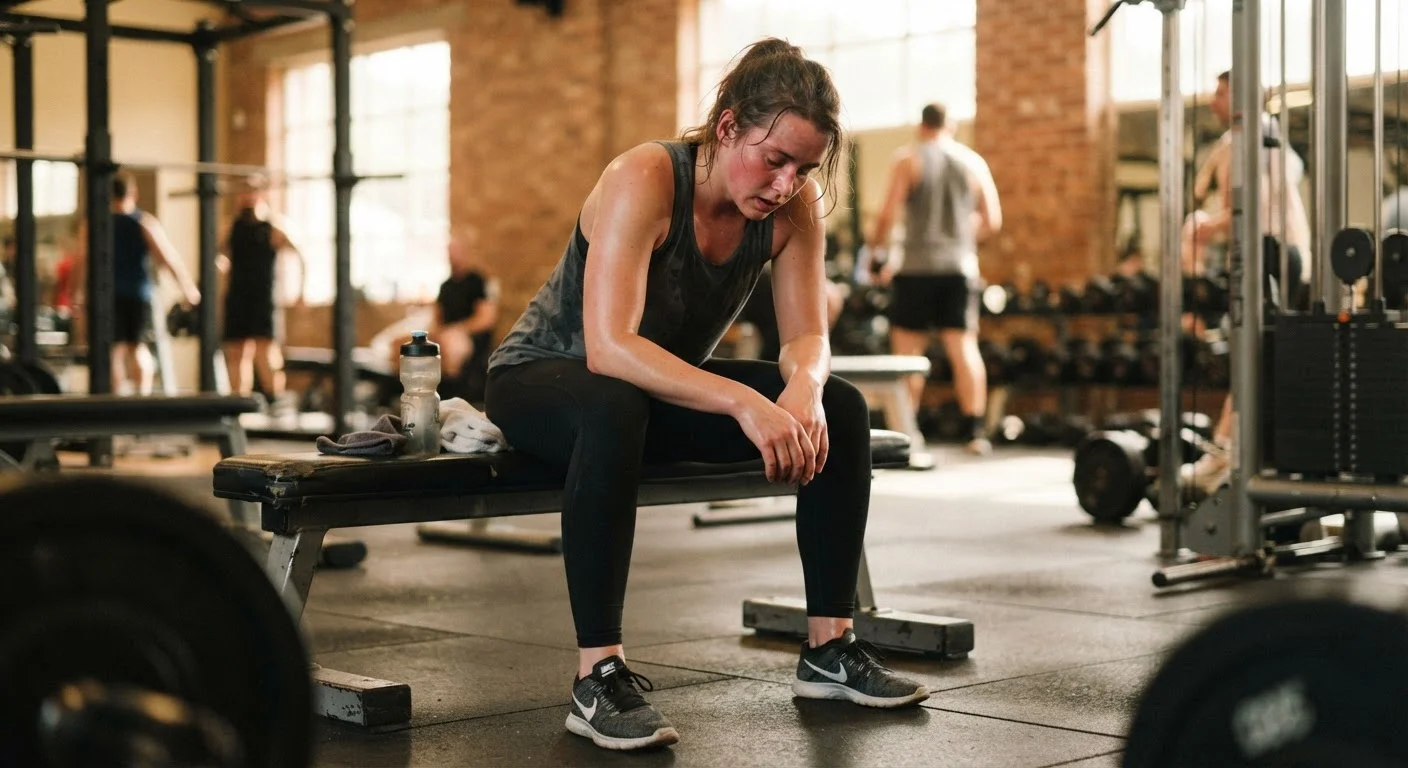
Photo: ShortwebArticles.com | Content For The Curious editorial
Key Takeaways
- DOMS typically peaks 24–48 hours after exercise, not immediately after.
- Eccentric movements — like lowering a weight or walking downhill — are the primary trigger.
- DOMS is a normal adaptation response, not evidence of injury or overtraining.
- Light movement, hydration, and sleep support recovery better than complete rest.
- The soreness diminishes with repeated training as muscles adapt over time.
The Science Behind the Delay
That familiar ache that sets in a day or two after a hard workout has a precise name: delayed onset muscle soreness, or DOMS. What puzzles most people is the timing — you feel fine leaving the gym, reasonably okay the next morning, and then nearly unable to walk down stairs on day two.
The explanation lies in how your body responds to unfamiliar physical stress. During exercise — especially movements that involve eccentric contractions (when a muscle lengthens under load, such as lowering a dumbbell or the downhill phase of a run) — microscopic tears form in the muscle fibers. These aren't dangerous injuries; they're a normal byproduct of challenging your muscles beyond what they're accustomed to.
The soreness delay occurs because pain doesn't come from the micro-tears themselves. It comes from the inflammatory repair process that follows. Your immune system dispatches specialized cells to the damaged tissue, fluid accumulates, and inflammatory chemicals accumulate in the surrounding area. This cascade takes time — typically 24 to 48 hours — which is exactly when the discomfort peaks.
24–48 hrs
Typical DOMS peak after exercise
Exercise science literature consistently places peak delayed onset muscle soreness between 24 and 48 hours post-activity.
3–5 days
Average DOMS resolution time
For most healthy adults, DOMS symptoms resolve within three to five days without specific medical treatment.
Eccentric
Contraction type most linked to DOMS
Research in sports medicine identifies eccentric muscle contractions as the primary driver of post-exercise muscle soreness.
Why Eccentric Exercise Is the Main Culprit
Not all types of muscle contractions cause equal soreness. Research consistently shows that eccentric movements — where the muscle generates force while lengthening — produce significantly more DOMS than concentric movements (where the muscle shortens, like the lifting phase of a biceps curl).
Common eccentric-heavy activities include:
- Walking or running downhill
- The lowering phase of squats, deadlifts, or any weight training
- Plyometric landings
- Yoga poses that hold muscles in a lengthened, loaded position
This is why new exercisers, or anyone returning after a break, often experience intense DOMS — their muscles haven't yet built the structural resilience to handle eccentric loads efficiently.
Ease Into New Movements Gradually
What Actually Helps Recovery
A number of popular DOMS remedies — from ice baths to compression gear — have mixed evidence behind them. Here's what the general science supports:
- Light movement
- Gentle activity increases blood flow to sore muscles, which may help clear inflammatory byproducts. A casual walk or easy swim often feels better than complete rest.
- Sleep
- Most muscle repair happens during sleep, when growth hormone release peaks. Prioritizing quality rest is one of the most evidence-backed recovery strategies available.
- Adequate protein
- Dietary protein provides the amino acids muscles need to rebuild. General guidance supports distributing protein intake across meals rather than concentrating it in one sitting.
- Hydration
- Muscles are largely water. Staying well-hydrated supports the cellular processes involved in tissue repair.
For a deeper look at structuring recovery into your weekly routine, see our guide to rest days and recovery.
DOMS vs. Acute Pain: Know the Difference
DOMS Gets Easier — Here's Why
One of the most reassuring aspects of DOMS is what's known as the repeated bout effect. After you perform a particular exercise and recover, your muscles adapt — reinforcing their structural integrity so the same activity causes far less damage and soreness the next time around.
This is why veteran exercisers rarely experience the crushing soreness that beginners do. It's also why gradually increasing training intensity (a principle called progressive overload) is smarter than jumping in at maximum effort. Sustainable progress comes from giving muscles the chance to adapt incrementally, not from treating every workout as a test of endurance.
If you experience soreness that is severe, localized to one side, accompanied by significant swelling, or that worsens rather than improves after 5 to 7 days, consult a healthcare professional — these may be signs of something beyond typical DOMS.
This article is for general informational purposes only and is not a substitute for professional medical advice. Always consult a qualified healthcare provider with any questions about your health or fitness routine.
Frequently Asked Questions
The content on this site is for informational purposes only and is not a substitute for professional advice. Always consult a qualified professional for guidance specific to your situation.