
Why Your Tomatoes Keep Cracking — and What's Actually Causing It

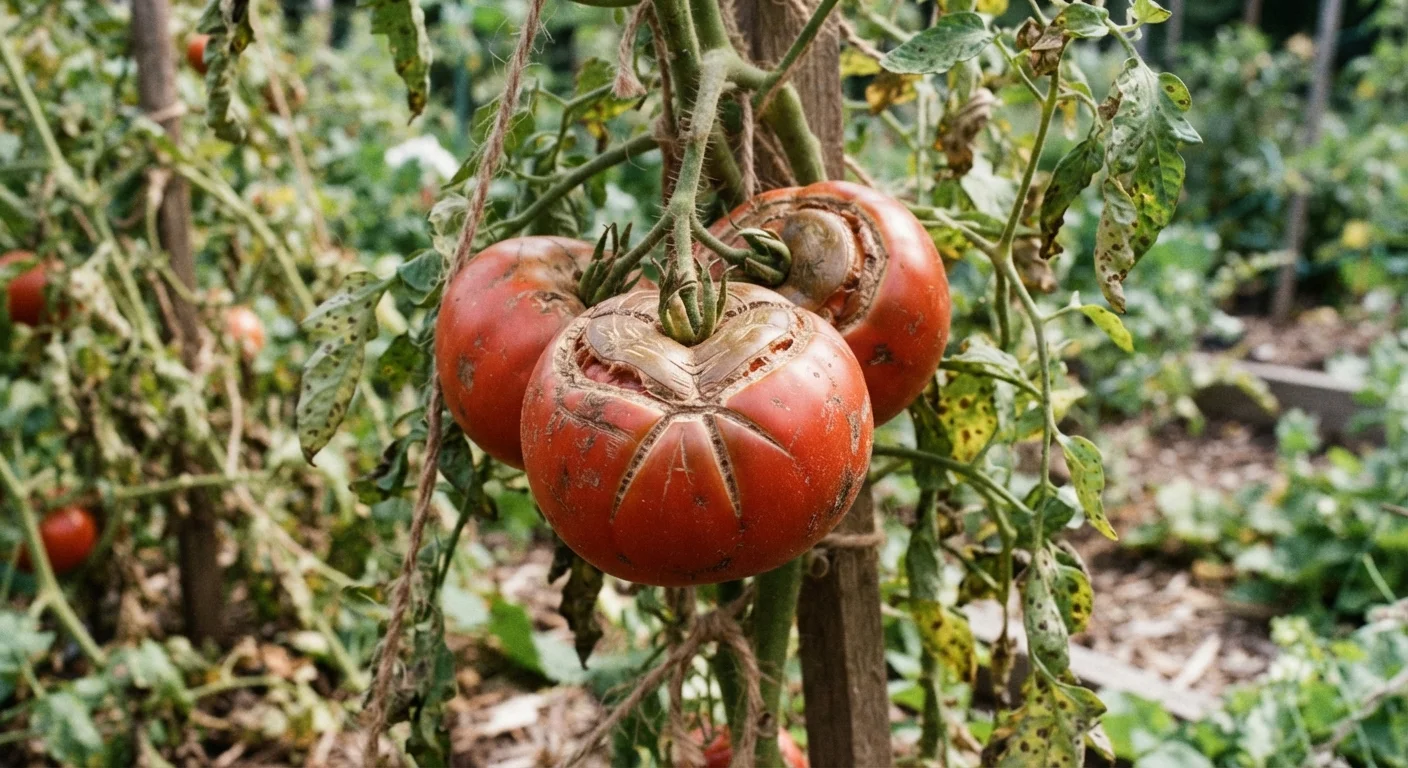
Photo: ShortwebArticles.com | Content For The Curious editorial
Key Takeaways
- Tomato cracking is almost always caused by sudden changes in soil moisture levels.
- Inconsistent watering is the leading trigger, especially after a dry spell followed by heavy rain.
- Mulching helps buffer soil moisture and is one of the most effective prevention tools.
- Some tomato varieties are naturally more resistant to cracking than others.
- Harvesting fruit slightly early can prevent cracking during peak ripening season.
Why Tomatoes Crack in the First Place
If you've ever walked out to your garden expecting a harvest and found your tomatoes split wide open, you're not alone. Cracking is one of the most common complaints among home gardeners, and the good news is it's rarely a sign of disease. In most cases, it comes down to how water moves in and out of the fruit.
Tomatoes crack when the fruit expands faster than the skin can stretch. This happens when the plant suddenly absorbs a large amount of water after a period of dryness. The internal pressure builds quickly, and the skin — which has toughened during the dry stretch — simply splits. There are two types of cracks: radial cracks, which run from the stem downward, and concentric cracks, which form rings around the shoulder of the fruit. Radial cracks tend to go deeper and are more likely to invite rot or insects.
Letting soil dry out completely between waterings.
Overwatering heavily after a prolonged dry period.
Skipping mulch or applying too thin a layer.
Leaving ripe tomatoes on the vine during wet weather.
Over-fertilizing with nitrogen mid-season.
How to Reduce Cracking Going Forward
Most cracking is preventable once you understand what drives it. The strategies below don't require expensive equipment — just consistent habits and a little planning before planting season.
~30%
Yield lost to cracking in some home gardens
University extension research has noted that inconsistent irrigation is cited as a primary factor in significant tomato crop losses among home gardeners.
3–4 inches
Recommended mulch depth for moisture retention
Horticultural guidance from cooperative extension programs consistently recommends this depth to meaningfully reduce soil moisture fluctuation.
Water Deeply and on a Schedule
Aim for slow, deep watering rather than frequent shallow sessions. A drip irrigation system or a soaker hose delivers water directly to the root zone at a controlled rate, which helps avoid the feast-or-famine cycle that triggers splitting. During hot, dry stretches, water at least once or twice per week depending on your soil type. Sandy soils drain faster and may need more frequent attention.
Mulch Heavily Around the Base
A 3- to 4-inch layer of organic mulch — straw, shredded leaves, or wood chips — acts as a buffer between your plants and the weather. It slows evaporation during dry spells and helps absorb excess moisture during heavy rains. Apply mulch after the soil has warmed in spring, keeping it a few inches away from the main stem to prevent rot.
Consider Crack-Resistant Varieties
If cracking is a persistent problem in your garden, look into varieties that are bred or known for thicker, more flexible skin. Paste-type tomatoes and certain heirloom cherry varieties tend to handle moisture fluctuations more gracefully. Ask at your local garden center or cooperative extension office what performs well in your regional climate.
Cracked Fruit Can Spoil Quickly
Harvest Before Full Ripeness When Needed
Tomatoes ripen well off the vine once they've reached the breaker stage — the point at which the color begins to change from green. If heavy rain is forecast and your fruit is nearly ripe, picking them early and letting them finish indoors can save the harvest. Store them at room temperature, not in the refrigerator, to preserve flavor and texture.
The content on this site is for informational purposes only and is not a substitute for professional advice. Always consult a qualified professional for guidance specific to your situation.