
Weatherstripping Types, Where They Go, and How Long They Last

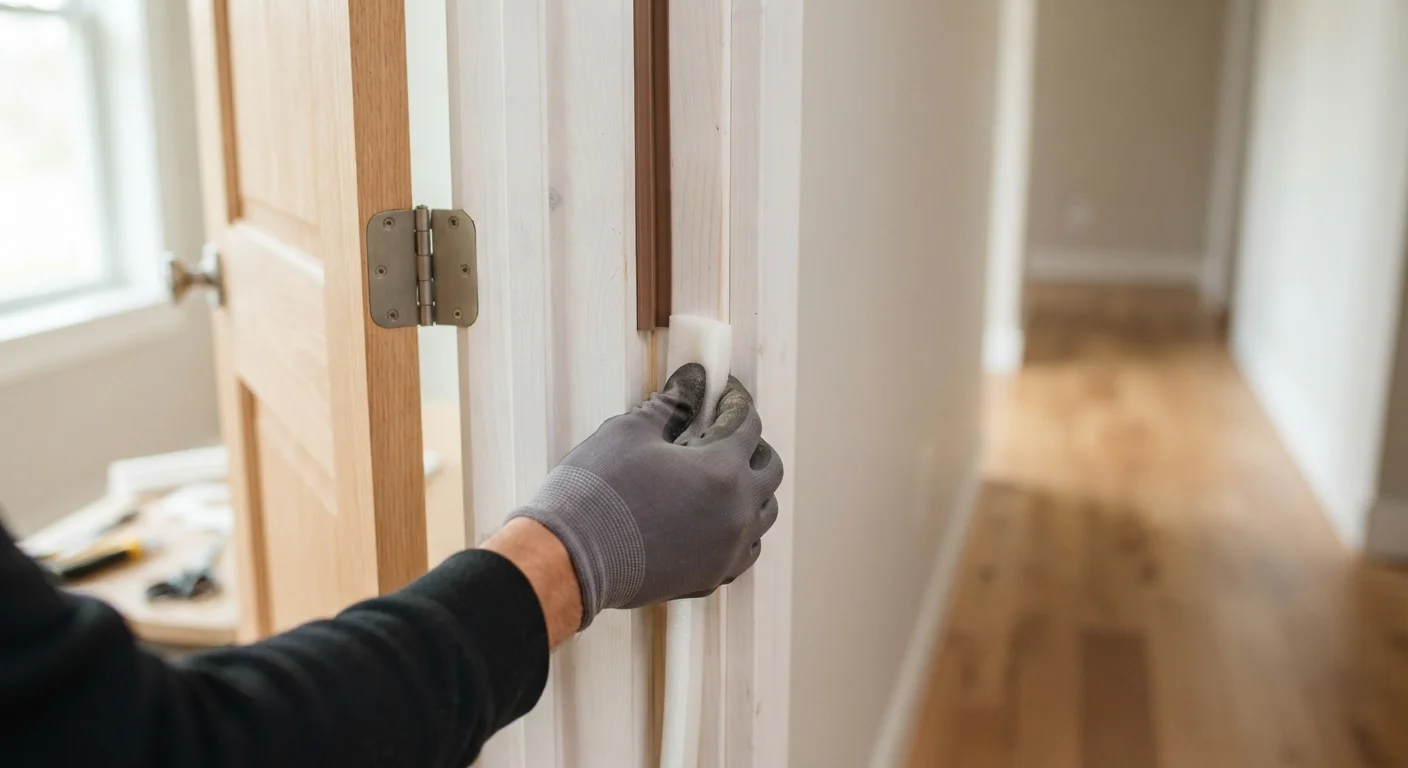
Photo: ShortwebArticles.com | Content For The Curious editorial
What Weatherstripping Does and Why It Matters
Weatherstripping is the material that seals the gaps around movable parts of your home's envelope — primarily doors and windows. When those seals wear out, conditioned air escapes and outdoor air intrudes, making your heating and cooling system work harder. Replacing worn weatherstripping is one of the more straightforward home maintenance tasks, but choosing the right type for each location makes a significant difference in performance.
| Most common door locations | Top, latch side, hinge side, and bottom |
| Most common window locations | Sash channels and meeting rails |
| Shortest-lived type | Adhesive foam tape (1–3 years) |
| Longest-lived type | Metal V-strip or magnetic seal (10+ years) |
| Typical DIY install time | 15–45 minutes per door |
| Best surface prep | Isopropyl alcohol wipe before adhesive types |
Before buying anything, close a door or window and slide a piece of paper through the frame at various points. If it moves freely, the seal in that area needs attention.
Common Weatherstripping Types and Where Each Belongs
Different gaps call for different materials. Here is a breakdown of the most widely used types:
- Foam tape (open- or closed-cell)
- Self-adhesive strips that compress when a door or window closes. Best suited for irregular gaps on window sashes, sliding windows, and the top or latch sides of doors. Closed-cell foam resists moisture better than open-cell. Lifespan: roughly 1–3 years under regular use.
- V-strip (tension seal)
- A folded strip of plastic or metal that springs open to fill a gap. Ideal for the sides of double-hung windows and the hinge side of doors, where the gap is narrow and consistent. More durable than foam — plastic versions last around 5 years, metal versions can last a decade or more.
- Door sweeps
- Attached to the bottom interior face of a door, a sweep blocks the gap between the door bottom and the threshold. Works on exterior doors with a flat threshold. Aluminum sweeps with a vinyl or rubber blade are common; lifespan is typically 3–5 years depending on foot traffic.
- Door shoes and automatic door bottoms
- More robust than sweeps, these attach to the door itself and press against the threshold when the door closes. Suited for high-traffic exterior doors. Lifespan: 5–10 years.
- Bulb or tubular gasket
- A soft rubber or vinyl tube attached to a mounting strip, designed to compress against the door stop. Works well on the top and sides of exterior door frames. Lifespan: 3–5 years.
- Magnetic weatherstripping
- Borrowed from refrigerator-door technology, this creates a firm seal and is most often found on metal doors. Replacement strips must match the original profile. Lifespan: 5–10 years.
Weatherstripping
Material applied around the movable parts of doors and windows to block the passage of air, water, dust, and insects through gaps in the frame.
Compression seal
A weatherstripping design that works by being squeezed between two surfaces when a door or window closes, forming a tight barrier.
V-strip (tension seal)
A folded strip of spring-metal or plastic that sits in a channel and expands to fill the gap as a door or window moves past it.
Door sweep
A strip mounted to the bottom of a door that drags or presses against the threshold to seal the gap at floor level.
Threshold
The strip along the floor at the base of a doorway. Many thresholds have a built-in seal and work in tandem with a door sweep or shoe.
Closed-cell foam
A type of foam in which the cells are sealed and do not absorb water, making it more moisture-resistant than open-cell foam for exterior applications.
Installation Tips and Lifespan Factors
Material lifespan estimates assume average residential use. Several factors accelerate wear:
- UV exposure — foam and vinyl degrade faster on south- and west-facing doors that receive direct sun.
- Door or window fit — a warped door that requires force to close will wear a sweep or gasket quickly; address the underlying fit issue first.
- Extreme temperature swings — repeated expansion and contraction stresses adhesive-backed products.
When installing adhesive types, clean the surface with isopropyl alcohol first and allow it to dry completely. Press firmly along the entire length and allow 30–60 minutes before putting the door or window back into use. For V-strip on double-hung windows, the strip runs in the channel so the open edge faces the outside when the window is closed.
When to Call a Professional
Check all weatherstripping at least once a year — a good time is just before heating season begins. Look for visible compression, cracking, peeling, or daylight visible around a closed door in a darkened room.
The content on this site is for informational purposes only and is not a substitute for professional advice. Always consult a qualified professional for guidance specific to your situation.