
What Every Clause in a Standard Lease Agreement Actually Means

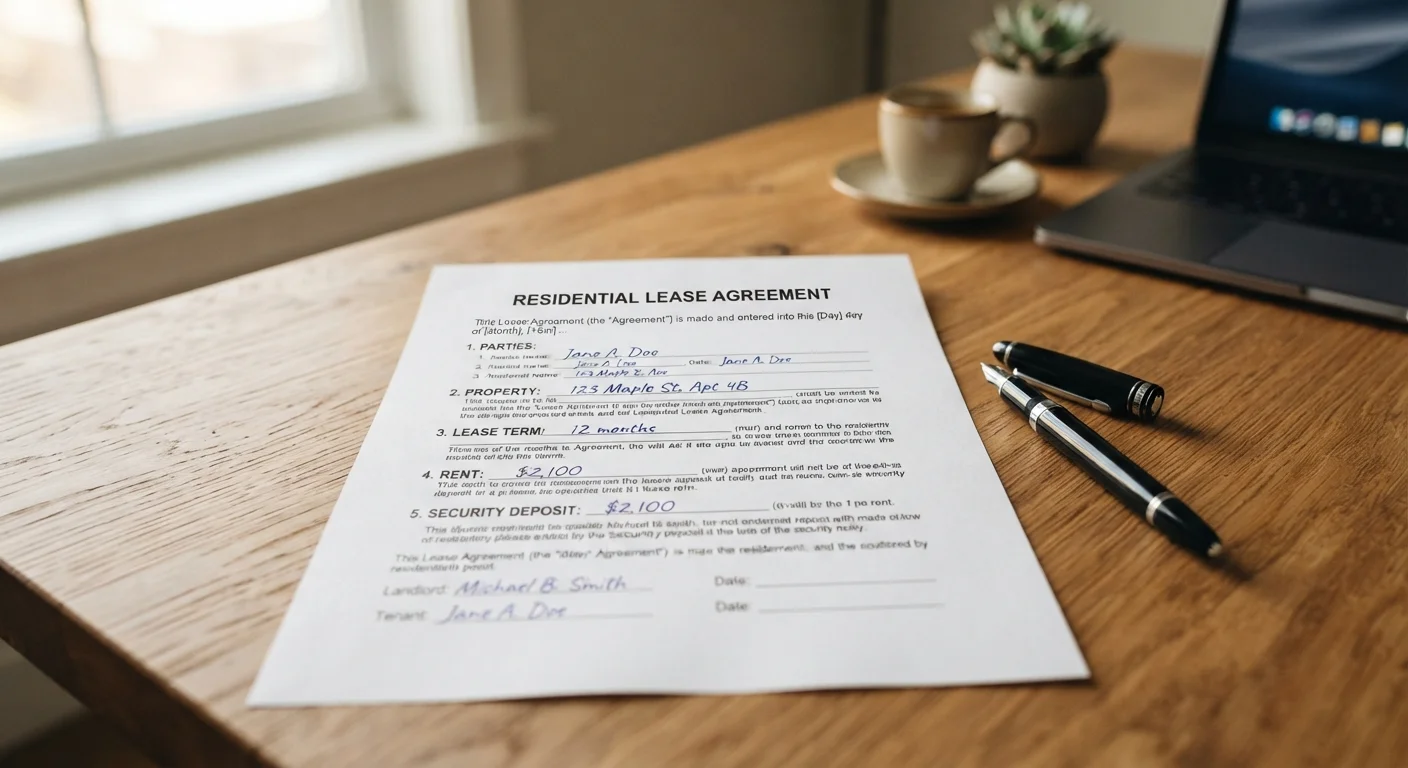
Photo: ShortwebArticles.com | Content For The Curious editorial
Key Takeaways
- Every clause in a lease is enforceable unless it violates state or local landlord-tenant law.
- Security deposit terms, maintenance responsibilities, and entry notice rules vary significantly by state.
- Early termination clauses define your financial exposure if you need to leave before the lease ends.
- Subletting and guest policies restrict who can live in or regularly occupy the unit.
- Renewal and rent increase clauses determine how your housing costs may change over time.
- Reading the full lease before signing — not just skimming it — is the most important step any renter can take.
The Rent and Payment Clause: More Than Just a Number
The payment clause defines your rent amount, due date, grace period (if any), and late fee structure. Most leases specify rent is due on the first of the month, with a grace period of three to five days before a late fee applies. That fee is usually a flat dollar amount or a percentage of monthly rent.
Look closely for any language about rent increases. Some leases include a built-in escalation clause permitting the landlord to raise rent at renewal by a set percentage. Others are silent on the issue, leaving increases subject to state or local rent control rules. Understanding this clause helps you anticipate your housing costs beyond the initial term. For a deeper look at how lease length affects your exposure to rent increases, see our comparison of month-to-month vs. annual leases.
~45%
Renters who never read their full lease
Consumer surveys consistently find that a large share of tenants sign leases without reading every clause, leaving them exposed to terms they did not anticipate.
14–30 days
Typical security deposit return window by state law
Most U.S. states legally require landlords to return security deposits and provide itemized deductions within this range after a tenant vacates.
24 hours
Standard advance notice required for landlord entry
The majority of U.S. states require landlords to provide at least 24 hours' written notice before entering a rental unit, except in declared emergencies.
Security Deposit Terms: What You're Putting at Risk
Security deposit clauses specify the deposit amount, permitted uses (unpaid rent, repairs beyond normal wear and tear), and the timeline for return after move-out. State law typically caps deposits — often at one to two months' rent — and mandates how and when landlords must return them.
The phrase "normal wear and tear" is critical here. It generally covers minor scuffs, carpet wear from regular use, and small nail holes — damage that occurs through ordinary living. Landlords cannot legally deduct these from your deposit. Large stains, broken fixtures, or unauthorized alterations are a different matter. Document the unit's condition thoroughly at move-in with dated photos to protect yourself at move-out.
Document Everything at Move-In
Maintenance, Repairs, and the Implied Warranty of Habitability
Nearly every standard lease distinguishes between landlord and tenant maintenance obligations. Landlords are typically responsible for structural integrity, heating systems, plumbing, and anything affecting habitability. Tenants are usually responsible for minor upkeep — replacing light bulbs, keeping the unit clean, and promptly reporting damage.
What the lease may not spell out explicitly is the implied warranty of habitability — a legal doctrine recognized in most states requiring landlords to maintain units in a livable condition regardless of what the lease says. If your landlord fails to make essential repairs, you may have legal remedies including rent withholding or repair-and-deduct options, depending on your state.
State Law Can Override Your Lease
Entry, Subletting, Guests, and Use Restrictions
The landlord entry clause defines when and how your landlord can enter the unit. Most states require advance written notice — commonly 24 hours — except in genuine emergencies. A lease cannot legally waive this right in most jurisdictions.
The subletting clause governs whether you can rent the unit to someone else, even temporarily. Many leases prohibit subletting outright or require written landlord approval. Violating this clause can be grounds for eviction, so understand it before listing your apartment anywhere.
Guest policies define how long a non-tenant can stay before the landlord considers them an unauthorized occupant. A common threshold is 14 consecutive days or more than a set number of nights per month. Use restrictions may also prohibit running a business from the unit or making alterations without approval.
Early Termination, Renewal, and What Happens at the End
The early termination clause is one of the most consequential provisions in any lease. It sets out the penalty — often one to two months' rent — for leaving before the term ends. Some clauses require advance notice in addition to the fee. Keep in mind that even with a buyout clause, some states require landlords to mitigate damages by actively trying to re-rent the unit, potentially reducing what you owe.
The renewal clause tells you whether the lease converts to month-to-month automatically at the end of the term, requires you to give written notice to vacate, or locks you into another fixed term unless you act. Missing a required notice deadline can obligate you to another full lease period.
If you have roommates, check for a joint and several liability clause — common in multi-tenant leases — which makes each tenant responsible for the full rent, not just their share. If you're new to renting and want a broader vocabulary reference, the First-Time Homebuyer Glossary also covers many foundational real estate terms that apply to renters.
This article is for general informational purposes only and does not constitute legal advice. Lease terms and landlord-tenant laws vary significantly by state and locality. Consult a qualified attorney or tenant rights organization for guidance specific to your situation.
Frequently Asked Questions
The content on this site is for informational purposes only and is not a substitute for professional advice. Always consult a qualified professional for guidance specific to your situation.