
International Travel Health Prep: What to Consider Before You Leave the US

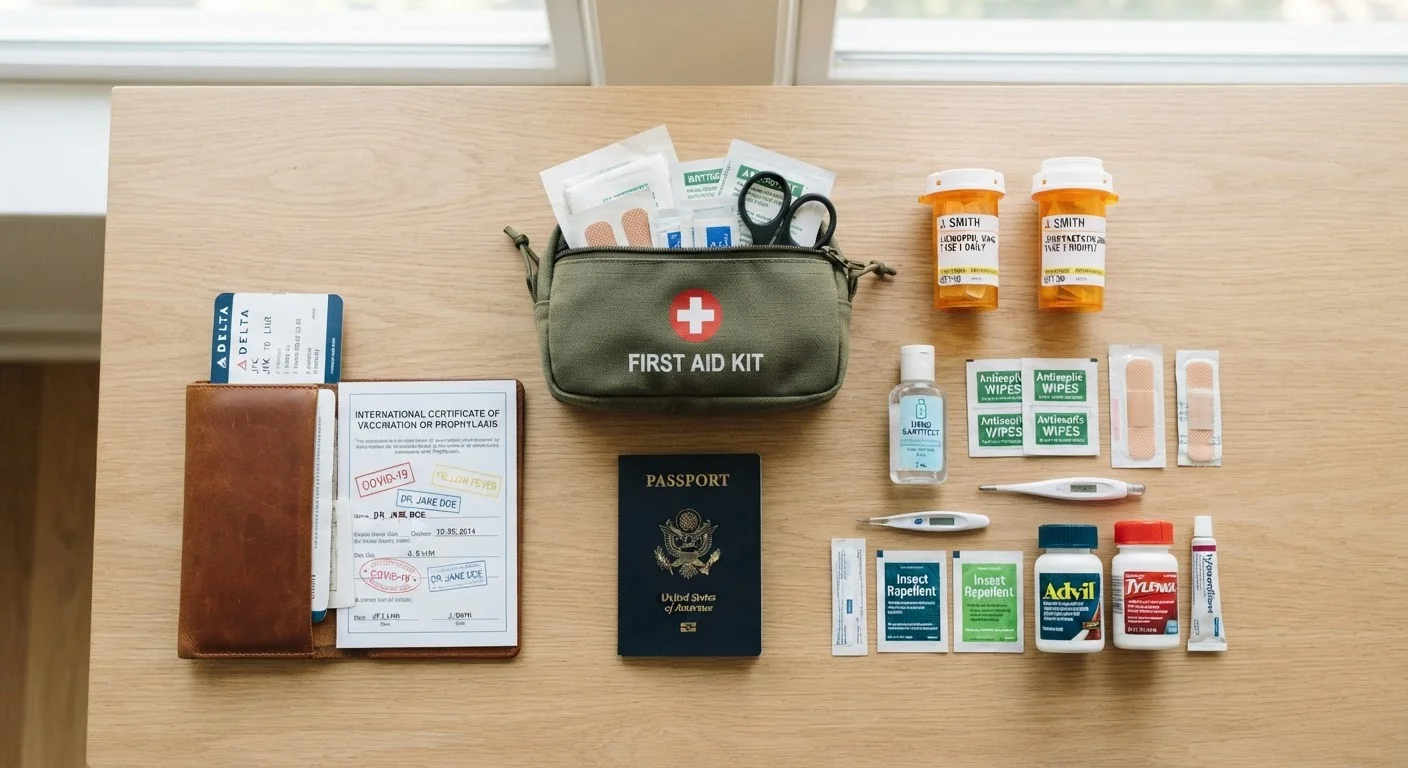
Photo: ShortwebArticles.com | Content For The Curious editorial
Key Takeaways
- Schedule a travel health consultation at least 4–6 weeks before departure to allow time for vaccines.
- Vaccination and documentation requirements vary significantly by destination — always verify with official sources.
- Carry copies of all prescriptions, including the generic drug name, in case you need a refill abroad.
- Most US domestic health insurance provides limited or no coverage internationally — review your plan before you go.
- The CDC and State Department are the most reliable free resources for destination-specific health guidance.
Why Travel Health Prep Deserves Its Own Checklist
Planning an international trip is exhilarating — but in the rush to book flights and build an itinerary, health preparation often gets pushed to the back burner. That's a mistake worth avoiding. The health requirements and risks for a trip to Western Europe look completely different from those for Southeast Asia, sub-Saharan Africa, or South America. What you need to do, and how early you need to do it, depends entirely on where you're going and what you'll be doing there.
This checklist gives you a clear, category-by-category framework so nothing critical slips through. Whether you're a first-timer or a seasoned traveler, running through these items before departure can make a real difference — not just for compliance with entry requirements, but for your actual wellbeing on the road. For a broader pre-trip overview, the before-you-board checklist covers health alongside documents, finances, and logistics in one place.
This Is General Information, Not Medical Advice
Your Tools for Getting It Right
You don't need to figure this out alone. These resources and contacts form the backbone of any solid travel health plan — and most of them are free to use.
CDC Travelers' Health Website (wwwnc.cdc.gov/travel)
Look up destination-specific vaccine recommendations, health notices, and disease risk information for your trip.
US State Department Travel Information (travel.state.gov)
Access travel advisories, safety alerts, and entry requirement details for your destination country.
Travel Medicine Clinic or Primary Care Provider
Receive personalized vaccination recommendations, prescriptions, and health guidance tailored to your itinerary.
STEP (Smart Traveler Enrollment Program)
Register your trip with the US Embassy so they can reach you in emergencies or natural disasters abroad.
Travel Insurance Policy
Provides coverage for medical emergencies, evacuation, and trip interruption when your domestic insurance falls short internationally.
The CDC and State Department sites are your two most reliable starting points. They're updated regularly and let you search by destination. Think of them as your pre-appointment homework before you see a travel medicine provider.
The Full Health Prep Checklist
Work through these groups in order — consultation first, then vaccinations, then medications, then documentation. Each category builds on the last, and earlier steps often inform what you'll need to address later.
Before the Trip: Health Consultation
Vaccinations and Immunizations
Prescriptions and Medications
Insurance and Emergency Documentation
Don't Leave Vaccinations to the Last Minute
Medication Rules Vary Widely by Country
Once you've worked through the health side of things, don't forget to loop in your financial and insurance picture. Understanding what your travel insurance actually covers — especially for medical emergencies — is just as critical as getting your shots. See what a travel insurance policy actually covers for a clear breakdown.
If this is your first time traveling internationally, what no one thinks to tell first-time international travelers is a great companion read once your health prep is squared away.
This article is for general informational and educational purposes only and is not medical advice. Consult a qualified healthcare provider or travel medicine specialist before making any health-related decisions for your trip.
The content on this site is for informational purposes only and is not a substitute for professional advice. Always consult a qualified professional for guidance specific to your situation.