
Jet Lag Is Not Just Tiredness: The Science Behind Time Zone Disruption

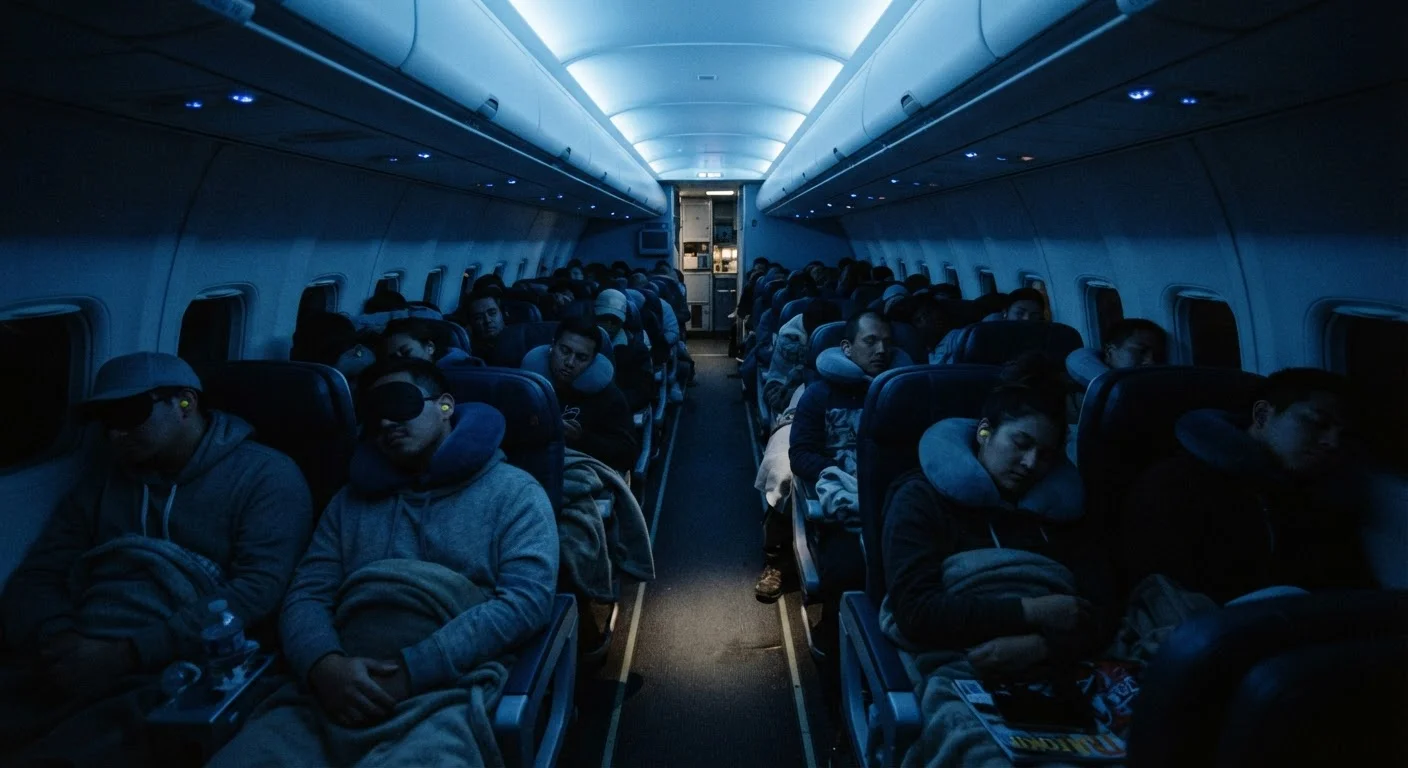
Photo: ShortwebArticles.com | Content For The Curious editorial
Key Takeaways
- Jet lag is a circadian rhythm disorder affecting sleep, digestion, cognition, and mood simultaneously.
- Eastward travel is generally harder on the body than westward travel for most people.
- Symptoms can persist for several days — roughly one day per time zone crossed is a common estimate.
- Light exposure is the most powerful environmental cue your body uses to reset its internal clock.
- Strategic planning before and during your flight can meaningfully reduce recovery time.
What Is Actually Happening Inside Your Body
Your body runs on an internal clock called the circadian rhythm — a roughly 24-hour biological cycle that governs when you feel sleepy, when you're hungry, when your core temperature peaks, and even when your gut is primed to digest food. This clock is set primarily by light: your eyes detect daylight, send signals to a tiny region of the brain called the suprachiasmatic nucleus, and that structure synchronizes the rest of your body's systems like a conductor leading an orchestra.
When you fly across multiple time zones in a matter of hours, your body hasn't moved its internal clock — it's still playing the wrong symphony. Sunlight in Tokyo might be telling your eyes it's morning, but your biological systems are convinced it's 2 a.m. back in Chicago. The result isn't just sleepiness. It's a full-body mismatch: your digestive system isn't ready to handle a meal, your stress hormones are peaking at the wrong time, your immune function is temporarily suppressed, and your brain is struggling to consolidate memories and focus clearly.
Jet Lag vs. Travel Fatigue: Not the Same Thing
Why Direction of Travel Changes Everything
Not all jet lag is created equal, and the direction you fly matters more than most travelers realize. Westward travel — say, flying from New York to Los Angeles or across the Pacific toward Asia — generally asks your body to delay its clock, staying up later and sleeping in. The human circadian rhythm naturally drifts slightly longer than 24 hours, so delaying sleep comes more naturally to most people.
Eastward travel is the tougher assignment. Flying from the U.S. to Europe requires your body to advance its clock — going to bed and waking up earlier than it wants to. That biological resistance is why many Americans who've had an easy time adjusting to Hawaii or Japan find Paris or Rome genuinely rough for the first few days.
The number of time zones crossed also stacks up. A five-zone crossing takes longer to recover from than a two-zone hop. If you're weighing a direct long-haul flight against a route with layovers, it's worth understanding the trade-offs — see our guide to long-haul vs. multi-stop itineraries for how to think through that decision.
~1 day
Recovery time per time zone crossed
A commonly cited clinical estimate from sleep medicine; individual recovery times vary based on age, health, and travel direction.
Eastward
Direction most travelers find harder to adjust to
Sleep researchers consistently find eastward travel produces more severe and longer-lasting circadian disruption than westward travel of equivalent distance.
3+ zones
Time zones crossed before significant jet lag sets in
Most sleep medicine guidelines identify three or more time zone crossings as the threshold for clinically meaningful circadian disruption.
The Symptoms Most Travelers Don't Expect
Fatigue is the headline symptom, but jet lag reaches into nearly every system in your body. Here's what travelers often don't anticipate:
- Digestive disruption: Your gut has its own circadian rhythm — it expects meals and bowel movements at specific times. Crossing time zones can trigger constipation, diarrhea, bloating, or a simply absent appetite, sometimes for days.
- Cognitive fog: Reaction time, short-term memory, and decision-making all take measurable hits. Studies in occupational health have documented reduced performance in shift workers and frequent flyers — the underlying biology is the same.
- Mood shifts: Irritability and mild low mood are common. Sleep disruption and circadian misalignment both affect neurotransmitter regulation. This isn't trivial: disrupted sleep and mental health affect each other in a two-way cycle worth understanding, and our coverage of sleep and mental health explains that relationship in depth.
- Immune dip: Research suggests that circadian disruption can temporarily reduce immune efficiency — one reason some travelers come down with colds shortly after major international trips.
Time Your Light Exposure Strategically
Practical Ways to Help Your Body Adjust
There's no instant fix for jet lag, but evidence-backed strategies can meaningfully reduce recovery time:
- Light is your most powerful tool. Seek bright natural light at your destination during morning hours when flying east, and in the afternoon when flying west. Avoid bright light at the wrong times — it can push your clock in the wrong direction.
- Start shifting before you leave. Gradually adjusting your bedtime by 30–60 minutes in the days before departure can give your circadian rhythm a head start in the right direction.
- Stay hydrated and limit alcohol. Cabin air is extremely dry, and alcohol disrupts sleep architecture — both worsen jet lag symptoms even if they feel temporarily soothing.
- Eat on the destination's schedule. Meal timing is a secondary circadian cue. Eating breakfast at local breakfast time, even if you're not hungry, helps anchor your digestive clock to the new time zone.
- Resist the nap trap on arrival day. Especially when flying east, pushing through to local bedtime — even if exhausted — gives your body the strongest possible reset signal.
This article is for general informational and educational purposes only. It is not medical advice. Consult a qualified healthcare professional before making decisions about sleep aids, supplements, or managing any health condition related to travel.
Frequently Asked Questions
The content on this site is for informational purposes only and is not a substitute for professional advice. Always consult a qualified professional for guidance specific to your situation.