
What Travel Confirmation Numbers, Reference Codes, and E-Tickets Actually Mean

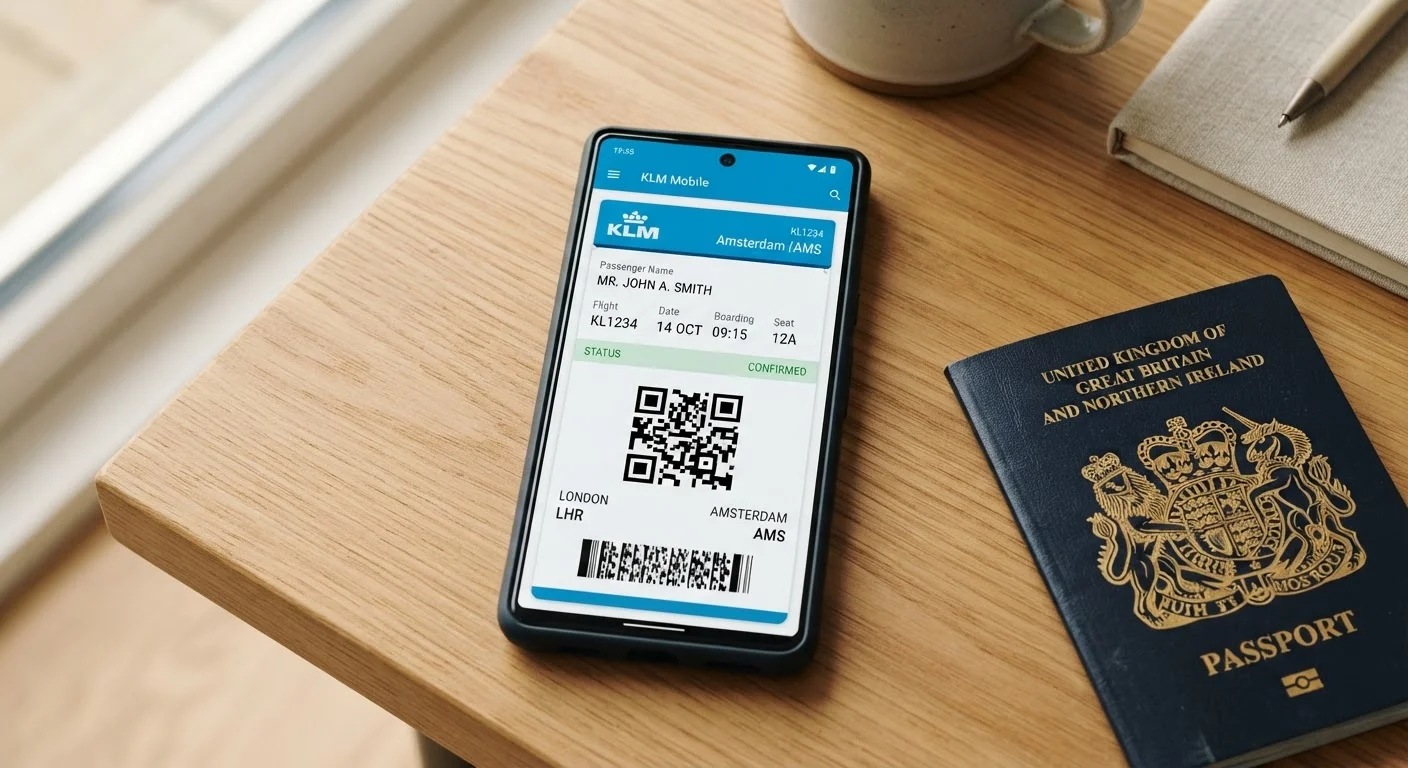
Photo: ShortwebArticles.com | Content For The Curious editorial
The Alphabet Soup of Travel Documents
You've booked a flight, and within minutes your inbox fills up with confirmation emails packed with strings of letters and numbers — a PNR here, an e-ticket number there, a booking reference that looks nothing like the airline's own code. It's confusing, and that confusion can cause real stress when you're standing at a check-in counter wondering which number the agent actually needs.
The good news: there are really only a handful of document types to know, and each one does a specific job. Once you understand what each one represents, navigating airports, train stations, and hotel front desks gets considerably easier.
| PNR Code Length | 6 alphanumeric characters (Standard across major global distribution systems) |
| E-Ticket Number Length | 13 digits (International Air Transport Association (IATA) standard) |
| When Boarding Pass Is Generated | At check-in, typically 24 hours before departure (Varies by airline and route) |
| Third-Party Booking PNRs | May issue 2 separate codes (platform + airline) (Common with OTAs and travel agencies) |
| Boarding Pass Formats Accepted | Mobile or printed (varies by airport and country) (Always verify for international destinations) |
PNR Codes: The Global Reservation Record
A PNR — short for Passenger Name Record — is a six-character alphanumeric code (for example, XJ4K2M) that identifies your reservation inside an airline's global distribution system. Think of it as a file folder: it holds your name, itinerary, seat preferences, contact details, and any special service requests all in one place.
Here's the catch: if you booked through a third-party site, you may receive two PNR codes — one from the booking platform and one from the airline itself. The airline's own code is the one agents will look up at the airport. It's always worth logging into the airline's website directly with your booking details to confirm you can see your reservation and that seats have actually been assigned.
PNR (Passenger Name Record)
A six-character code used by airlines and global distribution systems to store a traveler's complete reservation details, including itinerary, seat assignments, and contact information.
E-Ticket Number
A 13-digit number that serves as legal proof a flight ticket was purchased and issued. It's tied to international aviation standards and can help agents reissue documents if problems arise.
Booking Reference
An internal confirmation code issued by a hotel, rental company, or tour operator to identify your reservation in their own system. It is not a universal standard like a PNR.
Codeshare Flight
A flight operated by one airline but sold under the flight number of a partner airline. Passengers on codeshare routes may receive separate PNR codes from each carrier.
Boarding Pass
A document generated at check-in that authorizes a specific passenger to pass through security and board a specific flight. It is distinct from a ticket or booking confirmation.
Global Distribution System (GDS)
A network platform (such as Sabre or Amadeus) used by airlines, hotels, and travel agents to store, access, and transact travel reservations worldwide.
When a trip involves a codeshare — where one airline sells seats on another carrier's flight — each airline may have a separate PNR for the same physical seat. Keeping both on hand avoids confusion at connecting airports.
E-Ticket Numbers: Your Legal Proof of Purchase
While a PNR is a reservation record, an e-ticket number is your proof that payment was actually received and a seat was formally issued. It's typically a 13-digit number starting with a three-digit airline code (for example, United's is 016). Airlines are required by international aviation standards to issue these, so every legitimate flight booking should have one.
Why does it matter? If an airline has a system failure, a merger, or a schedule disruption, your e-ticket number is what allows agents — even at a different airline — to verify your travel entitlement and reissue documents. Store it somewhere separate from your confirmation email, such as a screenshot in your phone's photo roll or a printed copy in your carry-on.
13 digits
Standard length of an airline e-ticket number
Defined by IATA standards, the first three digits identify the issuing airline.
2 PNR codes
Possible codes on a single codeshare booking
One from the operating carrier and one from the marketing carrier — both may be needed at the airport.
For rail travel, similar numbered tickets serve the same function, though the terminology varies by carrier and country.
Booking References, Voucher Codes, and Hotel Confirmations
Hotels, car rentals, and tour operators each issue their own confirmation numbers — these are internal reference codes tied to their property management or reservation systems, not to any global standard. They typically look like a mix of letters and numbers and are shorter than airline codes.
When you arrive at a hotel, the front desk agent pulls up your reservation using this number plus your last name. If the property has changed hands, switched software systems, or if you booked through a third party, there's a chance the code doesn't pull up cleanly. That's why it helps to also carry the name of the booking platform and the date the reservation was made — agents can often search by those fields as a backup.
Before any trip, it's smart to run through your full list of confirmation codes as part of a planning checklist. Our pre-trip planning checklist walks through how to organize these documents alongside passports, visas, and other essentials so nothing slips through the cracks.
When Third-Party Codes Don't Match
Boarding Passes: The Final Step Before the Gate
A boarding pass is not the same as a confirmation or e-ticket — it's a time-sensitive document generated at check-in (online or at the airport) that authorizes you to pass through security and board a specific flight. It contains your name, flight number, departure gate, seat assignment, and a barcode or QR code that security scanners read.
Mobile boarding passes are widely accepted at U.S. airports, but some international destinations still require a printed version — always verify requirements before traveling internationally. If your phone dies or loses signal, a printed backup can be a genuine lifesaver. For more on entry-related document requirements abroad, see our guide to visa and entry rules.
One final note: if your plans change after booking, understanding your documents helps you know exactly what to reference when calling an airline or requesting a refund. If you also carry travel insurance, your e-ticket number and booking reference are both typically required when filing a claim — something our travel insurance overview covers in more detail.
The content on this site is for informational purposes only and is not a substitute for professional advice. Always consult a qualified professional for guidance specific to your situation.