
Car Ownership Myths That Trip Up First-Time Buyers

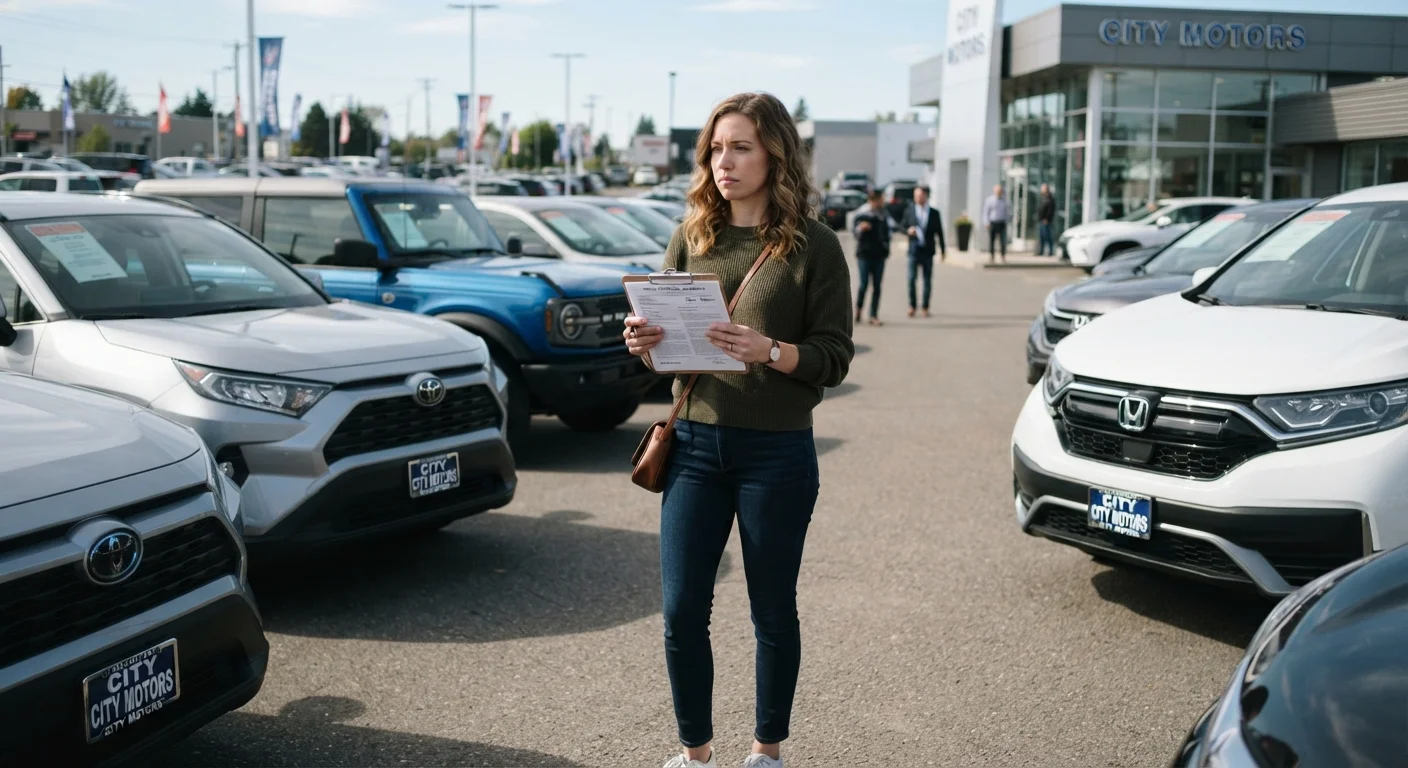
Photo: ShortwebArticles.com | Content For The Curious editorial
Key Takeaways
- New cars do not always cost more to insure than used ones — it depends on many factors.
- Dealer financing is not automatically the worst option, but comparing lenders is essential.
- Minimum liability insurance leaves significant financial gaps most drivers underestimate.
- A car's sticker price is just one part of what ownership actually costs you each year.
- Skipping scheduled maintenance does not save money — it typically creates larger repair bills.
Why First-Time Buyers Are Especially Vulnerable to Car Myths
Buying your first car involves a lot of moving parts — financing, insurance, ongoing costs, and maintenance schedules — all at once. That complexity creates fertile ground for misconceptions to take hold. Some myths get passed down from well-meaning family members whose experience is decades out of date. Others persist because they contain a grain of truth that gets overgeneralized. A few are simply the result of marketers or salespeople shaping the narrative to their advantage.
The consequences aren't trivial. Acting on bad information can mean overpaying for a loan, carrying inadequate insurance coverage, or neglecting maintenance until a minor issue becomes a major repair. First-time buyers who walk in prepared tend to make noticeably better decisions — not because they know everything, but because they've identified the questions worth asking.
Misconceptions about car ownership aren't unique to this category. Similar patterns show up across major financial decisions — from homebuying myths first-timers tend to believe to investing myths that keep people on the sidelines. The antidote in each case is the same: replace assumptions with specifics.
Myth
New cars are always more expensive to insure than used ones.
Fact
Insurance premiums depend on the specific vehicle, your driving history, location, and coverage choices — not simply whether the car is new or used.
Many first-time buyers assume that buying used automatically means lower insurance costs. In reality, some older vehicles — particularly those with high theft rates, expensive parts, or poor safety ratings — can cost more to insure than a comparable new model with advanced safety features. Insurers weigh dozens of variables. A new car with strong crash-test scores and anti-theft technology may actually carry a lower comprehensive or collision premium than an older vehicle without those features. Always get actual insurance quotes for any specific vehicle before purchase. Understanding how auto insurance coverage works can help you compare apples to apples.
Myth
Dealer financing is always the worst deal in the room.
Fact
Dealer financing can be competitive, especially during manufacturer-backed promotions, but comparing it against your own bank or credit union is essential.
The advice to avoid dealer financing isn't universally wrong — dealers do sometimes mark up loan rates for profit — but dismissing it entirely can cause buyers to miss genuinely low promotional rates. Automakers periodically offer subsidized financing through their captive lenders that third-party banks cannot match. The key habit is to secure a pre-approval from your bank or credit union before stepping into a dealership. That gives you a concrete benchmark. If the dealer's offer beats it, you can take it with confidence. If it doesn't, you have a better option ready.
Myth
Once you drive off the lot, the purchase price is your biggest ongoing cost.
Fact
Depreciation, fuel, insurance, and maintenance typically add thousands of dollars per year beyond the purchase price.
The sticker price is what gets the most attention, but ongoing ownership costs often dwarf it over time. According to estimates from AAA, the average American driver spends well over $10,000 per year when all costs are factored in — including depreciation, fuel, insurance, maintenance, and financing. The true cost of owning a car in America breaks down exactly where that money goes. Depreciation alone — the loss in vehicle value over time — is often the single largest expense. Vehicle depreciation explained is a useful primer on how quickly that value can drop.
Myth
Skipping oil changes and minor maintenance saves money in the short term.
Fact
Deferred maintenance consistently leads to larger, more expensive repairs — it does not save money over any meaningful timeframe.
Oil lubricates and cools engine components. When it degrades past its service interval, friction and heat increase, accelerating wear on parts that are expensive to replace. Skipping a $60–$100 oil change can contribute to engine damage that costs several thousand dollars to fix. The same logic applies to air filters, brake fluid, and coolant flushes — small services that protect much larger systems. For a clear-eyed look at which maintenance beliefs actually hold up, see car maintenance myths that keep costing drivers money. General upkeep guidance is also covered in the car maintenance hub.
Myth
Red cars cost more to insure because they get more speeding tickets.
Fact
Insurers do not factor vehicle color into premium calculations — your driving record and the car's make, model, and safety profile are what matter.
This myth has circulated for decades, but no major U.S. insurer uses vehicle color as a rating variable. What actually influences your premium includes your driving history, annual mileage, ZIP code, the vehicle's safety ratings, its repair costs, and its theft frequency data. If you've received speeding tickets, those will affect your rate — but the color of your car has nothing to do with it. When comparing vehicles, focus on factors that actually move the needle: safety ratings, anti-theft features, and repair cost data.
Myth
You must put 20% down to get a reasonable car loan.
Fact
While a larger down payment reduces your loan balance and monthly payment, many buyers secure financing with significantly less — though trade-offs exist.
Unlike home mortgages, auto loans don't come with a standard down payment threshold. Lenders vary widely, and many offer financing with 10% down or even less. That said, putting less down means a larger loan balance, more interest paid over time, and a higher risk of being "underwater" — owing more than the car is worth — especially in the first few years when depreciation is steepest. A down payment of 10–20% is a reasonable target for most buyers, but the right amount depends on your loan terms, the vehicle's expected depreciation rate, and your financial situation. This is general information; consult a financial professional for advice tailored to your circumstances.
What These Myths Actually Cost You
Individually, any one of these misconceptions might result in a manageable mistake. Together, they can compound into a pattern of decisions that costs a first-time buyer significantly over the life of a vehicle. Choosing the wrong insurance coverage leaves you exposed in an accident. Skipping maintenance accelerates wear. Misjudging the full cost of ownership can stretch a budget past its breaking point.
Minimum Coverage Can Leave You Exposed
New drivers face a related set of challenges on the road itself. Understanding situations where new drivers most commonly make costly errors is a useful companion to the financial side of ownership. Getting both right — the practical and the fiscal — puts first-time owners in a much stronger position from day one.
This article is for general informational purposes only and does not constitute financial, legal, or insurance advice. Consult a qualified professional for guidance specific to your situation.
The content on this site is for informational purposes only and is not a substitute for professional advice. Always consult a qualified professional for guidance specific to your situation.