
Situations Where New Drivers Most Commonly Make Costly Errors

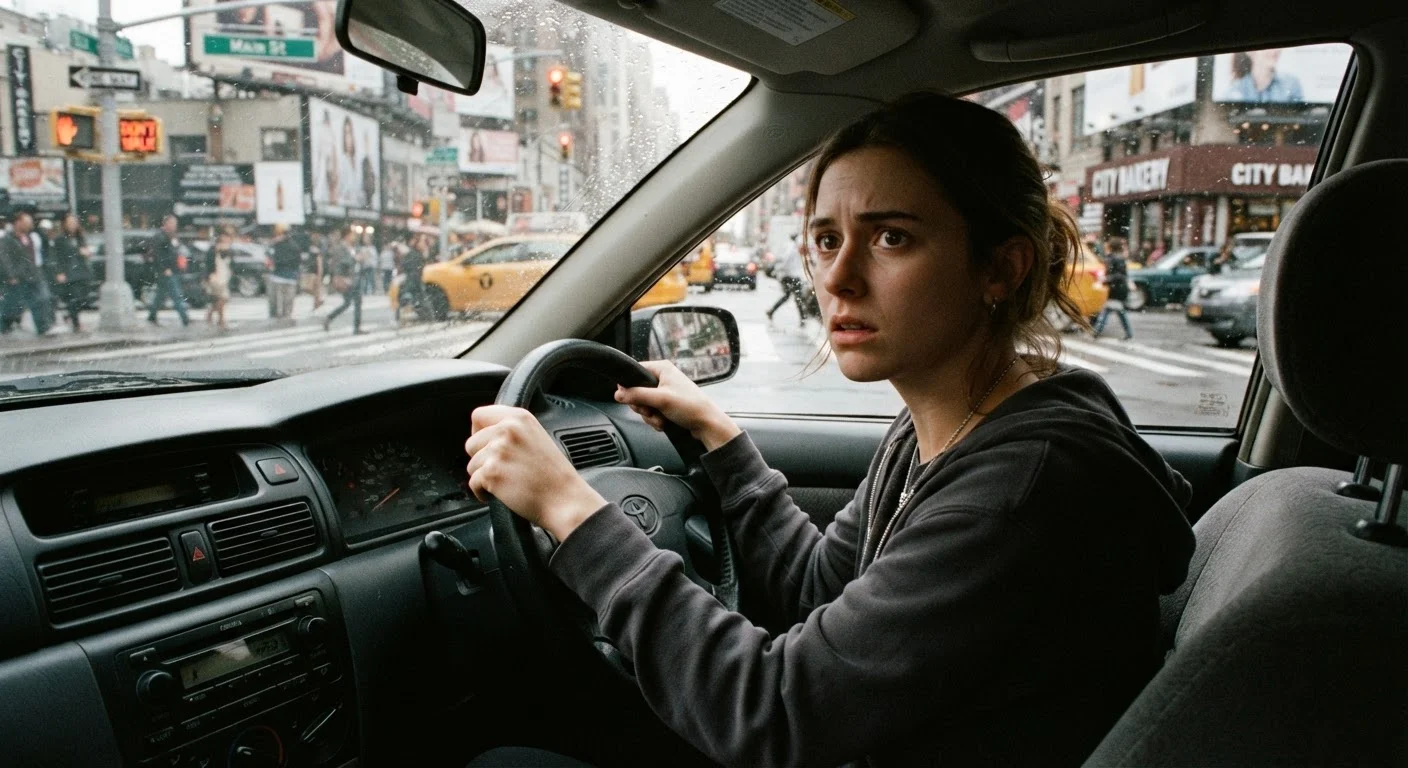
Photo: ShortwebArticles.com | Content For The Curious editorial
Key Takeaways
- Most new-driver errors cluster around predictable situations like lane changes, merges, and parking lots.
- Understanding why mistakes happen is the first step toward building safer habits.
- Speed management and mirror use are the two skills most frequently underdeveloped in new drivers.
- Highway entry ramps and intersections carry disproportionate crash risk for inexperienced drivers.
Why New Drivers Crash in Predictable Places
New drivers don't crash randomly. Crash data and driving research consistently show that errors cluster around specific, repeatable situations — lane changes, highway merges, parking lots, and intersections. These aren't flukes. They're places where the gap between a new driver's skill level and the complexity of the environment is widest.
The good news is that predictable mistakes are preventable ones. Understanding why errors happen in these situations gives you a concrete target to work on, rather than vague advice to simply "be more careful." Before you start logging miles solo, it's also worth setting realistic expectations about the full cost of ownership — see how common ownership myths can affect first-time drivers financially.
Crashes Are Highest in the First Year
The Situations That Catch New Drivers Off Guard
Each of the mistakes below corresponds to a real environment where new drivers are statistically more likely to be involved in a collision. Work through them honestly — recognizing your own weak spots is the foundation of becoming a safer driver.
Changing lanes without checking blind spots, relying solely on mirrors.
Failing to match highway speed on the entry ramp before merging.
Stopping or hesitating unpredictably in parking lots, ignoring pedestrian flow.
Underestimating following distance, especially at highway speeds.
Proceeding through intersections without a confirming second look.
Over-correcting during a skid or unexpected vehicle movement.
Highway driving deserves special attention because the speed differential magnifies every error. If you haven't yet thought through how city and highway driving differ as experiences, understanding those differences is a useful next step.
Merging Too Slowly Is a Real Danger
Building Habits That Stick
Knowing what mistakes to avoid only helps if you turn that knowledge into consistent behavior. The drivers who improve fastest are those who treat every familiar route as an opportunity to practice specific skills deliberately — not just get from point A to point B.
~50%
Teen driver crash risk reduction with practice
The AAA Foundation for Traffic Safety notes that graduated licensing programs, which require supervised driving hours, are associated with substantially lower crash rates among new drivers.
3 sec
Minimum recommended following distance
Safety organizations broadly recommend a minimum three-second following gap in normal conditions, extending to four or more seconds in rain, fog, or heavy traffic.
Focus on one weak area per week. If blind-spot checks feel unnatural, make that your only drill for seven days until the head-turn becomes automatic. If following distance is your gap, pick a landmark every time you merge and count. Incremental, focused repetition outperforms general caution every time.
For ongoing skill development, intersection safety habits offer a concrete framework that applies well beyond intersections — the mindset of scanning before committing transfers to nearly every high-risk driving situation covered here.
The content on this site is for informational purposes only and is not a substitute for professional advice. Always consult a qualified professional for guidance specific to your situation.