
Fixed vs. Variable Expenses: Understanding the Difference

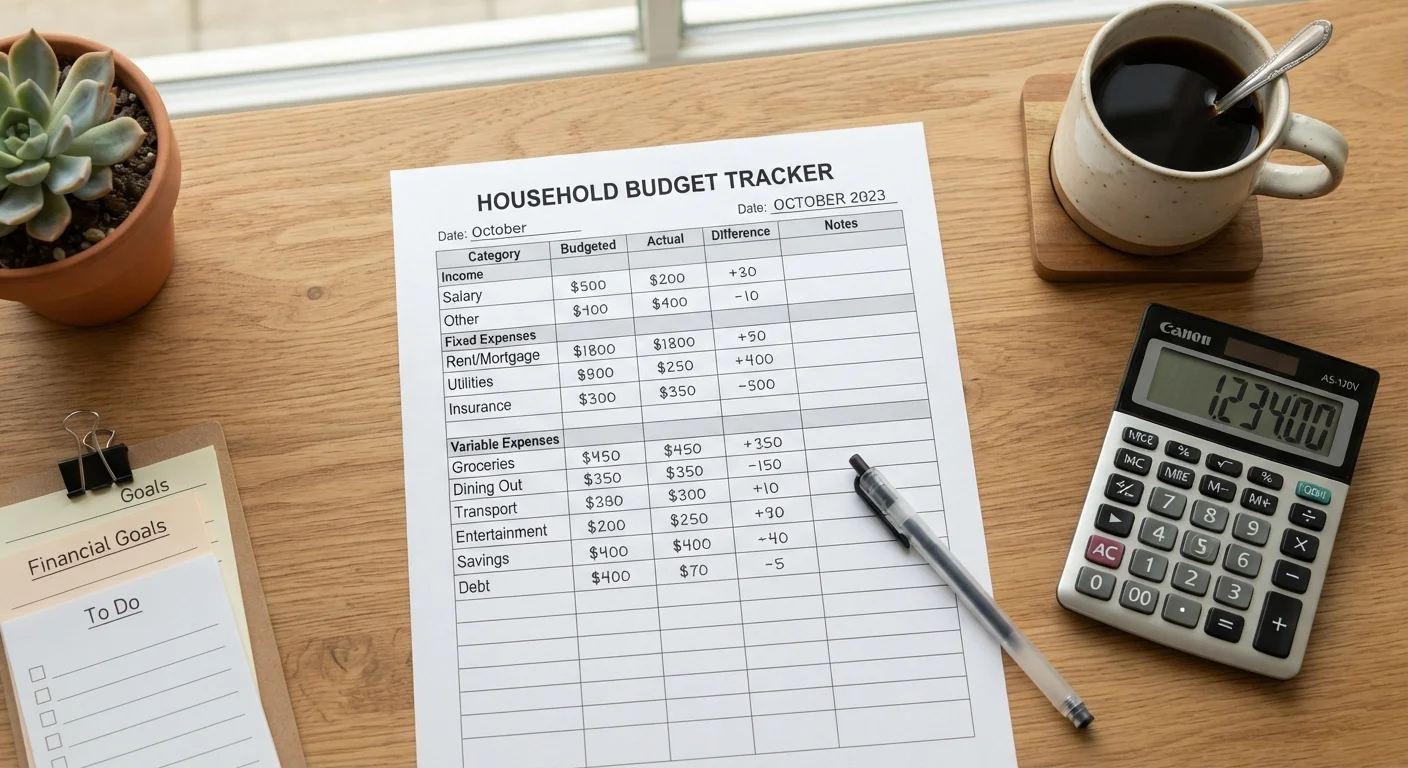
Photo: ShortwebArticles.com | Content For The Curious editorial
Key Takeaways
- Fixed expenses stay the same each billing cycle; variable expenses change based on usage or choice.
- Fixed costs form your budget's non-negotiable floor — they must be covered before anything else.
- Variable expenses are your primary lever for cutting spending when money gets tight.
- Some expenses, like utilities, straddle both categories — they're regular but not identical each month.
- Understanding both categories helps you choose the right budgeting method for your lifestyle.
What Are Fixed Expenses?
A fixed expense is any cost that remains the same amount every billing cycle, regardless of how much you use or consume. Rent or a mortgage payment is the clearest example: the amount due on the first of each month doesn't change based on how many nights you slept at home.
Other common fixed expenses include:
- Car loan or lease payments
- Health, auto, and life insurance premiums
- Student loan minimum payments
- Gym membership fees with a set monthly rate
- Streaming subscriptions billed at a flat rate
Because these amounts don't fluctuate, fixed expenses are straightforward to plan for. You know exactly what's coming out of your account and when. That predictability makes them the logical starting point when setting up any budget — you list them first, total them up, and that sum becomes your non-negotiable monthly floor.
The trade-off is that fixed expenses are harder to reduce quickly. Lowering a car payment typically means refinancing, selling the vehicle, or waiting out the loan term. Cutting a lease early usually comes with a financial penalty. This rigidity is why financial educators often advise people to think carefully before locking in new fixed costs — each one narrows the flexibility in your monthly budget.
For a broader look at how fixed costs fit into budgeting vocabulary, see common budgeting terms every American should know.
What Are Variable Expenses?
A variable expense is any cost that changes from month to month — either in amount, frequency, or both. Groceries are a classic example: the bill shifts based on what you buy, how many people you're feeding, and where you shop. So does gas, dining out, clothing, and entertainment.
Variable expenses generally fall into two groups:
- Necessary variable expenses — costs like groceries, gas, and utilities that you can't entirely eliminate, but whose amounts fluctuate.
- Discretionary variable expenses — costs like restaurants, travel, and hobbies that reflect lifestyle choices rather than basic needs.
This distinction matters because it tells you where your real spending power lies. Necessary variables can often be trimmed at the margins (switching grocery stores, combining errands to cut gas). Discretionary variables offer the most room to move, especially when you're tightening a budget temporarily.
Variable expenses are also where most people find budget leaks. Small, irregular purchases — a few takeout orders, a couple of impulse buys — rarely feel significant in the moment but can add up to hundreds of dollars a month when you look at actual bank statements.
Understanding the difference between a want and a need is closely tied to managing variable costs well. See needs vs. wants in budgeting for practical guidance on drawing that line.
Side-by-Side: How They Compare
The table below contrasts fixed and variable expenses across the criteria that matter most when building a budget.
| Criterion | Fixed Expenses | Variable Expenses |
|---|---|---|
| Amount each month | Stays the same | Changes month to month |
| Predictability | High — easy to plan | Low to moderate — requires tracking |
| Control over amount | Limited once locked in | High — reflects ongoing choices |
| Common examples | Rent, car payment, insurance | Groceries, gas, dining, clothing |
| Ease of cutting | Difficult; often requires big change | Easier; small habit shifts help |
| Budget role | Defines your spending floor | Where savings opportunities live |
One category worth noting separately is semi-variable expenses — costs that occur regularly but don't come in a fixed amount. Electric and gas utility bills are the most common example: you'll pay them every month, but the amount changes with seasonal usage. For budgeting purposes, many people estimate these by averaging 12 months of past bills and treating that average as a soft fixed figure.
What About Semi-Variable Expenses?
How to Use Both Categories in Your Budget
The most practical budgeting approach treats fixed and variable expenses as two distinct layers.
Start with fixed expenses. Add up every cost that hits your account at a predictable amount. This is your floor — the minimum you must earn and keep available each month before any other spending decisions are made.
Estimate variable expenses. Look back at two to three months of bank and credit card statements to get realistic averages for categories like groceries, gas, dining, and entertainment. Averages are more honest than aspirational guesses.
Identify your flexibility zone. The gap between your take-home pay and your fixed expenses is where you have room to maneuver. Variable expenses fill that zone, and how consciously you manage them determines whether you end the month with savings or a deficit.
Different budgeting methods use these categories differently. Zero-based budgeting assigns a job to every dollar, which requires knowing both fixed and variable costs in detail. Percentage-based methods, like the 50/30/20 framework, use broader groupings. See zero-based vs. percentage-based budgeting to find the approach that fits your situation.
If you're a renter weighing a furnished vs. unfurnished unit, that choice also carries fixed-expense implications — furnished rentals typically carry a higher monthly rent (a fixed cost) in exchange for lower upfront setup costs. See how the numbers compare before signing a lease.
This article is for general informational and educational purposes only and does not constitute personalized financial advice. Consider consulting a qualified financial professional for guidance tailored to your individual circumstances.
The content on this site is for informational purposes only and is not a substitute for professional advice. Always consult a qualified professional for guidance specific to your situation.