
Furnished vs. Unfurnished Rentals: What the Difference Really Costs You

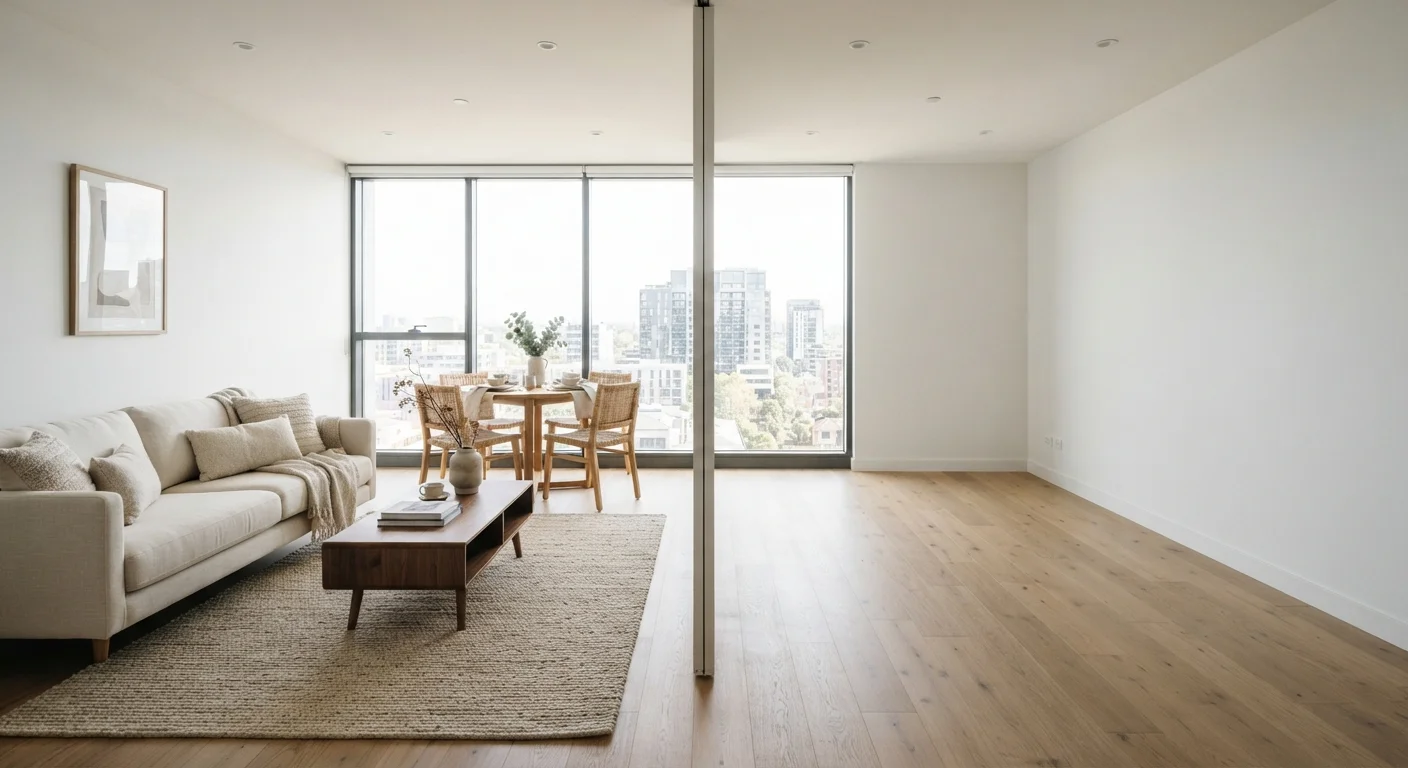
Photo: ShortwebArticles.com | Content For The Curious editorial
Key Takeaways
- Furnished rentals typically cost 15–30% more per month than comparable unfurnished units.
- Unfurnished apartments require significant upfront spending on furniture and household items.
- Furnished units offer flexibility for short-term or transitional renters; unfurnished suits long-term stability.
- Security deposits for furnished units are often higher due to the included inventory.
- Your length of stay is one of the strongest predictors of which option costs less overall.
How Furnished and Unfurnished Rentals Actually Differ
The term furnished rental generally means the unit comes with major furniture — beds, sofas, dining tables, and often basic kitchen items. Unfurnished rentals typically include only built-in appliances and fixtures; everything else is the tenant's responsibility. In practice, what counts as "furnished" varies by landlord, so always request a specific inventory list before signing a lease.
Some landlords offer a middle ground: partially furnished units that may include large items like a bed frame or refrigerator but leave the rest to you. Understanding exactly what's included directly affects how you budget your move-in costs and ongoing monthly expenses. For a full picture of everything that adds up when renting, see the hidden costs of renting.
Breaking Down the Real Costs on Both Sides
The financial comparison between furnished and unfurnished rentals isn't as straightforward as checking the monthly rent figure. Both options carry costs that show up at different stages of a tenancy.
| Furnished Rental | Unfurnished Rental | |
|---|---|---|
| Monthly rent | 15–30% higher than unfurnished | Lower baseline monthly cost |
| Move-in upfront cost | Lower — no furniture to buy | Higher — must furnish from scratch |
| Security deposit | Often higher due to inventory | Typically standard (1–2 months rent) |
| Flexibility | High — easier short-term stays | Lower — moving furniture adds friction |
| Personalization | Limited by existing furniture | Full control over décor and layout |
| Best lease length | Short-term (under 18 months) | Long-term (18+ months) |
Furnished units command a rent premium that typically ranges from 15% to 30% above equivalent unfurnished units in the same market, though this varies significantly by city, neighborhood, and landlord. Security deposits are also often higher because landlords need to cover potential damage to the included inventory. On the upside, move-in costs are lower since you're not purchasing furniture from scratch.
Unfurnished units require a larger one-time investment to set up your home. Furnishing even a modest one-bedroom from scratch — beds, sofa, dining set, storage — can run anywhere from $3,000 to $8,000 or more depending on quality choices. However, monthly rent is lower, and over a multi-year tenancy, those savings compound meaningfully.
15–30%
Typical furnished rent premium
Furnished units generally command a significant monthly premium over comparable unfurnished rentals in the same area, though this varies by market.
$3,000–$8,000
Estimated cost to furnish a one-bedroom
Furnishing a modest one-bedroom apartment from scratch can require a substantial one-time investment, depending on quality and sourcing choices.
The Break-Even Point: How Long Are You Staying?
The length of your stay is arguably the most important variable in this decision. A simple break-even analysis helps clarify the math: take the monthly rent premium for a furnished unit and divide it into the cost of furnishing an equivalent unfurnished apartment yourself.
For example, if a furnished unit costs $300 more per month and furnishing a comparable empty unit would cost $6,000, your break-even point is roughly 20 months — about a year and a half. Before that threshold, the furnished unit costs less in total. After it, the unfurnished unit pulls ahead.
Run Your Own Break-Even Calculation
This calculation is a general framework, not a guarantee — actual costs depend heavily on local market conditions and your personal furnishing choices. It's also worth factoring in the hassle and cost of moving furniture if you relocate frequently. For broader context on how to think through renting decisions, this guide on renting vs. buying covers the decision from multiple angles.
Practical and Lifestyle Factors to Consider
Beyond dollars and cents, furnished and unfurnished rentals carry distinct lifestyle implications worth weighing carefully.
- Flexibility: Furnished units are common in short-term or month-to-month lease markets, making them practical for people in job transitions, temporary assignments, or those who have just relocated.
- Personalization: Unfurnished apartments give you full control over how your home looks and functions. If aesthetics and comfort matter to you over the long term, starting with a blank slate is often preferable.
- Liability: In furnished units, you're responsible for the landlord's belongings. Normal wear and tear is usually acceptable, but disputes over furniture damage can complicate the return of a security deposit.
- Storage: If you already own furniture and rent a furnished unit, you'll need to pay for storage — an added expense that can erode the financial appeal of going furnished.
These trade-offs parallel decisions renters face in other areas of financial life — much like the buy vs. lease calculation in auto decisions, the right answer depends on your timeline, cash flow, and how much flexibility you need.
This article is for general informational purposes only and does not constitute financial, legal, or real estate advice. Costs and market conditions vary by location. Consult a qualified professional for guidance specific to your situation.
The content on this site is for informational purposes only and is not a substitute for professional advice. Always consult a qualified professional for guidance specific to your situation.