
Buying vs. Leasing a Car: What the Numbers Actually Look Like

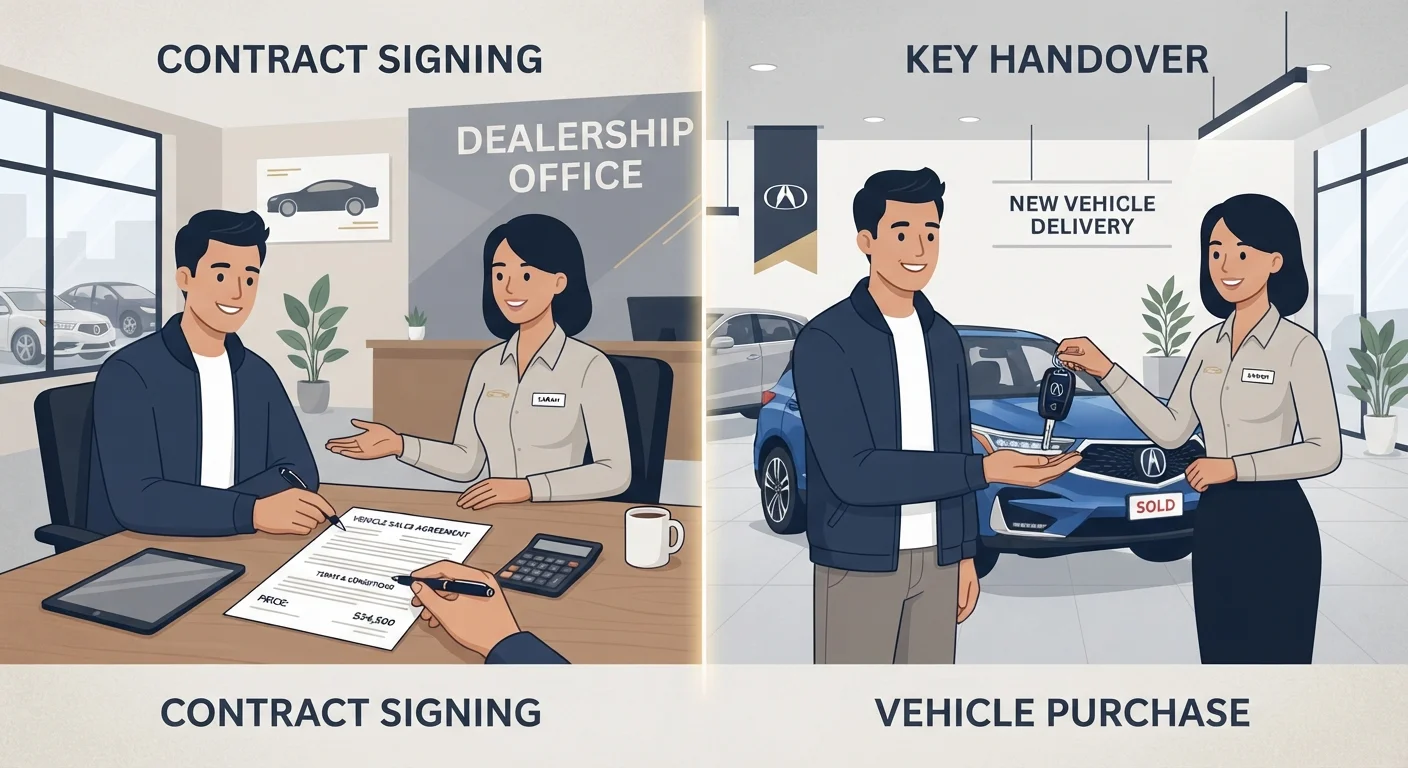
Photo: ShortwebArticles.com | Content For The Curious editorial
Key Takeaways
- Buying costs more monthly but builds equity; leasing is cheaper monthly but you never own the vehicle.
- Leases typically include mileage caps — commonly 10,000–15,000 miles per year — with fees for overages.
- Buyers can modify, sell, or trade in their car at any time; lessees face restrictions and early-termination penalties.
- Over a 10-year horizon, owning a paid-off vehicle is generally less expensive than perpetually leasing.
- Your credit score significantly affects both loan interest rates and lease terms.
How the Monthly Numbers Break Down
The most immediate difference between buying and leasing shows up in your monthly payment. When you finance a car purchase, your payment covers the full vehicle price (minus your down payment) plus interest over the loan term — typically 48 to 72 months. When you lease, you're only paying for the portion of the car's value you use during the lease period, plus interest (called the money factor) and fees.
As a general illustration: on a $35,000 vehicle with average financing terms, a purchase loan might run $550–$650 per month over 60 months. A lease on the same car might cost $350–$450 per month over 36 months. That gap is real, but it doesn't tell the whole story — at the end of a loan, you own something. At the end of a lease, you hand the keys back.
| Criterion | Buying | Leasing |
|---|---|---|
| Monthly payment | Higher (full price + interest) | Lower (depreciation + fees) |
| Ownership at term end | Yes — you own the car | No — return or buy out |
| Mileage limits | None | 10,000–15,000 miles/year typical |
| Modification allowed | Yes | Generally not permitted |
| Early exit | Sell or trade at any time | Early termination fees apply |
| Long-term cost (7+ years) | Lower once loan is paid | Higher — payments never stop |
| Maintenance responsibility | Owner's discretion | Must follow required schedule |
For more on how financing terms affect total cost, see our breakdown of dealership vs. bank auto financing.
Mileage, Wear, and the Hidden Costs of Leasing
Lease agreements come with mileage limits — most commonly 10,000, 12,000, or 15,000 miles per year. If you exceed that cap, you'll owe an overage fee at lease-end, typically between $0.15 and $0.25 per mile. Drive 5,000 miles over a 36-month lease and you could owe $750–$1,250 at return.
Lessees are also responsible for returning the vehicle in good condition. Normal wear is expected, but anything beyond that — a door ding, a stained interior, worn tires — can trigger disposition fees. These charges can catch drivers off guard if they haven't budgeted for them.
Lease-End Costs Are Often Underestimated
Buyers face none of these restrictions. You can drive as far as you want and accept reasonable wear without financial penalty. That freedom has real value, particularly for drivers with longer commutes or who frequently take road trips.
Long-Term Value: What You're Left With
This is where buying separates itself most clearly. Once a car loan is paid off, your cost of ownership drops sharply — you still pay for insurance, maintenance, and eventual repairs, but no monthly payment. Over a 10-year ownership window, a driver who buys and pays off a vehicle in year five drives the following five years payment-free.
A driver who leases a new vehicle every three years is always making a payment. That's a structural cost that never goes away.
~55%
Share of new vehicles leased in some segments
Lease penetration rates vary significantly by vehicle segment; luxury vehicles historically see higher lease rates than mainstream models, according to industry tracking data.
$0.20
Typical per-mile overage fee on a lease
Mileage overage rates commonly range from $0.15 to $0.25 per mile depending on the lease agreement, per standard industry contract terms.
There's also the matter of equity. A purchased vehicle can be sold or traded toward your next car. A leased vehicle builds no equity — you're essentially renting it. For context on what happens when you're ready to move on, see how trading in compares to selling privately.
That said, leasing does have one subtle financial advantage: you're always driving a newer vehicle, which tends to mean lower repair costs and often better fuel efficiency compared to an aging owned car. Whether that trade-off works in your favor depends on how long you'd keep a purchased car and its maintenance history.
If you're also weighing whether to buy new or used, our guide on new vs. used car trade-offs covers that decision in depth.
The content on this site is for informational purposes only and is not a substitute for professional advice. Always consult a qualified professional for guidance specific to your situation.