
New Car vs. Used Car: Weighing the Real Trade-Offs

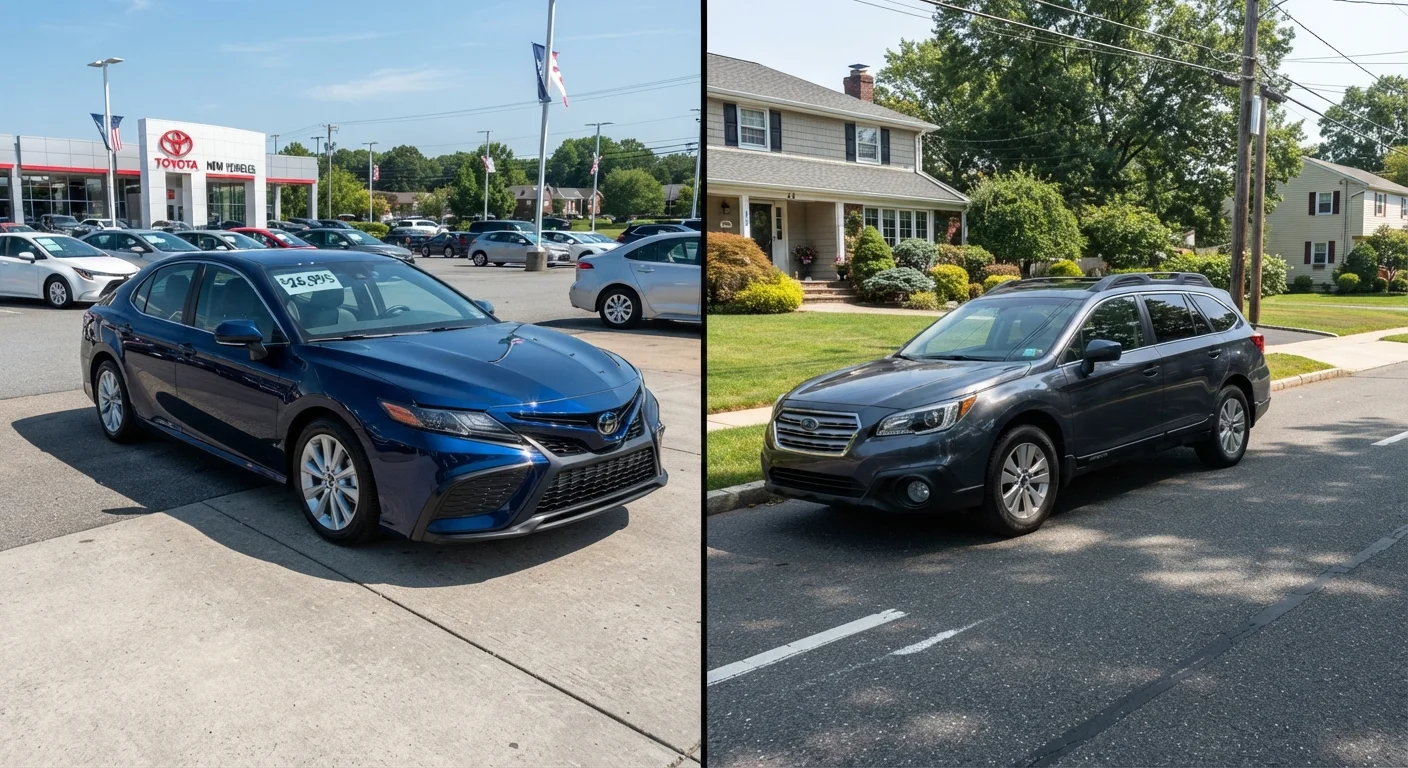
Photo: ShortwebArticles.com | Content For The Curious editorial
Key Takeaways
- New cars cost more upfront but typically offer lower interest rates and full warranty coverage.
- Used cars depreciate more slowly, but hidden repair costs can erode initial savings.
- Your credit score, driving habits, and how long you keep the car all affect which choice makes more sense.
- A pre-purchase inspection is essential before buying any used vehicle.
The Depreciation Reality
Depreciation is the single biggest financial factor separating new from used. A new vehicle loses a significant portion of its value in the first few years of ownership — commonly estimated at 15–25% in the first year alone, according to general industry data. By the time a car is three years old, much of that initial drop has already occurred.
When you buy used, you're letting someone else absorb that early loss. A three-year-old vehicle in good condition can offer most of the functional life of a new car at a meaningfully lower price. The flip side: a new car's depreciation curve flattens as it ages, which matters if you plan to own it for a decade or more.
| New Car | Used Car | |
|---|---|---|
| Purchase Price | Higher — full retail value | Lower — depreciation already absorbed |
| Depreciation | Steepest in years 1–3 | Slower; value more stable |
| Financing Rates | Typically lower; promo rates available | Generally higher rates |
| Warranty Coverage | Full factory warranty included | Partial or none (CPO extends it) |
| Insurance Cost | Higher (greater replacement cost) | Lower for older/cheaper vehicles |
| Repair Uncertainty | Minimal for warranty period | Higher; depends on vehicle history |
| Latest Safety Tech | Standard on current models | Varies widely by year and trim |
Financing, Insurance, and Total Cost of Ownership
Sticker price is only one part of the equation. New cars typically qualify for lower interest rates — manufacturer-backed financing promotions can be particularly competitive — while used car loans generally carry higher rates. Over a five-year loan, that rate difference can add up to hundreds or even thousands of dollars in total interest paid.
Insurance costs tend to be higher on new vehicles because the replacement cost is greater. Comprehensive and collision coverage, which lenders usually require, will cost more on a $35,000 new car than on a $15,000 used one. If you're financing either purchase, see how the two loan structures compare in our guide to dealership vs. bank financing.
Calculate Total Cost, Not Just Monthly Payment
Reliability, Warranties, and the Risk of the Unknown
New cars come with factory warranties — typically a three-year/36,000-mile bumper-to-bumper and a five-year/60,000-mile powertrain warranty, though terms vary by manufacturer. That coverage provides a predictable repair budget: close to zero for the first several years.
Used vehicles may still carry portions of a factory warranty, especially certified pre-owned (CPO) options, which undergo manufacturer-backed inspections and come with extended coverage. Non-certified used cars carry more uncertainty. A vehicle history report tells you about past accidents and title issues, but it won't flag deferred maintenance or a marginal transmission. That's why a professional pre-purchase inspection matters — see our pre-purchase checklist for used cars before you commit.
Skip the Inspection, Risk a Costly Surprise
Which Choice Actually Fits Your Situation?
For drivers who commute heavily, plan to keep a vehicle for 10-plus years, and value predictable costs, a new car's warranty and reliability record can justify the premium. For someone who drives modestly, has some mechanical knowledge, or simply needs reliable transportation without a large monthly payment, a well-chosen used car often makes more financial sense.
It's also worth thinking about what you'd do with the savings. If buying used frees up capital that you'd otherwise direct toward high-interest debt, that decision carries compounding benefits — a concept explored further in our guide to using financial windfalls wisely. And when it's time to move on from whichever vehicle you choose, understanding your exit options matters too — our comparison of trading in vs. selling privately can help you maximize your return.
~20%
Average first-year depreciation on new vehicles
Industry estimates consistently place first-year value loss between 15–25%, with the steepest drop occurring in the first 12 months of ownership.
3–4 years
Age of used cars offering the best value window
Vehicles in this age range have absorbed the sharpest depreciation while often retaining modern safety features and some remaining warranty coverage.
The content on this site is for informational purposes only and is not a substitute for professional advice. Always consult a qualified professional for guidance specific to your situation.