
Car Ownership

Before You Drive Off the Lot: A Pre-Purchase Checklist for Used Cars

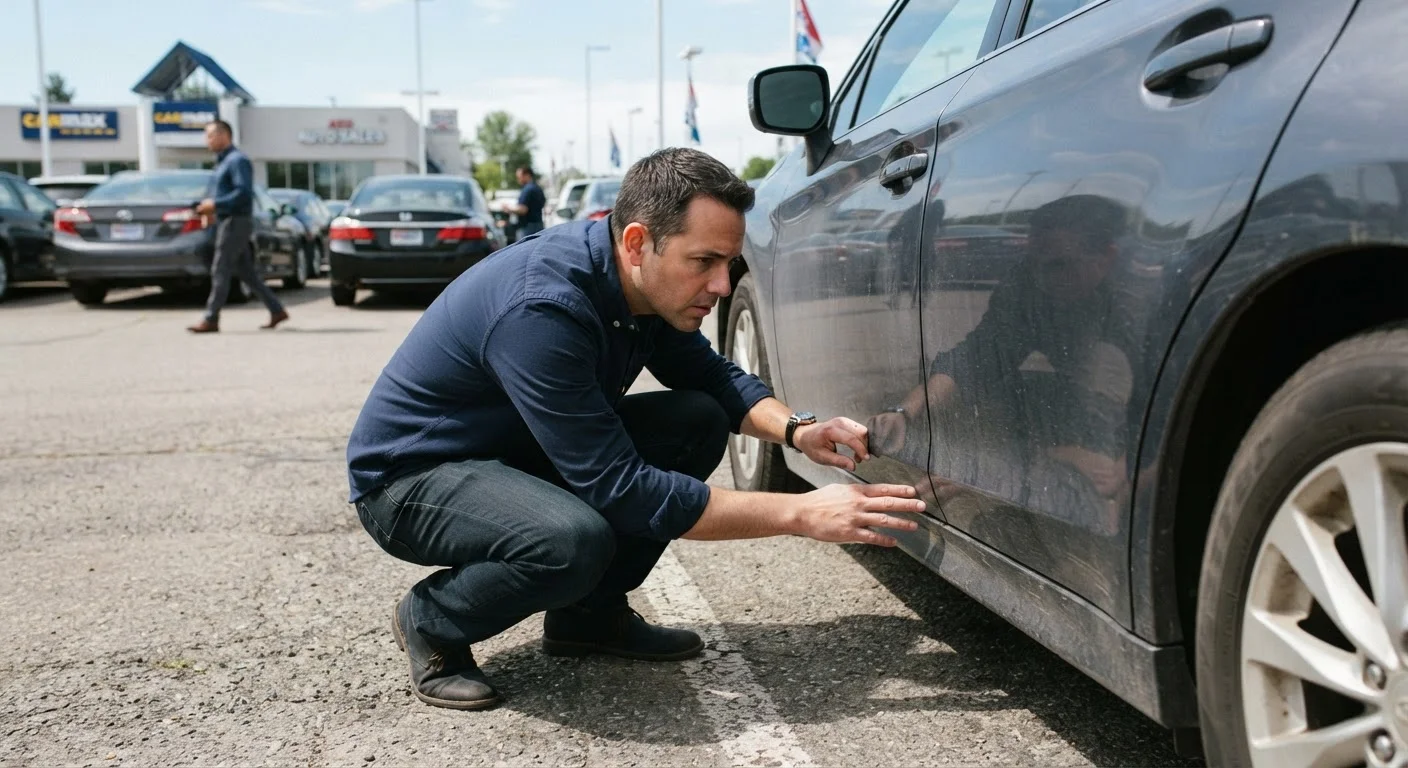
Before You Drive Off the Lot: A Pre-Purchase Checklist for Used Cars

Photo: ShortwebArticles.com | Content For The Curious editorial

A used car can be a smart buy — or a costly surprise. Use this checklist to verify the vehicle's condition, history, and paperwork before committing.

Key Takeaways

  • Run a vehicle history report before you visit — not after you fall in love with the car.
  • A professional pre-purchase inspection typically costs under $200 and can uncover hidden problems worth thousands.
  • Rust, frame damage, and mismatched paint are red flags that are easy to spot if you know what to look for.
  • Test-drive the car in conditions that reflect how you'll actually use it, including highway speeds.
  • Never skip the paperwork review — title status, odometer disclosure, and lien releases all matter.
  • Walk away from any seller who refuses an independent inspection or pressures you to decide on the spot.

Why a Checklist Matters Before You Buy

Buying a used car without a structured process is one of the most common ways drivers end up with a vehicle that costs far more than expected. Problems that are obvious in hindsight — a rebuilt title, a leaking transmission, a flood-damaged interior — are easy to miss when you're excited about a deal. This checklist is designed to slow that process down in the right places.

If you're still weighing whether used is the right direction for you at all, this comparison of new vs. used trade-offs is worth reading first. And once you've bought, good habits continue — the car maintenance hub covers the ongoing upkeep that protects your investment.

Work through the groups below in order. Each item is rated by priority so you can triage quickly if time is short, though completing every step is always the safer approach.

Required

Vehicle History Report Service

Provides accident history, title status, odometer records, and ownership count using the car's VIN.

Required

Flashlight

Helps you inspect the undercarriage, engine bay, and door jambs for rust, damage, or fluid leaks.

Optional

OBD-II Code Reader

Plugs into the car's diagnostic port to reveal any stored engine fault codes that sellers may have cleared temporarily.

Optional

Magnet (small)

Detects body filler used to hide rust or collision damage beneath paint — filler is non-magnetic, steel is.

Required

Independent Mechanic

Conducts a professional pre-purchase inspection to identify issues not visible during a layperson walkthrough.

The Complete Pre-Purchase Checklist

Use these groups as a physical walkthrough guide — print the page or pull it up on your phone before you arrive at the lot or meet a private seller.

Before You Visit

Pull a vehicle history report using the VIN to check for accidents, title issues, odometer rollbacks, and prior ownership. Must
Verify the asking price against market data sources to understand whether it reflects the vehicle's age, mileage, and condition. Must
Research common mechanical problems for that specific make, model, and model year before your visit. Should
Confirm the seller has the title in hand and that the name on the title matches the seller's ID. Must

Exterior Inspection

Walk the entire perimeter in good lighting, looking for rust, dents, cracked glass, and uneven panel gaps that may indicate prior collision repair. Must
Crouch at each corner and sight down the body panels to spot ripples or waviness indicating filler (body putty) repairs. Should
Check that paint color and finish are consistent across all panels — mismatched sheen often signals a repainted section. Should
Inspect the undercarriage for frame damage, heavy rust on structural components, or signs of leaking fluids. Must
Check all tires for even tread wear — uneven wear patterns can indicate alignment, suspension, or brake issues. Must

Interior and Mechanical Check

Check for water stains, musty odors, or rust on seat rails and floor — these are signs of flood damage. Must
Test every electrical feature: windows, locks, mirrors, AC, heat, radio, and all dashboard warning lights. Should
Open the hood and check fluid levels (oil, coolant, brake fluid, transmission fluid) and look for signs of leaks or corrosion around the battery terminals. Must
Inspect the oil dipstick for milky or foamy oil, which can indicate a head gasket problem. Must
Look at the exhaust when the engine is running — white smoke suggests coolant burning, blue smoke suggests oil consumption. Should

Test Drive

Start the car cold if possible — many issues only appear before the engine warms up. Must
Drive at highway speeds and listen for vibration, pulling, or noise that doesn't occur in parking lots. Must
Test the brakes firmly in a safe location to check for pulsing, pulling, or grinding. Must
Pay attention to how the transmission shifts — hesitation, hard shifts, or slipping are serious warning signs. Should

Paperwork and Closing

Verify the title is clean (not salvage, rebuilt, or branded) and free of any liens before agreeing on a price. Must
Confirm the odometer reading on the title matches the dashboard and the history report. Must
Schedule a professional pre-purchase inspection at an independent mechanic before finalizing the sale. Must

Never Skip the Independent Inspection

A visual walkaround and test drive can catch obvious problems, but they won't reveal issues inside the engine, transmission, or suspension components. A professional pre-purchase inspection by a mechanic you choose — not one recommended by the seller — is a critical step. Budget roughly $100–$200 for this service; it's inexpensive compared to the repairs it can help you avoid.

If a seller won't give you enough time to work through this checklist, that's a signal in itself. Legitimate sellers understand that a careful buyer is a serious buyer.

After the Checklist: What Comes Next

Passing all checklist items doesn't mean the car is perfect — it means you've done your reasonable due diligence as a non-mechanic buyer. The next step is scheduling a professional pre-purchase inspection, which goes deeper than a visual walkthrough. A qualified mechanic can check for issues that aren't visible to the naked eye, including problems with the cooling system, suspension wear, and early-stage engine issues.

On the financial side, if you're financing the purchase, take time to review the loan agreement carefully before signing. Understanding terms like APR and prepayment penalties can prevent costly surprises after the papers are signed.

Rebuilt and Salvage Titles Carry Lasting Risks

A vehicle with a salvage or rebuilt title has been declared a total loss by an insurer at some point in its history. These cars are often significantly cheaper, but they may carry hidden structural damage, be difficult to insure at full value, and have lower resale potential. If a history report shows a branded title, understand the implications clearly before proceeding — and consult your insurance provider about coverage options.

Once the car is yours, keeping it in good shape is an ongoing responsibility. And if a road trip is on the horizon, a road trip readiness checklist can help you confirm your newly purchased vehicle is truly ready for long-distance driving.

Cars Editorial Team

ShortwebArticles.com | Content For The Curious

Cars Editorial Team is the collective byline for our editorial team and contributor network. Articles published under this byline or an editorial pen name are researched, written, and reviewed according to our editorial standards for clarity, consistency, and independence before publication.

Car MaintenanceCar OwnershipRoad & Driving Tips
View author profile

The content on this site is for informational purposes only and is not a substitute for professional advice. Always consult a qualified professional for guidance specific to your situation.