
Before You Pull Out of the Driveway: A Road Trip Readiness Checklist

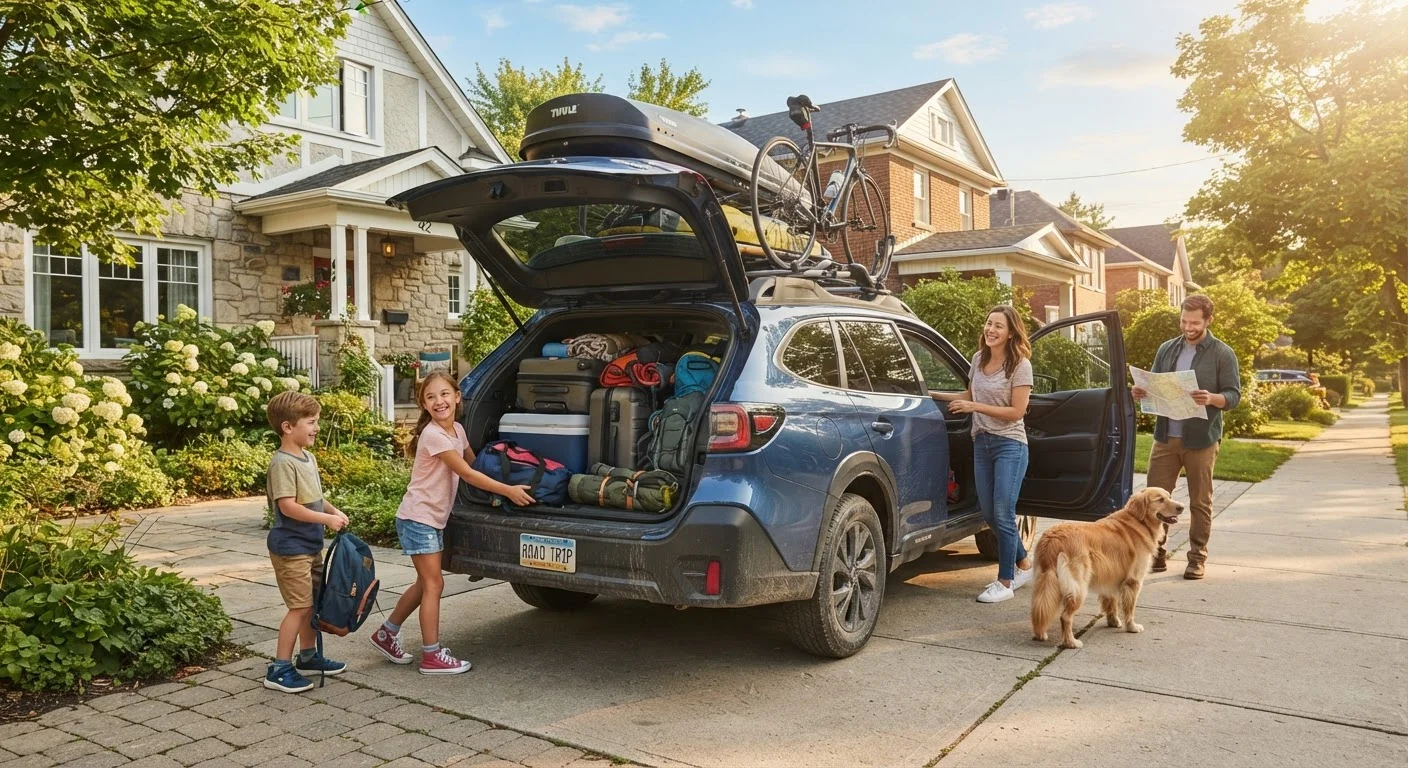
Photo: ShortwebArticles.com | Content For The Curious editorial
Key Takeaways
- Checking tires, fluids, and lights before departure can prevent most common roadside breakdowns.
- Gathering documents, insurance cards, and emergency contacts in one place saves stress mid-trip.
- A pre-loaded emergency kit and basic tool supply are non-negotiable safety items for any long drive.
- Route planning — including fuel stops and rest breaks — reduces driver fatigue significantly.
- Packing smart for passengers, especially kids, makes hours of driving far more manageable.
Why This Checklist Exists
There's a particular kind of dread that hits when you're 40 miles from home and realize you've forgotten something important — or worse, when your car starts making a sound it wasn't making yesterday. The good news? Most road trip headaches are entirely preventable with about an hour of honest preparation before you leave.
This checklist is designed for everyday American drivers heading out on anything from a weekend state-park run to a two-week cross-country haul. It covers four critical areas: your vehicle's mechanical readiness, your paperwork, your safety gear, and your route logistics. Whether you're a seasoned road-tripper or planning your first long drive, running through these items gives you confidence that you've covered the bases that actually matter.
For a deeper dive into the driver-specific side of preparation — things like fatigue management and long-highway habits — see our driver's readiness checklist as a companion resource. And if you want a consolidated list of what to physically keep in your car during the trip itself, what to keep in your car on every road trip is worth bookmarking.
Tire Pressure Gauge
Accurately measure PSI in all tires before departure to confirm they meet the manufacturer's recommended level.
Portable Jump Starter
Restart a dead battery without needing another vehicle — especially useful in remote or overnight situations.
Offline Navigation App
Provide turn-by-turn directions in areas with no cellular signal along rural or mountain routes.
First Aid Kit
Treat minor injuries immediately without relying on finding a pharmacy or urgent care mid-trip.
Portable Power Bank
Keep phones, GPS devices, and other electronics charged when you're away from power outlets.
Basic Tool Kit
Handle minor mechanical issues — loose panels, zip-tie fixes, or tire plugs — without waiting for a tow.
How to Use This Checklist
Work through the checklist groups in order — vehicle inspection first, documents second, safety gear third, route logistics fourth, and passenger prep last. This sequence is intentional: mechanical issues discovered late in your prep may require a mechanic visit before you finalize anything else.
Give yourself at least the morning before your planned departure to complete this list without rushing. If any vehicle item raises a concern you're not qualified to evaluate yourself, have a trusted mechanic look at it — especially brakes, tire wear, and fluid leaks. The car maintenance hub is a solid starting point if you want to understand what you're looking for before you check.
Don't Skip the Spare Tire Check
Drowsy Driving Is as Dangerous as Impaired Driving
Traveling with children adds another layer of preparation. Car seat installation, entertainment logistics, and rest-stop planning deserve real attention — our guide on traveling with kids in the car walks through strategies that actually work on long drives. Once you've worked through every group below, you'll be ready to pull out of that driveway with confidence.
Vehicle Inspection
Documents & Insurance
Safety & Emergency Gear
Route & Logistics
Passenger & Comfort Prep
Verify Entry Requirements Before Crossing Any Border
This checklist is provided for general informational purposes. Vehicle safety concerns should be evaluated by a qualified mechanic. Verify all entry requirements, road conditions, and travel advisories with official government and transportation sources before departing.
The content on this site is for informational purposes only and is not a substitute for professional advice. Always consult a qualified professional for guidance specific to your situation.