
Traveling with Kids in the Car: Making Long Drives Work for Families

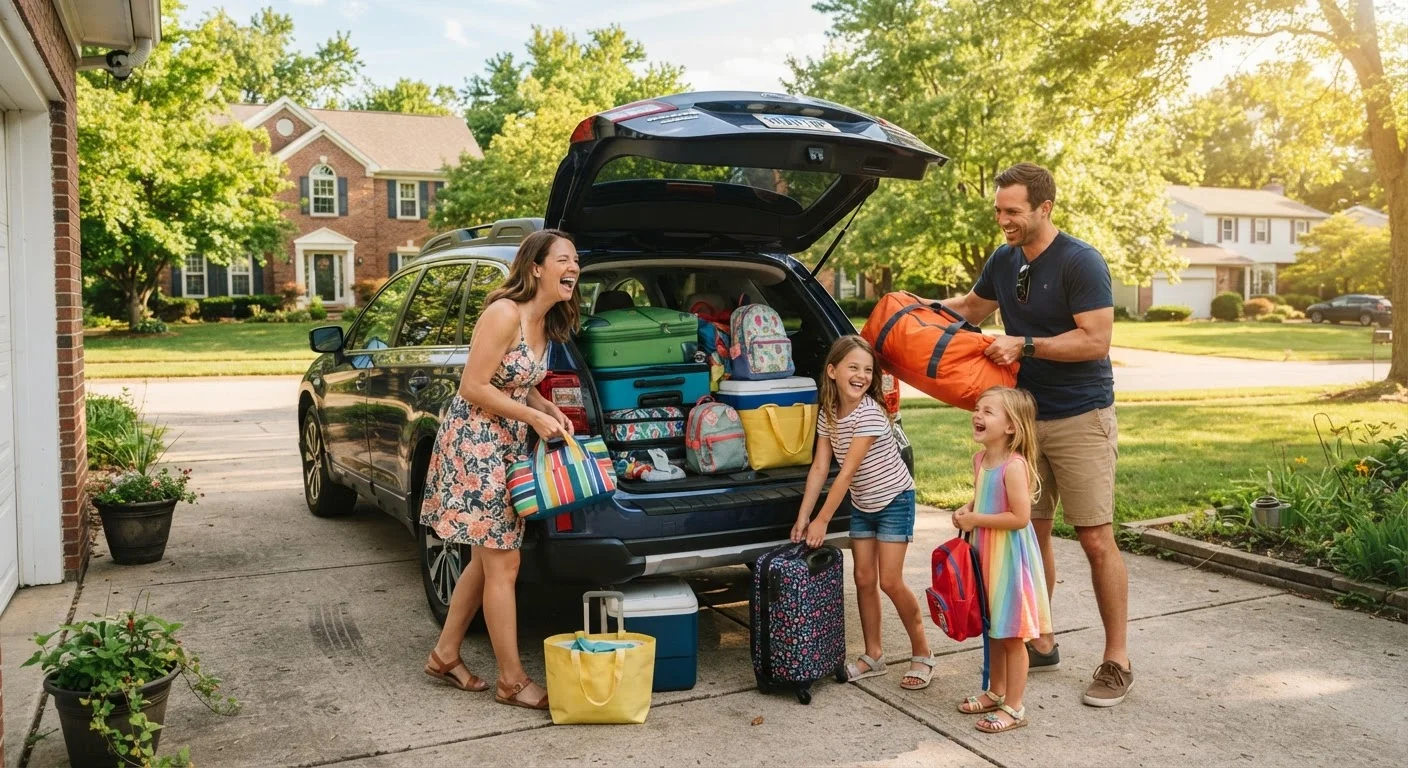
Photo: ShortwebArticles.com | Content For The Curious editorial
Key Takeaways
- Timing your departure around nap or sleep schedules can dramatically reduce in-car restlessness.
- Planned breaks every 90–120 minutes keep kids energized and prevent meltdowns.
- Snack packs, activity kits, and screen time limits work together to maintain engagement.
- Car safety fundamentals — correct seat installation and regular vehicle checks — are non-negotiable.
- Involving kids in route planning and small decisions builds excitement before the trip even begins.
Start Before You Even Buckle In
The success of a family road trip is largely decided before anyone sits in the car. Building anticipation — without overpromising — shifts kids from reluctant passengers into eager co-pilots. Show them the route on a simple map, let them vote on one roadside stop, or put together a "mystery bag" of small surprises they can open only after the first hour on the road.
Timing your departure strategically is equally powerful. Many families swear by the predawn launch: load the car the night before, buckle sleeping kids in, and bank two or three hours of peaceful driving. If an overnight departure isn't realistic, syncing your start time with a nap window works nearly as well. See our road trip readiness checklist to make sure the vehicle itself is prepared before you even think about snacks and playlists.
The Mystery Bag Trick Works Every Time
The Break Rhythm That Actually Works
Telling a six-year-old to "just hold on" for three more hours is a losing strategy. A predictable break rhythm — roughly every 90 to 120 minutes — gives kids something to look forward to and prevents the cabin-pressure buildup that turns minor irritability into full meltdown. At each stop, make movement the priority: a grassy patch to run, a short trail to walk, or even jumping jacks in a rest-area parking lot.
90–120 min
Recommended break interval for families with young children
Pediatric travel guidelines and family travel researchers generally suggest stopping every 90 to 120 minutes to let children move and reset.
~46%
American families who took a road trip in a recent year
Multiple travel industry surveys have consistently found road trips to be the most common vacation format for American families with children.
Choose stops with intention. Welcome centers, state parks, and quirky roadside attractions cost little or nothing and give every family member a genuine story to tell. Route those stops into your navigation so they feel like planned adventures, not reluctant concessions. For a deeper dive into building a rewarding route, our guide America by car for first-time road trippers walks through the whole planning process.
Keeping Kids Engaged Between Stops
A layered entertainment strategy beats any single solution. Think in tiers: passive (audiobooks, music playlists kids helped choose), interactive (road-trip bingo, license plate games, storytelling chains), and screen-based (downloaded movies or educational apps for stretches when energy flags).
Build a layered entertainment kit before departure
Assign kids a simple job relevant to the trip
Set consistent screen-time windows, not open-ended access
Keep a dedicated "boredom buster" bag sealed until needed
Narrate the landscape to younger children
Pack snacks in individual portions — not a shared bag everyone raids in the first twenty minutes. Variety matters more than quantity: something crunchy, something chewy, something fresh. A small cooler within reach of older kids puts them in charge of their own hunger, which surprisingly reduces the "I'm hungry" chorus. For a full checklist of what belongs in the car, check out what to keep in your car on every road trip.
Safety and Comfort: The Non-Negotiables
All the entertainment in the world matters less than getting your family there safely. Confirm that every child's car seat or booster is installed correctly and meets the current height, weight, and age guidelines from the National Highway Traffic Safety Administration (NHTSA). If you have any doubt, many local fire stations and certified child passenger safety technicians offer free seat checks.
Car Seat Rules Vary by State and Age
Comfort is safety's quieter cousin. Temperature regulation, sun shades on rear windows, and a dedicated small pillow for each child reduce physical discomfort that magnifies irritability. Make sure the driver is equally cared for — a tired driver is a dangerous one. If you're the sole adult behind the wheel, review how solo drivers manage fatigue in our piece on solo road trips across America, which applies directly to keeping your focus on a long family haul. Before any major drive, run through a vehicle check using our driver's readiness checklist.
The content on this site is for informational purposes only and is not a substitute for professional advice. Always consult a qualified professional for guidance specific to your situation.