
Solo Road Trips Across America: Safety, Logistics, and Making the Most of It

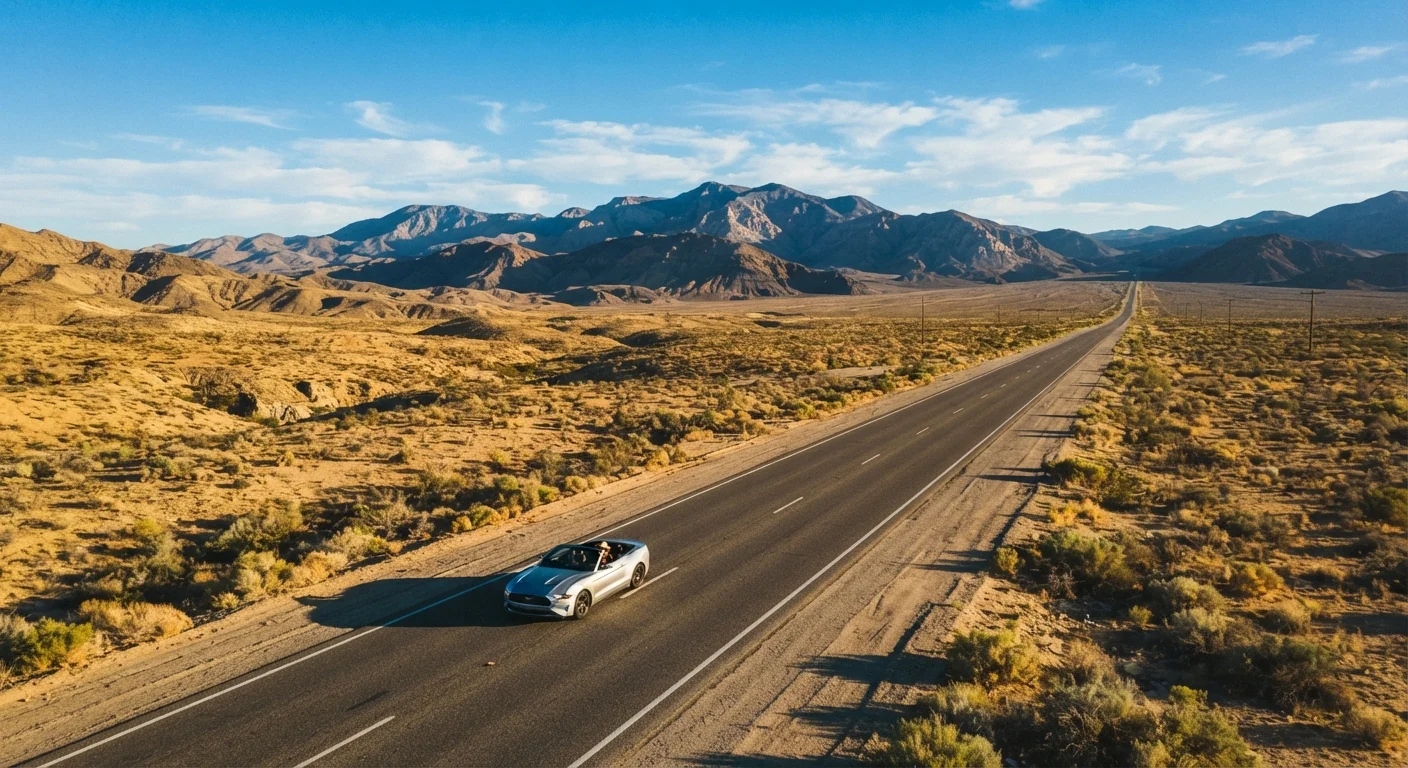
Photo: ShortwebArticles.com | Content For The Curious editorial
Key Takeaways
- Solo road trips offer complete scheduling flexibility unavailable in group travel.
- Safety planning — vehicle prep, route sharing, and rest stops — reduces most solo risks significantly.
- Driver fatigue is the leading hazard on long solo drives; plan hard stops every two hours.
- Shoulder-season timing and single-occupancy lodging strategies help offset solo cost premiums.
- Staying loosely connected with someone at home adds a meaningful safety layer without sacrificing freedom.
Why Solo Road Trips Hit Different
There's a particular kind of freedom that only kicks in when you're the only one in the car. No negotiating radio stations. No waiting for someone else to wake up. No compromises on which two-lane detour looks interesting. Solo road trips across America have a long, storied tradition — and for good reason.
Compared to group travel, solo driving gives you a direct, unfiltered relationship with the landscape. You stop when you want, linger where it moves you, and push through when the mood calls for miles. If you've ever been curious about how solo and group trips differ in practice, the gap is real — and for many travelers, solo wins handily on flexibility alone.
That said, going it alone does require more deliberate preparation than tagging along with a group. The logistics fall entirely on you, and so does your safety net. That's not a reason to hesitate — it's a reason to plan well.
Planning Your Route and Schedule
The single best advantage you have as a solo traveler is the ability to build a route around your interests and pace. Start with a rough framework — origin, destination, approximate days — and then build in flexibility rather than a locked itinerary.
A few structural decisions matter early:
- Coast-to-coast vs. regional loop: A full cross-country drive is ambitious and deeply rewarding, but a well-designed regional loop can deliver equal richness with less logistical complexity. Weighing these two formats before you commit can save a lot of mid-trip regret.
- Daily mileage targets: Most solo drivers fare well with 250–350 miles per day. Pushing past 400 consistently invites fatigue and reduces enjoyment.
- Overnight anchors: Identify three or four firm overnight stops. Leave everything in between loosely defined so spontaneous detours feel like gifts, not disruptions.
Don't overlook timing. Shoulder-season travel — spring and fall — typically delivers lighter crowds, more moderate weather, and lower accommodation costs than the peak summer window.
Build in Buffer Days from the Start
Safety Essentials for Driving Alone
Solo driving safety isn't about fear — it's about removing unnecessary variables so you can focus on the good stuff. A few non-negotiables:
- Share your itinerary. Leave a detailed route plan — including overnight stops — with someone at home. Check in at each stop. This one habit closes the biggest gap between solo and group travel safety.
- Pre-trip vehicle inspection. Tires (including the spare), brakes, fluids, and lights. If your car is due for service, handle it before departure, not during. For deeper guidance on keeping your vehicle road-ready, the Road & Driving Tips hub is a practical resource.
- Emergency kit in the trunk: Jumper cables or a jump starter, a basic first aid kit, a flashlight, water, snacks, and a paper map as backup to GPS.
- Fuel discipline: Don't let the tank drop below a quarter in remote stretches. Some parts of the American West and Great Plains have very long gaps between service stations.
Always Share Your Itinerary Before Departing
Also consider your parking choices at night. Well-lit lots near populated areas are worth a modest detour. Trust your instincts — if a rest stop or pull-off feels off, keep moving.
Managing Fatigue and Mental Stamina
Fatigue is the real adversary of solo road tripping. Without a co-pilot to take a shift or keep you alert, the entire cognitive load of driving rests on you — and that load compounds over many consecutive hours.
1 in 5
Drowsy driving crashes involve a solo driver
According to the National Sleep Foundation, driving alone removes the alertness checks that passengers naturally provide.
2 hrs
Recommended maximum driving before a break
Road safety research broadly supports stopping every two hours on long drives to maintain reaction times and judgment.
~30%
Of American adults have taken a solo road trip
Survey data from the American Automobile Association suggests solo driving is among the most common forms of independent travel in the US.
Practical countermeasures that actually work:
- Hard stop every two hours. Get out of the car, walk, stretch, eat something. Even ten minutes resets your alertness meaningfully.
- Don't drive through your sleepiest window. Most people experience a natural dip in alertness between 2–4 PM and again after midnight. If you feel it coming, stop — don't push through it.
- Podcasts and audiobooks help, but don't mask genuine fatigue. If you're struggling to follow a storyline you were engaged in twenty minutes ago, that's a warning sign.
- Caffeine has a ceiling. It delays fatigue but doesn't replace rest. If you're relying on multiple energy drinks to stay alert, the real answer is a stop.
Staying Connected Without Losing the Point
One of the quiet tensions of solo travel is the pull between staying in touch and actually being present. Both matter — but they require a little intentionality to balance.
A few approaches that work well in practice:
- Scheduled check-ins over constant contact. Agree with your contact person on a daily check-in time rather than a stream of texts. This keeps someone informed without turning your trip into a continuous live broadcast.
- Offline map downloads. Download your route sections to your phone's map app before you leave reliable cell coverage. Rural and mountain areas across the US can drop signal for long stretches.
- Satellite communicator for remote routes. If your route takes you through genuinely isolated terrain — think Nevada basin-and-range country or deep Wyoming backroads — a satellite messaging device is a serious consideration, not an overreaction.
Cell Coverage Gaps Are Real and Wide
And remember: the point of a solo trip is partly to be alone with your thoughts, your music, and the landscape. Some disconnection is the whole idea.
Budgeting When You're Traveling Solo
Solo travel carries a real cost disadvantage: every fixed expense — the hotel room, the campsite, the gas — is yours alone. No splitting. That said, solo travelers also have structural advantages: you can make nimble decisions, skip expensive restaurants without group friction, and time fuel stops for cheaper stations without consulting anyone.
The biggest solo-specific costs to watch:
- Lodging: Single-occupancy rates are often nearly identical to double-occupancy rates at hotels. Camping — either at established campgrounds or dispersed public land sites where permitted — dramatically cuts this category. A clear breakdown of where road trip money goes can help you prioritize before you leave.
- Food: A cooler with basic provisions reduces dependence on restaurants. You can stop whenever you want — which means you're not paying a premium for convenience.
- Fuel: Solo means less weight in the car, which modestly improves fuel efficiency. On a long trip, that adds up.
The financial trade-off is real, but manageable with deliberate planning. Don't let the cost gap be the reason you don't go.
“The freedom of the open road is seductive, but it's the preparation behind it that makes the freedom real. Solo travelers who plan for contingencies spend their trip enjoying the scenery — not managing crises.”
— John Steinbeck, Author, Travels with Charley: In Search of America
Making the Most of Your Own Company
Here's what most first-time solo road trippers discover somewhere around day two: the absence of other voices creates space for something surprisingly good. You notice more. You decide faster. You follow hunches.
That's the payoff — but it doesn't happen automatically. A few approaches worth trying:
- Keep a loose trip journal. Even brief notes at the end of each day create a record you'll actually want to revisit.
- Talk to locals intentionally. Diners, ranger stations, small-town gas stations — solo travelers are often more approachable and more likely to have genuine conversations than groups traveling together.
- Build in at least one genuinely unplanned day. Leave a stretch of your trip with no destination locked in. Some of the most memorable solo road trip moments come from a gas station attendant's offhand recommendation or a sign for a state park you'd never heard of.
The American road network is genuinely vast and varied. Lesser-known destinations often deliver more authentic experiences than the famous corridors — and solo travelers are uniquely positioned to find them.
When planning overnight stops on a solo trip, favor small towns over interstate-adjacent chain clusters. You'll often find better lodging value, safer parking, and a genuine local meal — all within steps of each other.
Keep your car's interior tidy and your valuables out of sight at every stop — even quick ones. Solo travelers are more visible targets of opportunity than travelers who appear to be with others.
Solo road tripping is, at its core, one of the most honest ways to travel. You brought yourself here. The road ahead is entirely yours.
The content on this site is for informational purposes only and is not a substitute for professional advice. Always consult a qualified professional for guidance specific to your situation.