
Planning a Road Trip Around Shoulder Season Travel

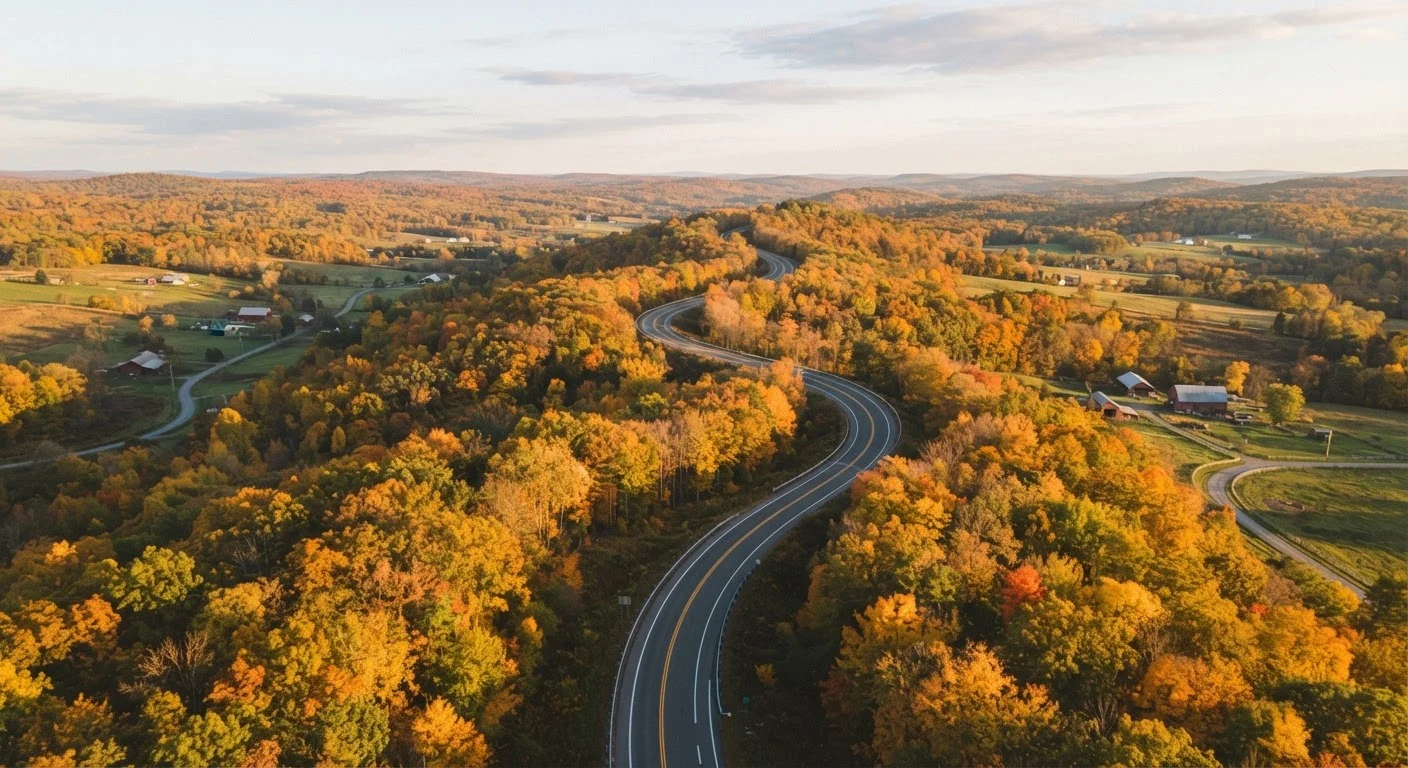
Photo: ShortwebArticles.com | Content For The Curious editorial
Key Takeaways
- Spring and fall shoulder seasons typically offer lower accommodation rates and thinner crowds at popular stops.
- Weather in shoulder season varies widely by region — research your specific corridor before committing to dates.
- Flexibility in your itinerary is the single biggest advantage a shoulder-season road tripper can have.
- Booking lodging midweek unlocks even further savings compared to weekend shoulder-season pricing.
- Some parks and attractions have reduced hours or limited services in spring and fall — verify before you go.
Why Shoulder Season Changes the Road Trip Equation
Peak summer gets all the marketing, but spring and fall frequently deliver a more comfortable, more affordable, and — for many routes — more visually stunning road trip experience. Accommodation rates tend to soften, gas station lines thin out, and the iconic overlooks that draw crowds from Memorial Day through Labor Day often feel genuinely peaceful just a few weeks earlier or later.
That said, shoulder season isn't a guaranteed upgrade on every corridor. Weather is less predictable, some facilities run on reduced hours, and the occasional unexpected closure can reshape a carefully planned day. The key is understanding your specific route's rhythm — and building a plan that turns variability into an asset rather than a problem.
Many common assumptions about when to travel don't hold up under scrutiny. Our piece on road trip myths that shape your plans is worth a read before you lock in your window. And if you're organizing around a longer planning horizon, our trip planning hub covers everything from budgeting to packing.
What you will need
What You'll Need Before You Start
Official National Park Service website (nps.gov)
Verify seasonal operating hours, entrance fees, and any closures along your route.
State tourism websites
Identify shoulder-season events, road conditions, and regional highlights specific to your corridor.
Offline maps app (downloaded before departure)
Navigate reliably through rural or low-signal stretches without relying on live data.
Weather service app or website
Monitor short-range forecasts for mountain passes, coastal routes, or other weather-sensitive segments.
Flexible lodging platforms (search for free-cancellation options)
Allow you to adjust overnight stops if weather or road conditions shift your plans.
How to Structure a Shoulder Season Road Trip
Choose your corridor and confirm its shoulder window
Not every region follows the same shoulder calendar. The Southwest desert corridor cools into a genuinely pleasant driving window from mid-October through early April, while New England's fall foliage peak — typically mid-September through late October — is one of the most dramatic shoulder-season experiences in the country. The Pacific Coast Highway can be foggy and cool through May but spectacular in June before summer crowds fully arrive.
Map your intended route first, then look up the typical climate and crowd patterns for that specific region. State tourism websites and the National Park Service are reliable starting points.
Build a loose itinerary with deliberate gaps
Shoulder season rewards flexibility. Overpacking your schedule is the most common mistake — and it costs you the spontaneity that makes off-peak travel special. Aim to firm up your start point, end point, and two or three anchor stops, then leave the middle days genuinely open. Our guide on why road trippers miss the best stops breaks down exactly how over-scheduling causes drivers to blow past memorable places.
A rough rule: plan no more than 250–300 miles of driving on any single day, and cap your confirmed reservations at roughly 60% of your nights.
Book anchor lodging early, leave gap nights flexible
For your two or three confirmed anchor stops, book in advance — shoulder season still fills up around weekends and local events. For gap nights, search for properties with free cancellation so you can confirm as little as 24–48 hours out once you know your actual position on the road.
Midweek nights (Sunday through Thursday) often carry meaningfully lower rates than weekends even in shoulder months. If your schedule has any give at all, shift your most expensive-area nights to midweek. For a broader planning timeline, see our trip planning guide from six months out.
Verify seasonal hours for every key attraction
This step catches more travelers off guard than any other. Visitor centers, park lodges, ferry services, scenic trams, and even some campgrounds operate on reduced hours — or close entirely — outside peak season. Check the official website for every stop you care about, not just the headline park entrance.
Make note of any stops requiring timed entry passes or reservations even in the off-peak window; some high-demand parks have shifted to reservation systems that apply year-round.
Prepare your vehicle for variable conditions
Shoulder season means weather variability — a single trip through the Rockies in October can deliver sunshine, rain, and a surprise dusting of snow within 48 hours. Before departure, confirm your tires have adequate tread depth and check that wiper blades, headlights, and your vehicle's heating system are all functional. Pack a small emergency kit with a flashlight, jumper cables or a jump starter, a basic first-aid kit, and an extra layer of clothing.
If your route crosses high elevation or remote stretches, carry extra water and a physical paper map as a backup. For a deeper look at whether your planned format matches your vehicle and comfort level, see our piece on coast-to-coast vs. regional loop trips.
Hit the road — and stay responsive to conditions
Once you're moving, let conditions guide small decisions. A rainy morning at your planned canyon viewpoint might be the perfect excuse to sleep in and drive the scenic loop in the afternoon when skies clear. Shoulder season travelers who treat their plan as a starting point rather than a contract consistently report better trips than those who try to execute a rigid schedule.
Check in with trip planning resources any time your route shifts significantly — updated conditions, local advice, and alternate routing ideas are worth a quick look at each overnight stop.
The Midweek Advantage Is Real
Common Shoulder Season Pitfalls to Avoid
Even well-prepared road trippers run into friction in shoulder months. Here are the patterns worth watching for:
- Assuming fall foliage timing is predictable. Peak color shifts by a week or more depending on temperature patterns in a given year. Build buffer days rather than targeting a single "peak" date.
- Underestimating spring road conditions in the West. Higher-elevation routes can remain snow-affected well into May. Always verify current road status through state DOT websites rather than relying on historical averages.
- Overlooking weekday vs. weekend pricing gaps. Even modest adjustments to which nights you spend where can produce meaningful savings without changing your overall route.
- Skipping small towns for speed. Shoulder season is when small-town main streets are most authentic — local businesses are open but not overwhelmed. Slow down and explore.
Verify Hours Directly — Don't Trust Third-Party Listings
For solo travelers, shoulder season adds an extra layer of planning value — quieter roads and cooperative locals make navigation easier. Our guide to solo road trips across America covers the safety and logistics side in detail.
The content on this site is for informational purposes only and is not a substitute for professional advice. Always consult a qualified professional for guidance specific to your situation.