
Road Trip Myths That Might Be Shaping Your Plans the Wrong Way

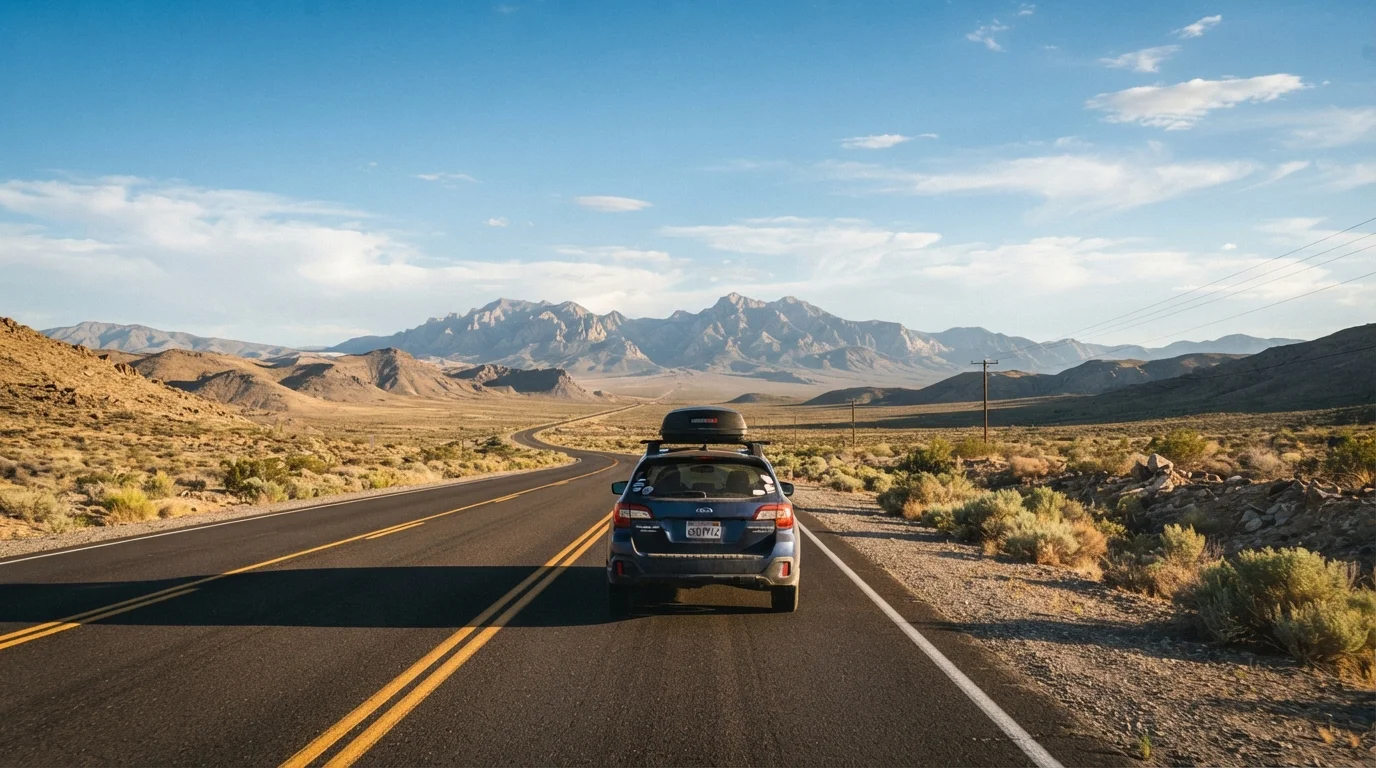
Photo: ShortwebArticles.com | Content For The Curious editorial
Key Takeaways
- You don't need an SUV or truck to road trip comfortably — many sedans and small cars handle routes just fine.
- Summer isn't always the ideal season; shoulder seasons often mean fewer crowds and lower costs.
- Spontaneous road trips can work well, but some basic pre-planning prevents the most common headaches.
- Solo road trips are manageable and well-supported with modern tools — isolation isn't inevitable.
- Road trips aren't automatically cheaper than flying once fuel, food, and lodging are factored in honestly.
Why Road Trip Myths Stick Around
Road trips are embedded in American culture — the open highway, the freedom to stop wherever you want, no airport lines. But that romantic image comes bundled with a surprising number of assumptions that quietly shape how people plan, budget, and even decide whether to go at all.
Some of these myths discourage perfectly doable trips. Others lead drivers to overspend, over-pack, or burn out before they reach the halfway point. Whether you're mapping a cross-country route or a three-day weekend loop, it's worth stress-testing what you think you know. For a fuller picture of how road trip costs actually stack up, see our breakdown of where the money really goes.
Myth
You need a large SUV or truck to road trip properly.
Fact
Most road trips are perfectly manageable in a standard sedan, compact car, or even a fuel-efficient hybrid.
The SUV assumption probably grew out of associations with camping gear and rugged terrain, but the vast majority of American road trip routes follow paved highways and well-maintained secondary roads. A compact car with decent trunk space handles most itineraries without strain. The real questions are: Does your vehicle have a reliable maintenance history? Are the tires in good condition? Those factors matter far more than vehicle class. If your route genuinely includes unpaved forest roads or mountain passes, check road conditions through official state DOT sources — but don't size up your vehicle based on worst-case assumptions about routes you haven't researched yet.
Myth
Road trips are always cheaper than flying.
Fact
Road trips can be cost-competitive, but they're not automatically cheaper once you factor in fuel, food, lodging, and vehicle wear.
The "road trips save money" belief often ignores the full cost picture. Fuel across a 2,000-mile round trip adds up fast, especially at current gas prices. Add two or three nights of lodging, meals on the road (which tend to cost more than eating at home), and any tolls or park entry fees, and the total can rival or exceed a budget flight. That doesn't make road trips a bad deal — the experience is different in kind, not just cost. But going in with an honest budget rather than an assumption of savings leads to better decisions. Our road trip budgeting guide covers each cost category in depth.
Myth
The best road trips require extensive, detailed planning.
Fact
Light planning — knowing your general route, key stops, and lodging options — is often enough, especially outside peak season.
Over-planning is a real phenomenon: some travelers spend more hours researching than they'll actually spend driving. What genuinely matters upfront is having a loose route, a sense of where you'll sleep each night, and a vehicle that's been recently serviced. The rest can flex as you go. That said, zero planning creates its own problems — arriving at a popular national park without a timed entry reservation, for example, can mean turning around at the gate. The sweet spot is structured flexibility: anchor points planned, details left open. Drivers who over-schedule often end up rushing past the best stops; our guide on why road trippers skip the best stops explains why.
Myth
Summer is the best time for a road trip.
Fact
Summer is the most popular time, but that popularity comes with higher costs, more traffic, and crowded destinations.
Peak summer travel — roughly late June through August — coincides with school breaks, which means National Park campgrounds book out months in advance, coastal towns double their prices, and interstate traffic slows to a crawl near major attractions. Spring and fall shoulder seasons frequently offer the same scenery with far fewer people and meaningfully lower accommodation rates. Fall foliage routes in New England, wildflower drives through the Pacific Northwest in May, or the Southwest desert in March are all experiences that arguably surpass their summer equivalents. Check weather patterns and regional event calendars before assuming summer is your only window.
Myth
Solo road trips are inherently risky or isolating.
Fact
Solo road trips are well-supported by modern tools and can be both safe and deeply rewarding with basic preparation.
The risk perception around solo driving often outpaces the reality. Most roadside emergencies — flat tires, dead batteries — are handled through roadside assistance programs, and navigation apps now provide real-time traffic and hazard alerts. Isolation is also largely optional: solo travelers routinely connect with others at campgrounds, hostels, and small-town diners in ways that group travel doesn't allow. The genuine preparation points are practical: share your itinerary with someone at home, keep your phone charged and a physical map as backup, and know your vehicle's basic needs. For a thorough look at the logistics, see our solo road trip planning guide.
Planning, Timing, and Who Road Trips Are Actually For
Beyond vehicle and budget myths, a lot of road trippers get tripped up by assumptions about timing and logistics. The belief that summer is the universal sweet spot, for instance, sends millions onto the same highways and into the same campgrounds simultaneously — driving up costs and crowding out the experience.
Shoulder season travel — think late September or early May — frequently delivers thinner crowds, mild weather, and noticeably lower accommodation rates at the same destinations. That's not a niche travel hack; it's just a calendar shift most people haven't considered.
Similarly, solo travel carries an outsized reputation for being risky or lonely. In reality, driving solo gives you complete schedule flexibility, and today's navigation apps, roadside assistance programs, and online traveler communities make it more manageable than ever. Our guide to solo road trips across America walks through the practical side in detail.
If you've been letting assumptions about vehicles, seasons, or solo travel hold back a trip you'd genuinely enjoy, it may be time to reconsider. And if road-trip caution has been steering you away from international travel too, the same kind of myth-busting applies — see our look at international travel myths that keep Americans from going for perspective.
Don't Skip Pre-Trip Vehicle Checks
The content on this site is for informational purposes only and is not a substitute for professional advice. Always consult a qualified professional for guidance specific to your situation.