
Myths About International Travel That Keep Americans from Going

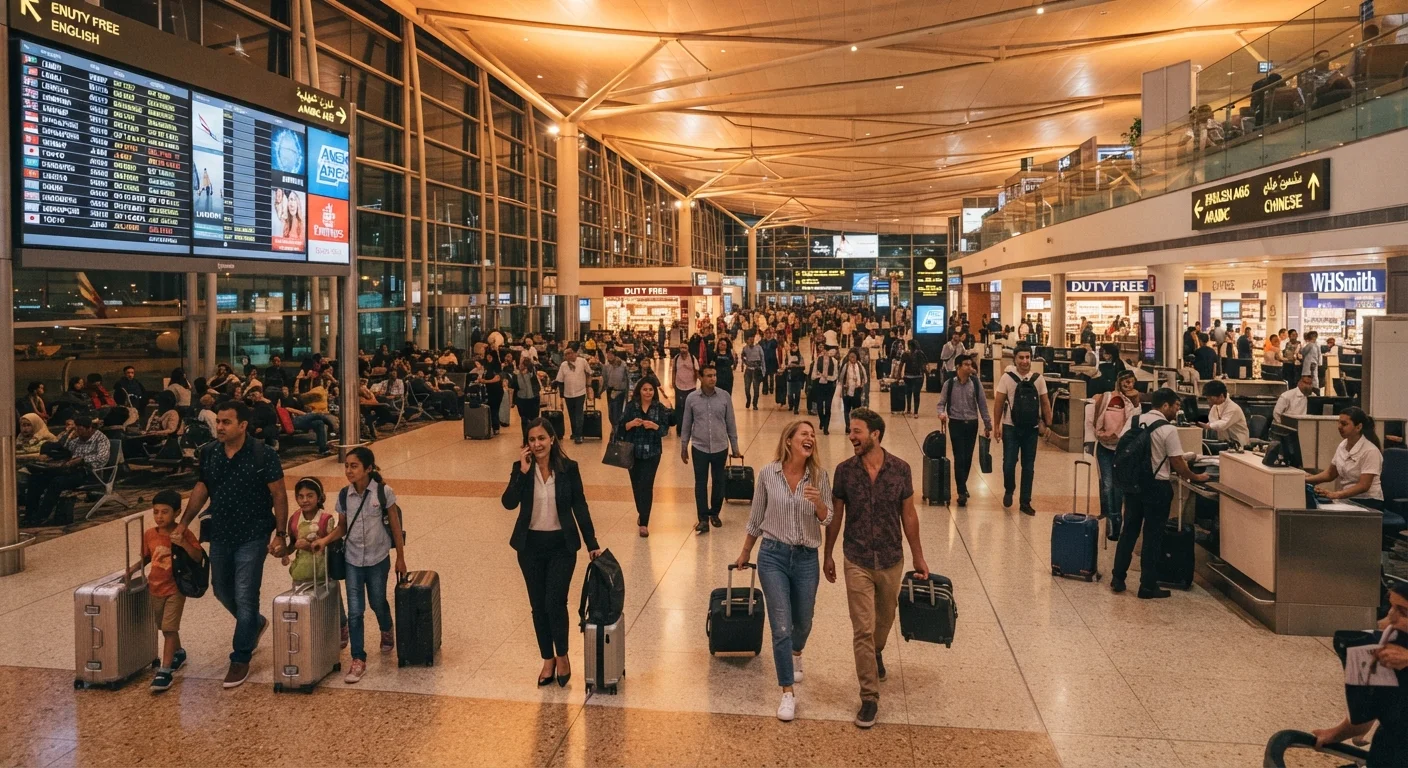
Photo: ShortwebArticles.com | Content For The Curious editorial
Key Takeaways
- International travel is far more affordable and accessible than most Americans assume.
- Many countries Americans avoid due to safety fears are statistically safer than perceived.
- A valid U.S. passport opens visa-free or visa-on-arrival access to dozens of countries.
- Language barriers abroad are rarely as paralyzing as first-timers fear.
- Travel insurance, not luck, is what makes overseas medical concerns manageable.
Why These Myths Have Such Staying Power
Fear is a great story. Headlines about travel disruptions, isolated incidents abroad, and sticker-shock flight prices get amplified while the millions of uneventful, transformative international trips Americans take every year go largely unnoticed. The result? A persistent set of beliefs that make the world feel far more dangerous, expensive, and complicated than it actually is.
The good news: most of these myths collapse under even modest scrutiny. Whether you're eyeing your first passport stamp or trying to talk yourself into a longer adventure, here's what the evidence actually looks like.
Myth
International travel is too expensive for an average American budget.
Fact
Destination and timing choices matter far more than the concept of "going international" itself — many international destinations cost less per day than major U.S. cities.
Transatlantic and transpacific fares have dropped significantly over the past decade with the expansion of budget carriers and increased competition on key routes. Beyond airfare, countries in Southeast Asia, Central America, Eastern Europe, and parts of the Caribbean routinely offer accommodation, food, and transportation at a fraction of what a comparable U.S. trip would cost. A week in Lisbon or Mexico City can be genuinely comparable in total cost to a long weekend in New York or San Francisco. The myth persists partly because people price international trips using assumptions built around peak-season, last-minute domestic travel habits. Planning further out changes the math considerably. For a reality check on booking timing specifically, see the truth behind common travel booking myths.
Myth
Most of the world is too dangerous for American tourists.
Fact
The U.S. Department of State assigns Level 1 (Exercise Normal Precautions) or Level 2 (Exercise Increased Caution) ratings to the majority of countries Americans visit most often — the same level of caution you'd apply in any unfamiliar city.
Travel advisories exist on a four-level scale, and Level 3 and 4 destinations — the ones that genuinely warrant avoiding — represent a small fraction of the world map. Countries like Japan, Portugal, Ireland, Costa Rica, New Zealand, and dozens of others sit at Level 1. The perception of universal danger abroad is partly shaped by news coverage that amplifies dramatic incidents while ignoring the vastly larger number of safe, unremarkable trips. Petty theft and scams do exist in tourist-heavy areas worldwide — including in the U.S. — and basic situational awareness applies anywhere. But conflating isolated risk with blanket danger prevents Americans from experiencing places that are, in many metrics, safer than parts of their home country.
Myth
You need to speak the local language to get around.
Fact
English is widely spoken in tourist infrastructure across most destinations Americans visit, and translation apps have made navigating unfamiliar languages more manageable than ever.
In most major cities and tourist regions, hotel staff, transport hubs, and restaurants catering to visitors will have English speakers or English signage. Beyond that, real-time translation apps — available offline once downloaded — can bridge significant communication gaps in markets, rural areas, or smaller towns. Learning a handful of polite phrases in the local language (greetings, thank you, excuse me) is genuinely appreciated and often reciprocated with warmth, but the idea that you must be conversationally fluent to travel safely and enjoyably simply doesn't reflect how most international trips unfold.
Myth
Getting sick or hurt abroad means financial disaster.
Fact
Travel insurance with medical coverage — including emergency evacuation — is widely available and, for most trips, costs a fraction of what a single overseas medical incident could otherwise run.
Many Americans don't realize that standard U.S. health insurance provides limited or no coverage outside the country. Medicare, for example, generally doesn't cover care abroad. This is a real gap — but it's a solvable one. Travel insurance policies can include emergency medical coverage and evacuation, which is the genuinely expensive scenario (medical evacuation flights can cost tens of thousands of dollars without coverage). Understanding what a policy actually covers before you buy is essential. What travel insurance for international trips actually covers walks through the key policy elements worth scrutinizing.
Myth
Americans need a visa for most countries, making trips complicated.
Fact
U.S. passport holders can enter a large number of countries visa-free or with a simple visa-on-arrival process — no advance embassy appointment required.
The U.S. passport consistently ranks among the more powerful travel documents globally, granting visa-free or visa-on-arrival access to a significant portion of the world's countries. The Schengen Area alone covers 27 European countries under a single short-stay framework for American visitors. Many popular destinations in the Caribbean, Southeast Asia, and Latin America also require no advance visa. Where visas are required, the process for American citizens is often straightforward and online-based. Always verify current entry requirements through official government sources — both the U.S. State Department and the destination country's embassy — before booking, as rules can change.
What Smart International Travel Actually Looks Like
Being prepared isn't the same as being afraid. Smart international travelers verify entry requirements with official sources — the U.S. Department of State and the destination country's embassy website are your ground truth, not travel forums. They check travel advisories (Level 1 and 2 destinations cover a huge portion of the globe), carry copies of important documents, and get a sense of local customs before arrival. Our guide to international etiquette is a solid starting point for that last piece.
Prescription Medications May Be Restricted Abroad
For a deeper dive into practical first-trip logistics — customs forms, currency, SIM cards — what no one thinks to tell first-time international travelers covers exactly what gets overlooked. The world isn't waiting for you to be fearless. It's just waiting for you to show up.
The content on this site is for informational purposes only and is not a substitute for professional advice. Always consult a qualified professional for guidance specific to your situation.