
Things Americans Frequently Get Wrong About International Etiquette

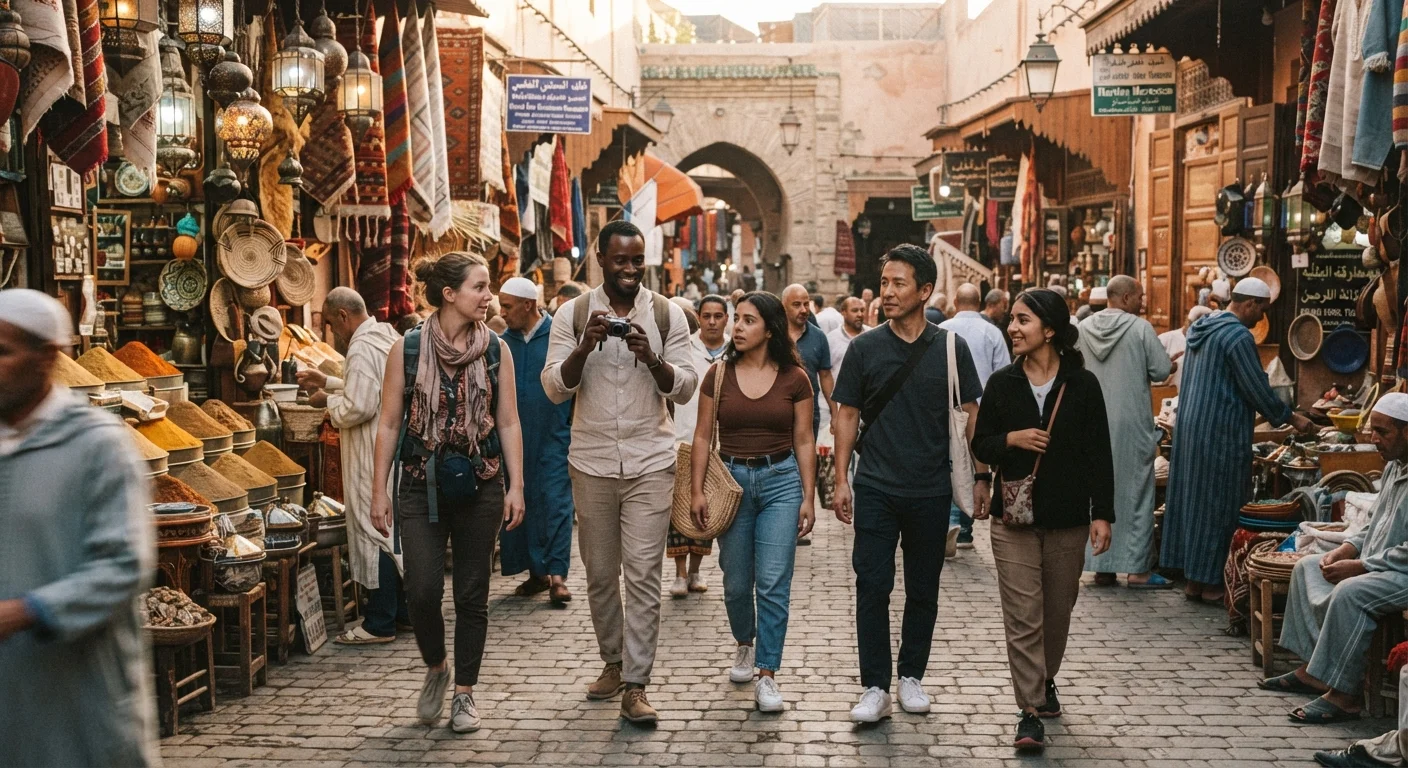
Photo: ShortwebArticles.com | Content For The Curious editorial
Key Takeaways
- Tipping is expected in the US but can be considered rude or confusing in many other countries.
- Casual American friendliness — like first-name greetings — may come across as disrespectful in formal cultures.
- Dining customs, personal space, and dress codes vary dramatically from country to country.
- A little research into local etiquette goes a long way toward being a welcome guest.
Why Americans Tend to Step in It Abroad
Most cultural missteps aren't rooted in arrogance — they come from habit. When you've grown up with a specific set of social norms, those habits travel with you whether you intend them to or not. The good news: awareness is genuinely half the battle. Understanding why these mistakes happen makes them much easier to avoid.
If you're planning your first trip beyond US borders, pairing this guide with a broader overview of international travel logistics is a smart move. The practical knowledge first-timers wish they'd had — from customs forms to currency — can keep you from feeling overwhelmed before you've even landed.
Tipping automatically — or not tipping when it's expected.
Speaking loudly in public spaces.
Using first names or casual greetings too quickly.
Ignoring dress codes at religious or cultural sites.
Assuming English is the universal fallback — and not trying the local language.
Treating dining as a quick transaction rather than a social experience.
How a Little Prep Changes Everything
The travelers who navigate cultural differences most gracefully aren't necessarily the most seasoned — they're the most curious. Even a 30-minute read on your destination's social customs can shift your entire experience from stumbling outsider to respectful guest.
Etiquette Missteps Can Have Real Consequences
Beyond etiquette, it's worth examining whether any lingering fears or assumptions are shaping how you plan in the first place. Many Americans hold back from international travel for reasons that don't hold up to scrutiny — the myths about international travel that keep Americans from going are more common than you'd think, and worth addressing head-on.
41%
Americans with a valid passport
According to the U.S. State Department, roughly 41% of Americans held a valid passport as of recent years — meaning many travelers heading abroad are doing so for the first time or infrequently.
1 in 3
Travelers who research local customs beforehand
Surveys by travel industry researchers have suggested that a substantial share of travelers do minimal or no research into cultural etiquette before an international trip.
The goal isn't perfection — it's genuine respect and a willingness to learn. Locals around the world tend to be forgiving of honest mistakes made by visitors who are clearly trying. Go curious, go humble, and you'll find the world opens up considerably.
The content on this site is for informational purposes only and is not a substitute for professional advice. Always consult a qualified professional for guidance specific to your situation.