
Lesser-Known American Road Trip Destinations Worth the Detour

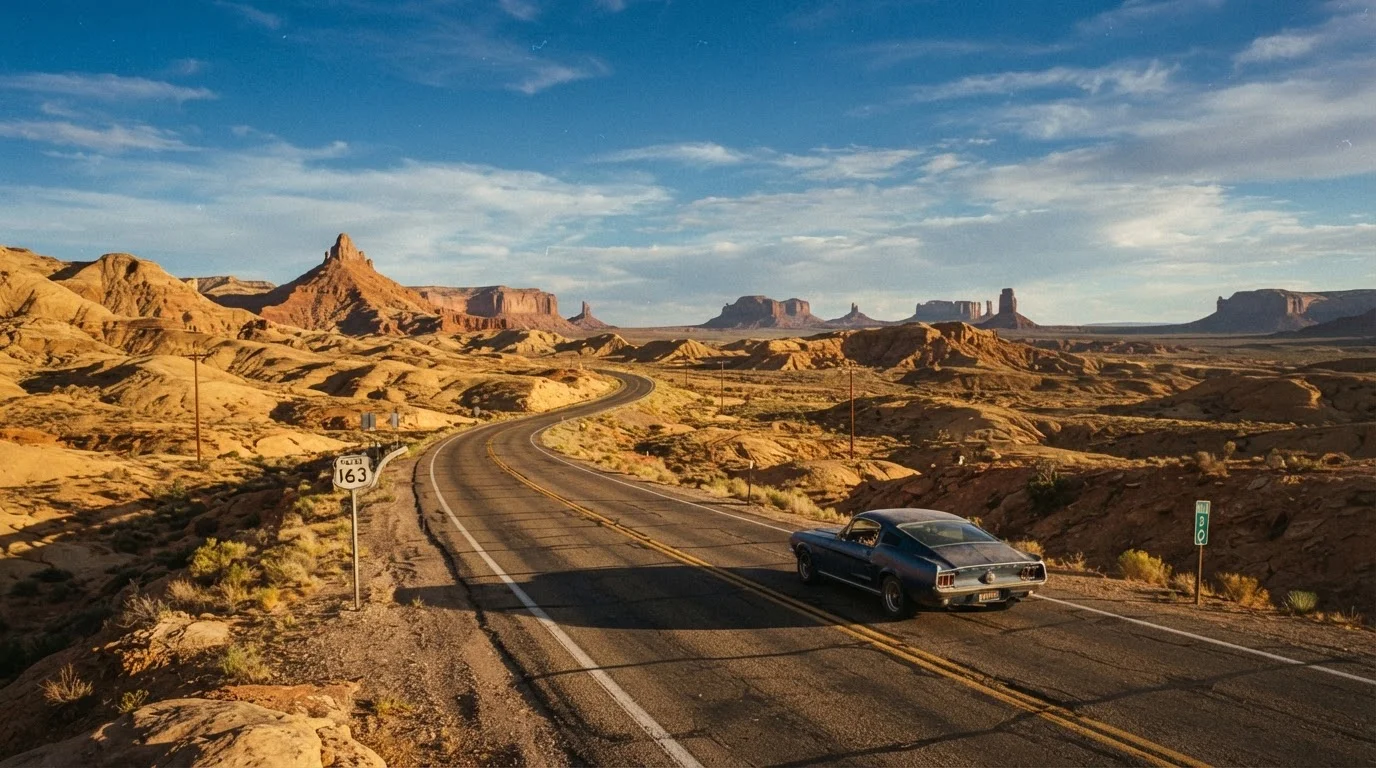
Photo: ShortwebArticles.com | Content For The Curious editorial
Key Takeaways
- Some of the most rewarding American road trip destinations sit just off well-worn interstate corridors.
- Lesser-known routes often mean fewer crowds, lower costs, and more authentic local encounters.
- Flexibility and a willingness to linger are the two biggest advantages any road tripper can carry.
- Small towns, scenic byways, and overlooked state parks can rival—or surpass—famous national landmarks.
- Planning loose itineraries rather than rigid schedules makes unexpected detours much easier to embrace.
The Road Less Traveled Is Still Out There
Everyone knows about Route 66, the Pacific Coast Highway, and the Blue Ridge Parkway. They're iconic for good reason—but they're also crowded, heavily marketed, and occasionally more postcard than reality. The good news? This country is enormous, and its most memorable stretches don't all come with a gift shop attached.
If you're ready to peel off the obvious routes and find places that feel genuinely discovered, you don't need a bigger budget or a longer vacation. You mostly need curiosity and the willingness to slow down. Our guide to scenic routes vs. interstates breaks down exactly how to balance efficiency with exploration — a useful read before you map your next drive.
The destinations below aren't secret in any gatekeeping sense. They're simply overlooked — passed over in favor of the obvious, the heavily photographed, or the algorithmically recommended. Each one rewards travelers who give it a genuine chance.
Use State Scenic Byway Maps
7 Overlooked Destinations Worth Adding to Your Route
The Enchanted Circle, New Mexico
This 84-mile loop through northern New Mexico's Sangre de Cristo Mountains connects Taos with small communities like Eagle Nest, Cimarron, and Red River. The elevation swings dramatically, the volcanic landscape is otherworldly, and the entire route can be driven in a day — or stretched into a weekend with stops at Wheeler Peak or the D.H. Lawrence Ranch historic site.
Because most visitors to Taos stick to town, the Enchanted Circle itself often sees light traffic. You'll find independent diners, small motels, and scenery that genuinely competes with much more famous southwestern drives.
The Enchanted Circle packs 84 miles of dramatic mountain scenery with remarkably light tourist traffic.
The Upper Peninsula of Michigan
Michigan's Upper Peninsula — known locally as the U.P. — is one of the most underestimated stretches of road trip territory in the entire Midwest. US-2 hugs the northern shore of Lake Michigan and then Lake Superior, offering views that feel genuinely Scandinavian in their quiet grandeur.
Pictured Rocks National Lakeshore, Tahquamenon Falls, and the Keweenaw Peninsula are all accessible from this corridor. Small towns like Munising and Marquette have real local character, affordable lodging, and far fewer visitors than comparably scenic destinations out West.
Michigan's Upper Peninsula offers Great Lakes shoreline scenery and genuine small-town character with minimal crowds.
US-89 Through Arizona and Utah
While the crowds funnel toward the Grand Canyon's South Rim and Zion's shuttle-dependent trails, US-89 between Flagstaff and Kanab cuts through some of the most striking geography in North America — with far less congestion. The route passes Vermilion Cliffs, the Navajo Nation, and the access road to the North Rim of the Grand Canyon, which sees a fraction of the South Rim's visitors.
The small town of Kanab, Utah makes an excellent base and has grown into a low-key food and arts scene that locals clearly care about. Verify current road conditions and any entry requirements for tribal lands before you go.
US-89 from Flagstaff to Kanab threads through world-class geology that most tourists completely bypass.
The Ozark Highlands, Arkansas and Missouri
The Ozarks are genuinely beautiful — rolling forested hills, clear spring-fed rivers, and towns with deep musical and craft traditions — yet they rarely appear on national road trip shortlists. Arkansas's Scenic Highway 7 runs north-south through the heart of the region and is one of the most consistently rewarding state drives in the country.
Buffalo National River, the first national river designated in the U.S., offers paddling, swimming, and hiking along limestone bluffs with almost no entry hassle. Towns like Eureka Springs, Arkansas have an eclectic, artsy character that surprises most first-time visitors.
Arkansas's Highway 7 through the Ozarks offers forested hills and river scenery that rivals more famous destinations.
The Loneliest Road: US-50 Across Nevada
US-50 earned the nickname "the Loneliest Road in America" from a 1986 Life magazine article that called it a route with "no points of interest." Nevada's tourism board turned that into a badge of honor, and the route genuinely rewards travelers comfortable with solitude and scale.
The highway passes through small mining towns like Ely and Austin, crosses multiple mountain ranges, and stretches across valley floors so flat and wide they feel like standing water. The Great Basin National Park — home to ancient bristlecone pines and a cave system — sits just off the route and draws a small fraction of the visitors that comparably spectacular parks receive.
US-50 across Nevada is one of the few remaining stretches of American highway where solitude is virtually guaranteed.
The Mississippi Delta, US-61
US-61 — the "Blues Highway" — runs from Memphis south through Clarksdale, Greenwood, and Vicksburg, threading through the Mississippi Delta's flat cotton fields and small towns that are foundational to American music history. This is not glamorous travel in the conventional sense, but it is profoundly interesting.
The Delta Blues Museum in Clarksdale is modest in size but substantial in content. Independent juke joints still operate in some towns, particularly on weekend nights. The landscape itself — vast, flat, overtaken by sky — is unlike anything else in the country, and meals here are often extraordinary and inexpensive.
US-61 through the Mississippi Delta connects travelers to landscapes and music history that shaped American culture.
The Oregon Outback: Highway 395 South
Most Oregon visitors think coast, Crater Lake, or Portland. But Oregon's southeastern quadrant — high desert, fault-block mountains, and working ranch towns — is one of the least-visited corners of the Lower 48. Highway 395 south of John Day passes through Hart Mountain National Antelope Refuge, the summer alkali flats of the Alvord Desert, and Steens Mountain, a fault-block range with a summit road that rises steeply to sweeping panoramic views.
Services are sparse and distances are real — this is genuine frontier driving. For solo travelers in particular, preparation matters more here than almost anywhere else in the continental U.S. Our solo road trip planning guide is worth reviewing before tackling remote western routes like this one.
Oregon's southeastern high desert is one of the most remote, visually stunning, and genuinely uncrowded drives in the Lower 48.
Verify Conditions Before You Go
How to Make the Most of Any Detour
Discovering an overlooked destination is one thing — actually enjoying it requires a different kind of travel mindset. The biggest mistake most drivers make is treating a detour like a delay rather than a destination. If you're constantly calculating the miles back to the main route, you'll miss what made the place worth stopping for in the first place.
Build margin into every driving day. Two or three hours of unscheduled time isn't inefficiency — it's the raw material of a great road trip story. For a deeper look at why so many drivers blow past the very spots they'd have loved, check out our piece on why road trippers keep skipping the best stops.
Whether you're going solo or with a carful of people, the approach is the same: hold the itinerary loosely, ask locals where they actually eat, and resist the temptation to photograph everything before you've had a chance to simply look at it. If you're heading out for the first time, our first-time road tripper's guide covers the practical essentials from route planning to packing to managing costs on the road.
The content on this site is for informational purposes only and is not a substitute for professional advice. Always consult a qualified professional for guidance specific to your situation.