
America by Car: Everything First-Time Road Trippers Need to Know

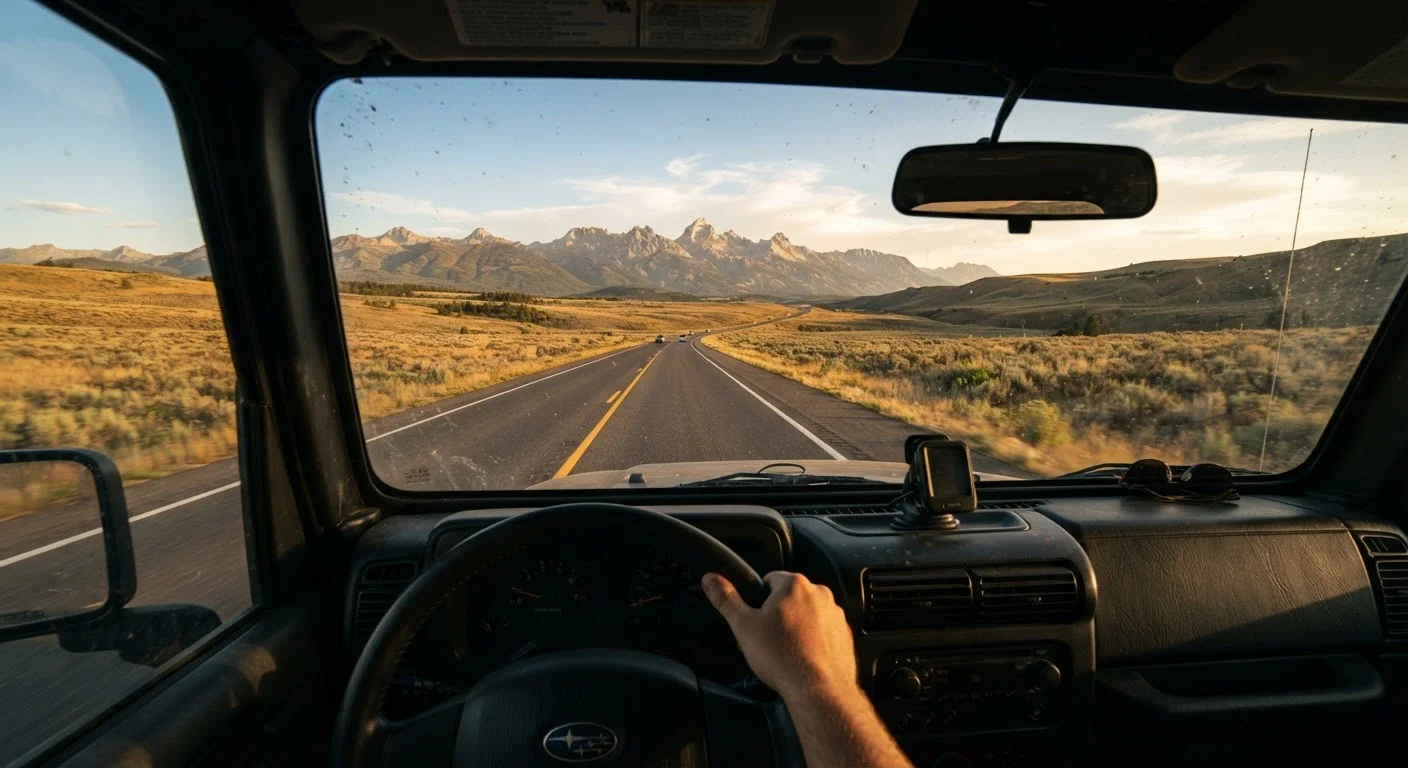
Photo: ShortwebArticles.com | Content For The Curious editorial
Key Takeaways
- Road tripping lets you set the pace, change plans freely, and reach places no flight can take you.
- Pre-trip vehicle checks are essential — tires, fluids, brakes, and emergency gear should all be verified beforehand.
- Realistic daily driving limits (around 300–400 miles) make trips far more enjoyable and safer.
- Fuel, lodging, and food are the three biggest cost drivers — budgeting for each reduces surprises.
- Solo or family road trips require different planning approaches, but the fundamentals are the same.
- Always verify road conditions, entry requirements for parks, and weather forecasts before departure.
Why Road Tripping Is One of the Best Ways to See America
Flying gets you there fast. Road tripping gets you there — the mountains, the diners, the small towns with hand-painted signs you'd never have found otherwise. America's highway system is genuinely one of the great wonders of the country, and it's sitting right outside your door.
The appeal is practical, too. You control the schedule. You can detour on a whim, skip the baggage fees, and bring the family dog. For many travelers, road tripping is far more affordable per-person than air travel once you factor in everything flying actually costs. It's also one of the few travel formats where the journey itself is the experience.
If you've never done it before, the idea of a long-distance drive can feel daunting. This guide walks you through every stage — from picking a route to keeping your cool at hour six on the interstate. For a broader trip-planning foundation, our first-timer's trip planning walkthrough is a great companion read.
Choosing Your Route and Destination
The single biggest mistake first-timers make is over-planning distance and under-planning experience. Pick a destination that's reachable without driving yourself ragged — then build your route around what you actually want to see, not just the fastest path.
Consider what kind of scenery excites you: coastal cliffs, desert flatlands, mountain switchbacks, or rolling farmland. America has all of it, and each region has its own rhythm. Our guide to iconic US road trip routes breaks down famous corridors like Route 66, the Pacific Coast Highway, and the Blue Ridge Parkway so you can find the one that matches your travel style.
Once you have a rough route, think in legs — not just a start and end point. Map out where you'll spend each night, identify a few anchor stops (national parks, cities, roadside attractions), and leave buffer days for spontaneous detours. Rigidity is the enemy of a great road trip.
Understand the Roads You'll Be Driving
If you're uncertain about highway numbers and road classifications you'll see on maps, our explainer on the federal highway system demystifies interstates, US routes, and state highways.
Getting Your Car (and Yourself) Ready
Your vehicle is your home base for the whole trip — it needs to be trustworthy. Before any long drive, check these essentials:
- Tires: Inspect tread depth and pressure, including the spare. Underinflated tires reduce fuel efficiency and handling.
- Fluids: Oil, coolant, brake fluid, windshield washer fluid — all should be at correct levels.
- Brakes and lights: Both headlights and brake lights must be fully functional, especially if you're driving through varied terrain or at night.
- Battery: If your battery is more than three years old, have it tested before a long haul.
The driver's readiness checklist covers every mechanical and safety item worth reviewing before departure. Don't skip it — roadside breakdowns are stressful and expensive, and most are preventable.
Also prepare yourself, not just the car. Get a full night's sleep before your first driving day. If you're going solo, inform someone at home of your itinerary and check in regularly. Fatigue is one of the leading contributors to highway accidents.
What to Pack and What to Skip
Overpacking is almost universal among first-timers. A helpful rule: if you're not sure you'll need it, you probably won't. Prioritize space for safety items, which are non-negotiable.
Your car should always carry:
- A roadside emergency kit (jumper cables or a jump starter, reflective triangles, a flashlight, and basic tools)
- A first-aid kit
- Vehicle documents: registration, proof of insurance, and your license
- Paper maps or a downloaded offline map as a backup to GPS
- Water — at least one gallon per person, more in desert regions
- Snacks and a small cooler for longer stretches between towns
For the complete reference list, see what to keep in your car on every road trip. If you're traveling with children, making long drives work for families has specific packing and activity strategies.
Dispersed camping
Camping outside of designated campgrounds on public land, such as national forests or Bureau of Land Management areas. It's often free or very low cost, but rules vary by region — always check with the managing agency first.
Dead reckoning
Estimating your position and route using known speed, direction, and elapsed time — useful when GPS or cell service fails on remote stretches of road.
Interstate vs. US Route
Interstates are federally funded divided highways built for high-speed travel between cities. US Routes are an older network of roads that often pass through towns and offer more varied scenery and local character.
Roadside emergency kit
A set of tools and supplies kept in the vehicle to handle common breakdowns or accidents — typically including jumper cables, a flashlight, reflective triangles, and a basic first-aid kit.
Trip leg
A single driving segment between two planned stops on a longer journey. Breaking a road trip into legs helps manage daily mileage and keeps the trip from feeling overwhelming.
Managing Costs on the Road
Road trips can be remarkably affordable — or surprisingly expensive — depending on how you plan. The three main cost drivers are fuel, lodging, and food.
Fuel: Calculate your vehicle's average miles per gallon and multiply by your total route mileage to estimate fuel cost. Apps and websites that track real-time fuel prices by region can help you identify where to fill up strategically.
Lodging: Camping or staying in budget motels dramatically lowers your nightly costs compared to hotels. Many national forests and Bureau of Land Management areas offer free or low-cost dispersed camping — a genuine option if you have the gear. Booking ahead for popular destinations during peak season is strongly advised.
Food: Eating out every meal adds up fast. Packing a cooler with groceries and cooking at campgrounds or picnic areas is one of the most effective ways to manage the budget without sacrificing enjoyment.
Always Budget for the Unexpected
Also plan for unexpected costs: a flat tire, an unplanned extra night, a toll road you didn't anticipate, or a parking fee at a national park. Having a buffer of a few hundred dollars set aside for the unexpected is a smart precaution, not pessimism.
Staying Safe and Sane on Long Drives
Long driving days are exhausting in ways that sneak up on you. Keep daily mileage realistic — the 300–400 mile range gives you time to stop, explore, and arrive before dark. Never drive drowsy; if you feel yourself fading, pull over and rest.
Interstate rest areas are there for a reason — use them every two hours or so to stretch, hydrate, and reset. On rural or remote routes, note in advance how far you are from the nearest gas station, cell service, or hospital. Download offline maps before entering areas with spotty reception.
Weather can change fast in certain regions — mountain passes can experience snow even in late spring, and desert heat can spike into dangerous territory in summer afternoons. Check forecasts for every leg of your route, not just your departure point. Verify road conditions with official state department of transportation websites or apps before driving through unfamiliar terrain.
Road tripping is one of the most rewarding travel formats Americans have access to. Take it seriously enough to prepare well, then relax and enjoy every mile. The open road has a way of delivering exactly what you were hoping for — and a few surprises you weren't.
This article is for general informational purposes only. Road conditions, costs, and regulations vary by location and time. Always verify entry requirements, road conditions, and safety information with official sources before traveling.
Frequently Asked Questions
The content on this site is for informational purposes only and is not a substitute for professional advice. Always consult a qualified professional for guidance specific to your situation.