
What a Pre-Purchase Inspection Actually Covers — and Why It Matters

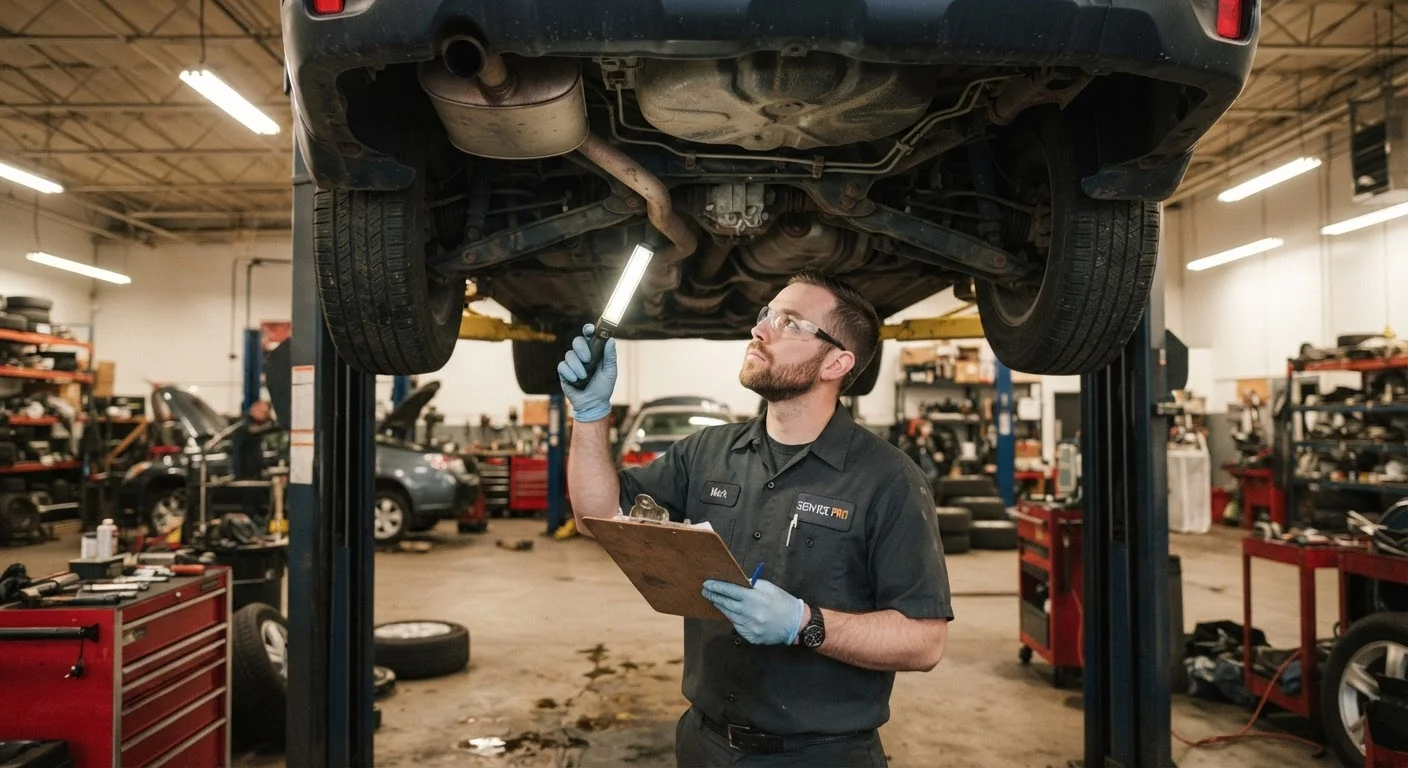
Photo: ShortwebArticles.com | Content For The Curious editorial
Key Takeaways
- A pre-purchase inspection is conducted by an independent mechanic, not the seller's dealership.
- Inspectors evaluate the engine, transmission, brakes, suspension, tires, and body for signs of wear or damage.
- A PPI does not guarantee a vehicle is problem-free — it reflects condition at that moment in time.
- Most inspections cost between $100 and $200 and can save thousands in unexpected repair bills.
- Items like internal engine wear and intermittent electrical faults can be difficult or impossible to catch during a standard inspection.
What Inspectors Actually Examine
A thorough pre-purchase inspection typically covers four broad areas: mechanical systems, structural integrity, safety components, and visible body condition. Here's what a qualified technician will generally evaluate:
- Engine and drivetrain: The mechanic checks for fluid leaks, worn belts and hoses, signs of overheating, and unusual engine noises. They'll also inspect the transmission for rough shifting or slipping.
- Brakes and suspension: Brake pad thickness, rotor condition, and caliper function are checked, along with steering components, shocks, and struts for wear.
- Tires and wheels: Uneven tread wear can signal alignment problems or suspension issues beyond just needing new tires.
- Undercarriage: The vehicle is put on a lift so the inspector can look for rust, frame damage, leaking seals, and signs of previous collision repair.
- Electrical systems: Lights, power windows, the air conditioning, and dashboard warning indicators are tested.
- Body and paint: Panel gaps, paint overspray, and inconsistent panel color can indicate prior bodywork — sometimes following an accident not captured in a history report.
The inspector may also perform a test drive to assess real-world behavior under acceleration, braking, and turning. See our pre-purchase checklist for used cars for a buyer-side walkthrough you can do yourself before arranging a professional inspection.
Choose an Independent Shop, Not the Seller's
What a PPI Won't Catch
Understanding a pre-purchase inspection's limitations is just as important as knowing what it covers. No inspection is a guarantee, and some problems are genuinely difficult to detect during a standard evaluation.
- Internal engine wear: A mechanic can't see inside the engine without disassembly. Worn piston rings or camshaft issues may only reveal themselves through performance over time or via a compression test — which not all inspectors perform by default.
- Intermittent electrical faults: A problem that only appears under specific conditions — a sensor that misbehaves in cold weather, for example — may not trigger during inspection.
- Transmission internals: Like the engine, the internal clutch packs and valve body are only partially assessable without a teardown.
- Future failure: A component at 70% of its lifespan won't necessarily fail during inspection, but it may fail shortly after purchase.
This is also why a vehicle history report should accompany any PPI. The two tools are complementary — one shows what happened to the car in the past, the other shows what condition it's in right now.
Scope Varies by Inspector
How to Use the Inspection Report
Once the mechanic completes the evaluation, you'll receive a report — sometimes written, sometimes verbal — summarizing findings. Here's how to make the most of it:
Separate urgent from advisory items. Most reports will distinguish between issues that need immediate attention and items to monitor over time. A failing CV axle is different from slightly worn wiper blades.
Get repair estimates before negotiating. If the inspection turns up a problem, call a shop for a rough repair cost estimate. That number becomes a concrete basis for negotiating the sale price down — or for asking the seller to fix it first.
Know when to walk away. Significant structural damage, a rebuilt title with unknown history, evidence of a flooded vehicle, or a long list of deferred maintenance are all legitimate reasons to decline. No deal is good enough to justify inheriting a car with serious hidden problems.
$100–$200
Typical PPI cost range
Industry estimates from automotive consumer resources consistently place standard pre-purchase inspections in this range, varying by region and vehicle type.
~40%
Used cars with undisclosed issues
Consumer advocacy research suggests a significant share of used vehicles sold privately have mechanical or structural issues not disclosed upfront by the seller.
The logic here is similar to what happens in real estate — just as a home inspection report can reveal costly surprises before closing, a vehicle inspection report gives you factual leverage and an informed exit option. The inspection fee is always cheaper than discovering a major problem after the title is in your name.
This article is for general informational purposes only. Specific inspection scope and findings vary by inspector, vehicle, and condition. Consult a qualified mechanic or automotive professional for advice tailored to a specific vehicle.
Frequently Asked Questions
The content on this site is for informational purposes only and is not a substitute for professional advice. Always consult a qualified professional for guidance specific to your situation.