
What Home Inspectors Actually Look For

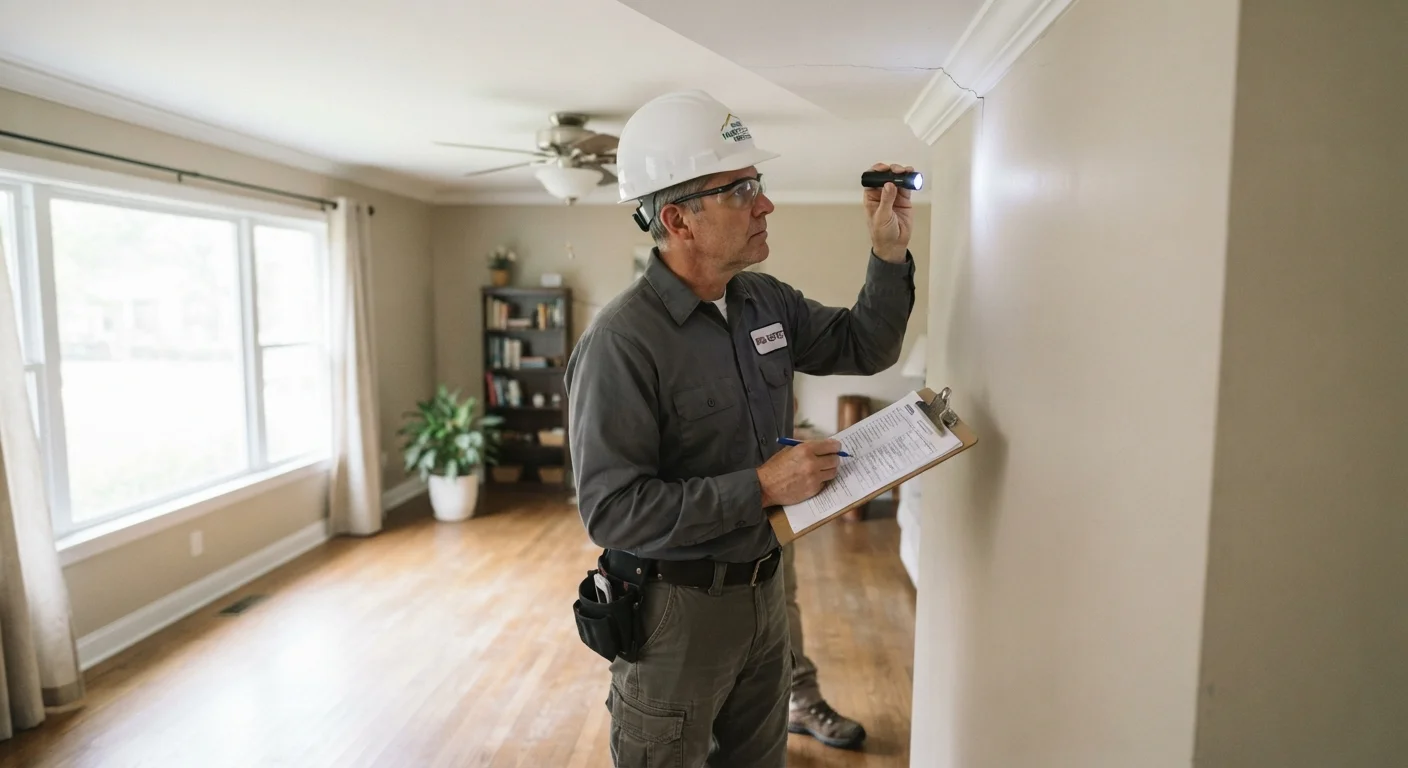
Photo: ShortwebArticles.com | Content For The Curious editorial
Key Takeaways
- A home inspection is a visual assessment — inspectors cannot see inside walls or underground systems.
- Inspectors evaluate the roof, foundation, electrical, plumbing, HVAC, and more in a single visit.
- The inspection report is a negotiating tool, not a pass/fail verdict on the home.
- Certain issues — like mold, pests, or radon — require separate, specialized testing.
- Being present during the inspection lets buyers ask questions and understand findings in real time.
- Not every flagged item is a dealbreaker; context and severity matter when interpreting results.
What a Home Inspector Actually Evaluates
A licensed home inspector conducts a systematic, visual review of a home's accessible components — meaning anything they can see, touch, or safely test without opening walls or excavating the yard. The typical inspection covers seven major areas:
- Roof and attic: Shingles, flashing, gutters, ventilation, and signs of water intrusion or structural sagging.
- Foundation and structure: Visible cracks, settling, moisture in the basement or crawl space, and the overall integrity of load-bearing elements.
- Electrical system: The main panel, wiring types, grounding, GFCI outlets in wet areas, and any visible code concerns.
- Plumbing: Water pressure, drainage, supply lines, water heater condition and age, and signs of leaks or corrosion.
- HVAC systems: Heating and cooling equipment, filters, ductwork, age of units, and functional operation.
- Interior surfaces: Walls, ceilings, floors, windows, and doors — checked for water staining, cracks, and operational issues.
- Exterior: Siding, grading (whether the ground slopes away from the foundation), driveways, decks, and attached structures.
Inspectors follow standards of practice set by professional bodies and document findings with photos and written descriptions. The result is a detailed report — often 30 to 60 pages — that becomes a critical reference for buyers.
Inspection vs. Appraisal: Not the Same
What Falls Outside the Scope
Just as important as what inspectors cover is what they don't cover. Standard inspections are non-invasive and visual. They cannot detect issues hidden inside walls, beneath flooring, or underground. Common exclusions include:
- Mold and air quality testing — requires a certified industrial hygienist or environmental consultant.
- Pest and termite inspections — a separate licensed pest inspector is needed, and some lenders require this for certain loan types.
- Radon and asbestos — both require specialized testing by qualified professionals.
- Septic systems and private wells — typically require their own inspection and water testing.
- Chimney interiors — a chimney sweep or certified chimney inspector provides more thorough evaluation.
If an inspector notices signs that suggest any of these concerns — such as discoloration that could indicate mold, or wood damage consistent with termite activity — they will flag it and recommend a specialist. Think of the general inspection as a starting point, not a complete diagnostic.
Attend the Inspection in Person
How to Use the Report Strategically
Receiving an inspection report filled with dozens of items can feel alarming, but context matters enormously. Inspectors are thorough by design — they note even minor maintenance items alongside genuinely significant concerns. The key is distinguishing between the two categories.
Items that warrant serious attention typically involve safety hazards (exposed wiring, missing smoke detectors), major systems nearing the end of their useful life, or evidence of water intrusion affecting structural elements. These often justify requesting repairs or a credit from the seller.
Items that are routine maintenance — a worn caulk seal around a tub, a sticking window, or an aging but functional water heater — are part of normal homeownership. They are worth knowing about but rarely grounds for renegotiation on their own.
Buyers who understand the local market context interpret reports more effectively. See our guide to reading a real estate market report for broader context on how market conditions can influence negotiating leverage after an inspection.
If the report reveals deferred maintenance or items requiring licensed work, research what's involved before planning repairs. Our guide to hiring a contractor covers the right questions to ask before any professional work begins. For context on what permits or inspections may be needed afterward, see what a building permit actually covers.
~86%
Buyers who get a home inspection
According to the National Association of Realtors' Profile of Home Buyers and Sellers, a large majority of buyers have a home inspection done as part of their purchase process.
$300–$500+
Typical inspection cost range
Inspection fees vary by region, home size, and inspector credentials; larger or older properties often cost more to inspect.
30–60 pages
Average length of an inspection report
Modern inspection reports are photo-rich and detail every system reviewed, which can make them feel daunting but provides buyers with a thorough record.
Frequently Asked Questions
The content on this site is for informational purposes only and is not a substitute for professional advice. Always consult a qualified professional for guidance specific to your situation.