
Home Improvement

Hiring a Contractor: What to Ask Before Anyone Touches Your Home

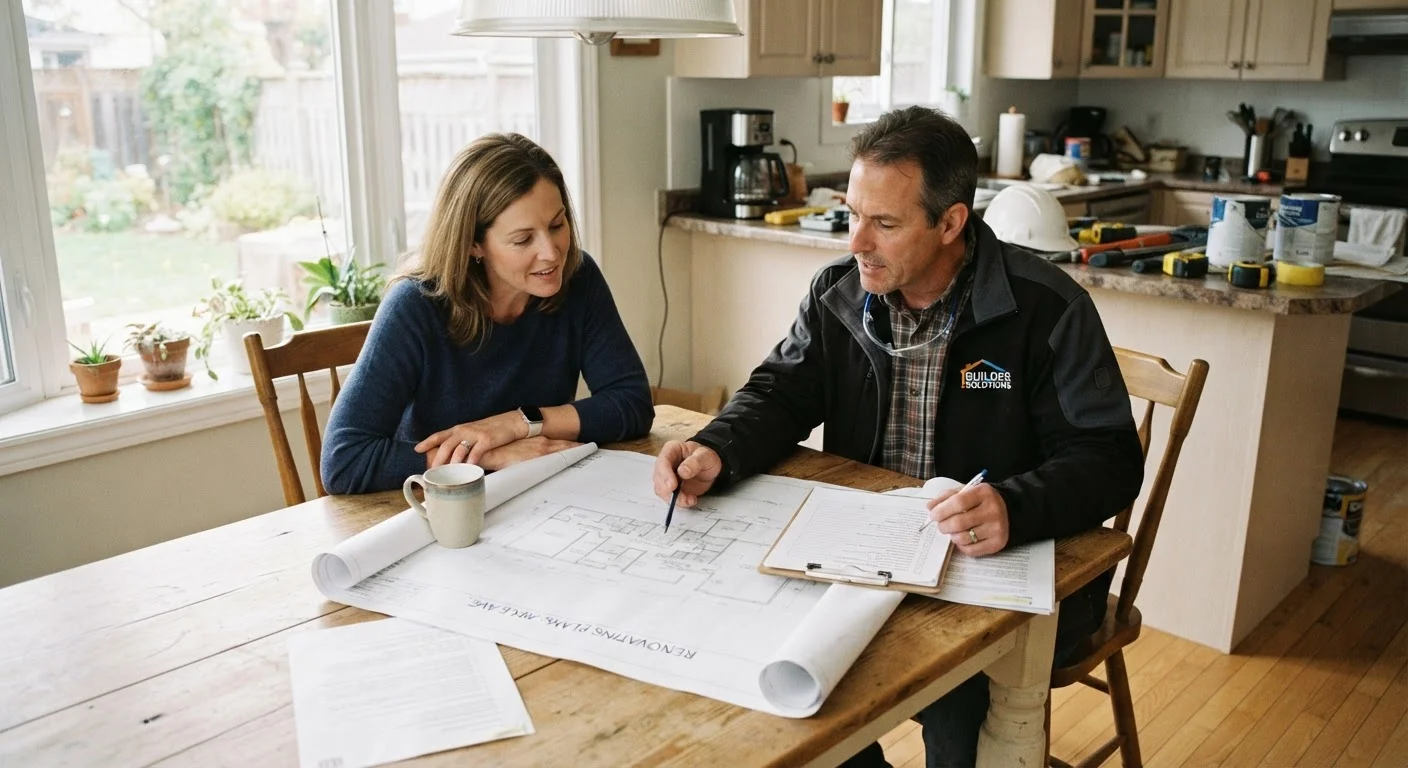
Hiring a Contractor: What to Ask Before Anyone Touches Your Home

Photo: ShortwebArticles.com | Content For The Curious editorial

Protect your project and your wallet. These are the questions every homeowner should ask a contractor before signing anything or handing over a deposit.

Key Takeaways

  • Verify a contractor's license and insurance before any work begins — not after.
  • Get at least three written quotes and understand exactly what each one includes.
  • Never pay more than 10–30% upfront; large deposits are a common warning sign.
  • Permits are the contractor's responsibility to pull — confirm this in writing.
  • A clear, detailed written contract protects both parties if disputes arise.

Why These Questions Matter Before You Sign

Hiring the wrong contractor can turn a manageable renovation into a financial and legal headache. Unlicensed workers, missing insurance, vague contracts, and unexpected costs are among the most common complaints homeowners file with state consumer protection offices. The good news: most of these problems are avoidable if you do your homework at the interview stage — before anyone picks up a tool.

This checklist is designed to help you interview candidates methodically, compare them fairly, and feel confident in whoever you hire. It works whether you're getting a bathroom retiled or adding a room addition. If you're still weighing whether to hire out or tackle a project yourself, see our guide to DIY vs. hiring out first. And if this is your first renovation, our ground-up introduction to home renovation gives you the broader context you'll need.

Required

State Licensing Board Website

Verify a contractor's license status and check for disciplinary actions before hiring.

Required

Notepad or Interview Template

Record each contractor's answers consistently so you can compare candidates side by side.

Required

Certificate of Insurance Request Form

A formal document you can ask contractors to provide showing current liability and workers' comp coverage.

Optional

Better Business Bureau (bbb.org)

Check for unresolved complaints and the contractor's rating before making a hiring decision.

The Questions to Ask — and Why Each One Counts

Work through the checklist below with every contractor you're seriously considering. Take notes on each answer. A contractor who gets defensive about basic questions is telling you something important.

Credentials & Legal Standing

Ask for the contractor's state license number and verify it independently through your state licensing board's website. Must
Request a current certificate of general liability insurance and confirm the policy is active — call the insurer directly if needed. Must
Confirm that all workers and subcontractors on your job are covered by workers' compensation insurance. Must
Ask whether the business is registered and in good standing in your state. Should

Experience & References

Ask how many projects similar to yours they have completed in the past two years. Must
Request at least three recent references and actually call them — ask specifically about timeline, budget accuracy, and how problems were handled. Must
Ask to see photos of completed work comparable in scope to your project. Should
Search the contractor's name and company name for complaints with the Better Business Bureau and your state attorney general's office. Should

Quotes, Contracts & Payments

Get a minimum of three written, itemized quotes so you can compare scope, materials, and labor side by side. Must
Require a written contract that specifies the full scope of work, materials to be used, start and estimated completion dates, and total cost. Must
Confirm the payment schedule — an upfront deposit of 10–30% is typical; be cautious of demands for 50% or more before work begins. Must
Ask what triggers additional charges beyond the quoted price and request a written change-order process. Must
Clarify how final payment is tied to project completion and your approval — never pay in full before the job is done to your satisfaction. Must

Permits, Timeline & Subcontractors

Ask which permits are required for your project and confirm the contractor will pull and pay for them — not you. Must
Ask for a realistic project timeline with milestones, and find out what would cause delays. Should
Find out whether subcontractors will be used and ask how the contractor vets and supervises them. Should
Ask who will be your primary point of contact on-site day to day. Should

Cleanup, Warranties & Disputes

Ask what the contractor's workmanship warranty covers and get the terms in writing. Must
Clarify who is responsible for daily cleanup, debris removal, and disposal of old materials. Should
Ask how disputes or defects discovered after project completion are handled. Should
Request a lien waiver upon final payment to protect yourself from claims by unpaid subcontractors or suppliers. Nice to have

Watch Out for Cash-Only and Verbal-Only Offers

Contractors who insist on cash-only payment or refuse to provide a written contract are significant red flags. Without a written agreement, you have little legal recourse if the work is incomplete or substandard. Always insist on documentation regardless of how trustworthy the contractor seems in person.

Understanding how quotes are structured — including labor, materials, overhead, and markup — will help you evaluate answers more accurately. Our article on how contractors price projects walks through exactly what goes into a quote so you can read one with confidence.

On the permits front: many homeowners don't realize that skipping a required permit can affect their homeowner's insurance and create problems when they sell. See what a building permit actually covers to understand when one is required and who is responsible for pulling it.

Unlicensed Work Can Void Your Homeowner's Insurance

In many states, work performed by an unlicensed contractor can void relevant portions of your homeowner's insurance policy — meaning if something goes wrong, you bear the full cost. Additionally, unpermitted work discovered during a home sale can require expensive remediation or derail the transaction entirely. Verifying license and permit status isn't just due diligence; it protects your home's value and insurability.

This article provides general educational information about hiring contractors and is not a substitute for legal or professional advice. Contract terms and licensing requirements vary by state and locality — always verify requirements with your local licensing authority before signing any agreement.

Home Editorial Team

ShortwebArticles.com | Content For The Curious

Home Editorial Team is the collective byline for our editorial team and contributor network. Articles published under this byline or an editorial pen name are researched, written, and reviewed according to our editorial standards for clarity, consistency, and independence before publication.

Home ImprovementGardening & OutdoorsHome Organization
View author profile

The content on this site is for informational purposes only and is not a substitute for professional advice. Always consult a qualified professional for guidance specific to your situation.