
Home Renovation for First-Timers: A Ground-Up Introduction

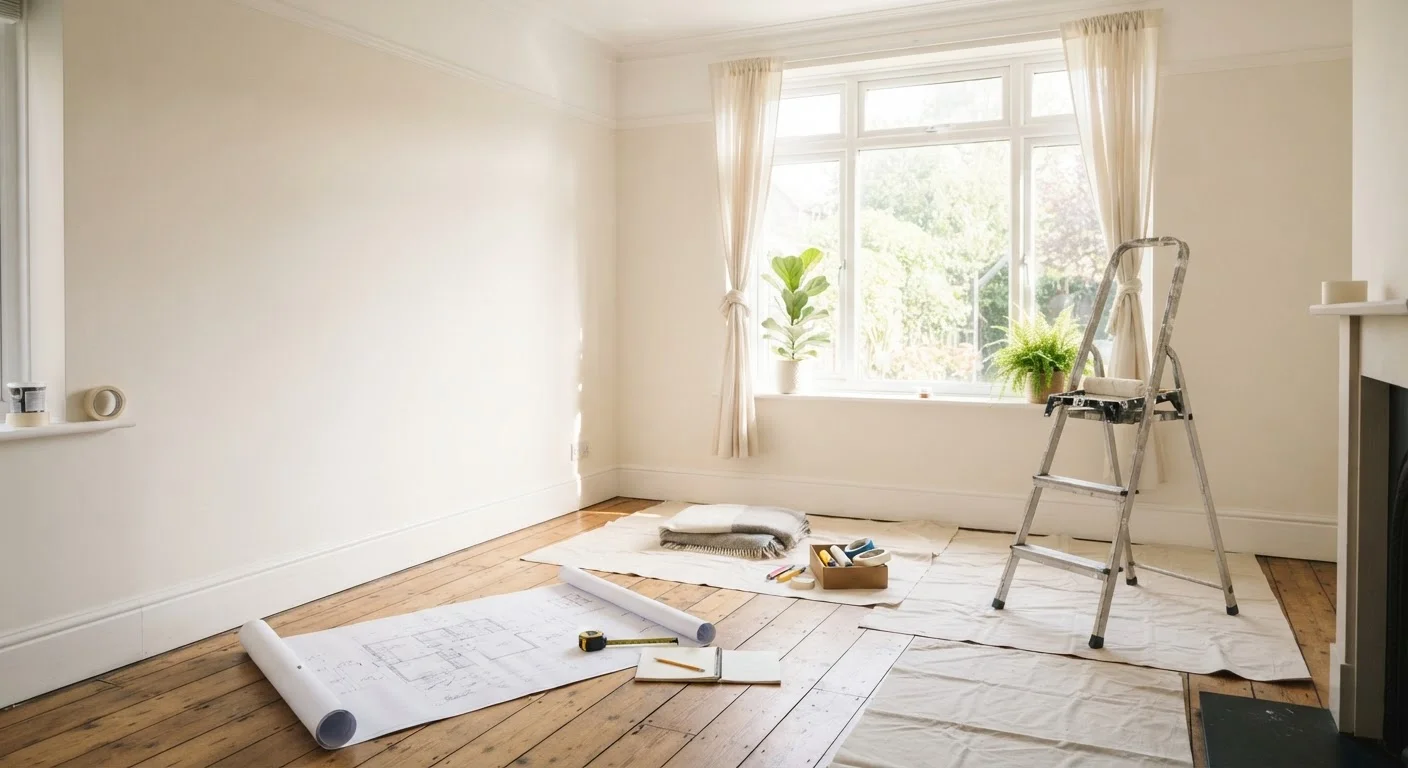
Photo: ShortwebArticles.com | Content For The Curious editorial
Key Takeaways
- Define your project scope clearly before spending a single dollar or hiring anyone.
- Most renovations cost more and take longer than first-timers expect — build in a buffer.
- Many structural, electrical, plumbing, and gas projects legally require permits and licensed professionals.
- Getting multiple written estimates helps you understand fair pricing and ask smarter questions.
- Clear communication with contractors and a written contract protect both parties throughout the project.
What Is a Home Renovation, Really?
The word "renovation" gets used loosely, so it helps to clarify what you're actually taking on. At its core, a renovation means updating, repairing, or improving an existing space — as opposed to building something new from scratch. That umbrella covers everything from repainting a bedroom to gutting a bathroom.
A useful distinction: renovation typically means restoring or refreshing what's there, while remodeling means changing the layout or structure. Repainting cabinets is renovation; moving the kitchen wall is remodeling. The difference matters because remodeling almost always triggers permit requirements.
Scope of work
A written list of every task included in a project, used to align expectations between homeowners and contractors before any work begins.
Permit
Official government approval required before certain types of construction or renovation work can legally begin; issued by your local building department.
Change order
A written amendment to the original contract that documents any additions, deletions, or changes to the project scope, cost, or timeline agreed upon after work has started.
Contingency budget
A reserved portion of your total budget — typically 10–20% — set aside to cover unexpected costs that arise during the project.
Load-bearing wall
A wall that supports the weight of the structure above it; removing or altering it without professional assessment and proper support can be structurally dangerous.
If you're also thinking about what comes before renovation — like financing a home purchase — the homebuying process is worth understanding as a foundation.
Planning Your Project from the Start
Rushed planning is the most common reason first-time renovations go sideways. Before lifting a tool, spend time answering three questions: What exactly needs to change? Why does it matter? And what would a finished, successful result look like?
- Write a scope of work. List every task you want completed, as specifically as possible. Vague requests lead to vague — and expensive — misunderstandings with contractors.
- Prioritize ruthlessly. Separate what is necessary (a leaking roof) from what is desirable (new countertops). Address safety and function first.
- Research materials and finishes early. Knowing what you want before you start prevents costly mid-project changes.
Pair your renovation plan with a broader look at how the finished space will function day-to-day. Our guide on home organization systems is a useful complement once the construction is done.
Start with one small, defined project
Budgeting, Permits, and Hiring Help
First-timers routinely underestimate costs. Labor, materials, disposal fees, and unexpected discoveries all add up. A practical starting point: research rough cost ranges for your project type, then add a 10–20% contingency buffer on top. That cushion is not pessimism — it's preparation.
On permits: structural, electrical, plumbing, and HVAC work almost always requires a permit and, in many jurisdictions, a licensed professional. Skipping permits to save money can backfire significantly — it may affect your homeowner's insurance and can create complications when you sell the property. Always contact your local building department to confirm what's required for your specific project.
When hiring a contractor, collect at least three written estimates. Understanding how those numbers are built — labor, materials, overhead, and markup — helps you evaluate them honestly. Our article on getting renovation estimates right walks through exactly how contractor pricing works.
Never skip the written contract
What to Expect During the Work
Even well-planned renovations are disruptive. Setting realistic expectations now prevents frustration later.
- Timelines shift. Material delays, weather, and discovery of hidden issues (outdated wiring, moisture damage) are common. Build schedule flexibility in from the start.
- Communication is ongoing work. Check in with your contractor regularly — not to micromanage, but to stay informed. A short daily or weekly check-in catches small misunderstandings before they become expensive ones.
- Document everything. Photograph the space before work begins, during demolition, and at key milestones. This protects you if disputes arise and is valuable if you ever file an insurance claim.
- Change orders happen. If you decide to alter the scope mid-project, get every change in writing with an updated cost and timeline before work proceeds.
For projects with hazardous components — asbestos, lead paint, gas lines, load-bearing walls — always hire licensed professionals. These are not areas for DIY experimentation regardless of skill level.
After the Dust Settles
When the crew packs up and the final walkthrough happens, your job isn't quite done. A structured close-out protects your investment and sets the stage for the next project.
- Do a thorough walkthrough with your contractor before making the final payment. Note anything incomplete or not matching the agreed spec — this is your last real opportunity for leverage.
- Confirm permit sign-off. If your project required permits, make sure all required inspections have been completed and approved. Keep copies of those records.
- Collect all warranties and documentation. Appliances, fixtures, and materials often carry manufacturer warranties. Store these with your project file.
- Update your home's records. Note what was replaced, when, and by whom. This information is useful for insurance, future maintenance, and eventual resale.
Renovation is an ongoing relationship with your home, not a one-time event. With a solid first project behind you, future improvements become progressively less intimidating.
This article is for general informational purposes only. Requirements for permits, licensed work, and contractor regulations vary by location. Always verify local requirements with your municipal building department and consult qualified professionals for work involving electrical, plumbing, gas, or structural systems.
Frequently Asked Questions
The content on this site is for informational purposes only and is not a substitute for professional advice. Always consult a qualified professional for guidance specific to your situation.