
Home Organization From First Steps to Long-Term Systems

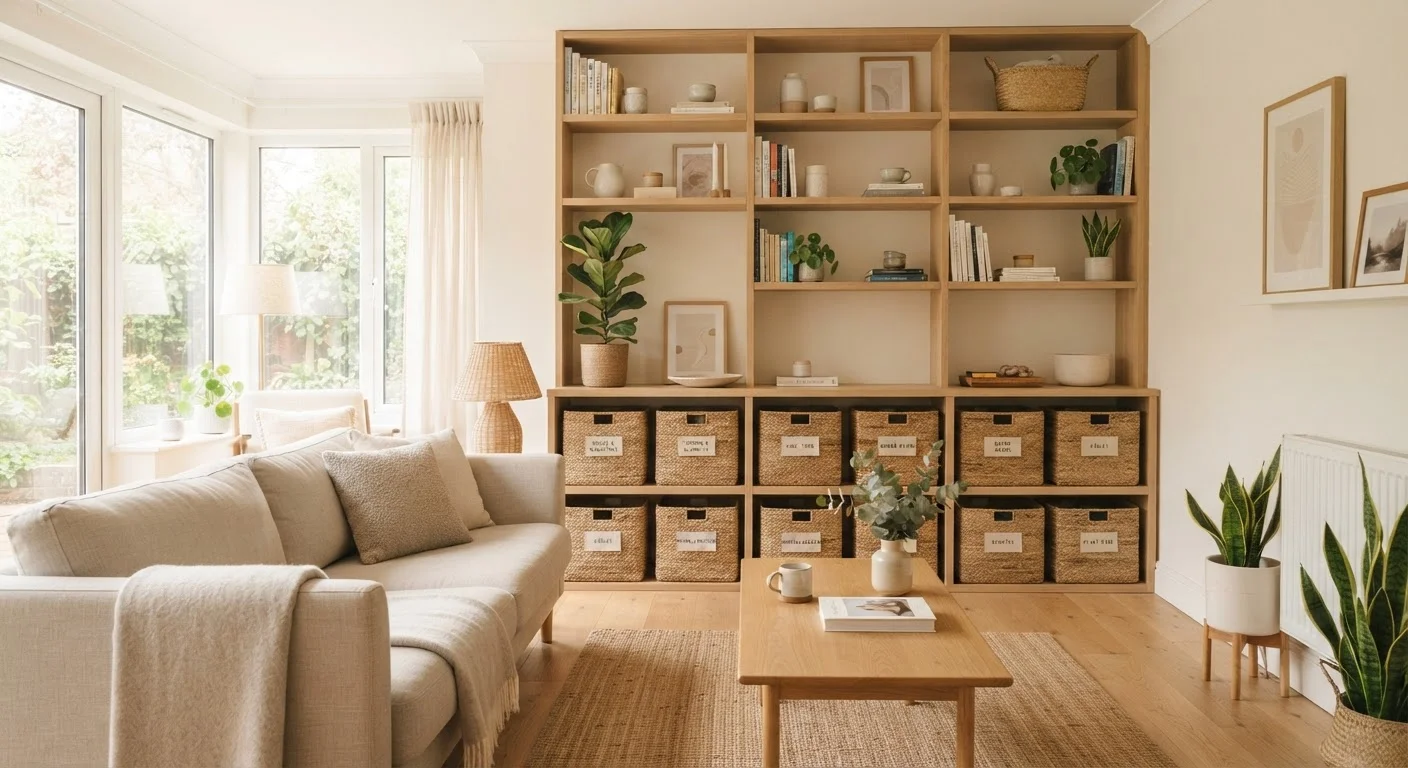
Photo: ShortwebArticles.com | Content For The Curious editorial
Key Takeaways
- Decluttering before organizing prevents creating storage for things you don't need.
- Each room benefits from a zone-based approach that matches how you actually use the space.
- Small, consistent daily habits are more powerful than occasional deep-clean sessions.
- Shared homes require clear agreements, not just better storage solutions.
- Organization is ongoing — expect to revisit and adjust systems over time.
Why Home Organization Is a System, Not an Event
Most people approach organization as a one-time project — a Saturday blitz that leaves everything neat until life creeps back in. But lasting order comes from repeatable systems, not single efforts. Think of organization as infrastructure: it needs to be designed around your actual behavior, not an idealized version of it.
A workable system has three qualities: it's easy to use, easy to maintain, and easy to reset after disruption. When those three conditions are met, keeping your home orderly stops feeling like discipline and starts feeling automatic.
55 min
Time lost daily looking for misplaced items
Research cited by the National Association of Professional Organizers suggests Americans spend significant daily time searching for lost belongings.
80%
Of household clutter comes from disorganization
Professional organizers commonly note that the majority of home clutter stems from poor systems rather than too many possessions.
Whether you're starting from scratch or trying to maintain what you've built, the principles in this guide scale to any home size, budget, or lifestyle.
Starting: The Declutter-First Principle
Before you buy a single bin or shelf, edit what you own. Organizing clutter just gives clutter a permanent address. The declutter-first principle is straightforward: only organize what you intend to keep.
Work category by category rather than room by room. Pull everything in a category together — all clothing, all kitchen gadgets, all books — so you can see the full volume at once. For each item, ask whether it serves a current purpose or brings genuine value. If the answer is no, remove it before organizing begins.
Set a Donation Deadline
Donate, recycle, or discard removed items promptly. Bags that sit in the corner for weeks tend to drift back into circulation. Once the category is edited, then find a home for what remains.
Room-by-Room Organization Strategies
Every room has a primary function. Organizing around that function — rather than cramming in everything that has nowhere else to go — is the key distinction between storage and true organization.
Kitchen
Group items by use frequency. Daily tools belong at counter level; occasional gadgets go higher or deeper. Keep countertops clear of everything except what you use multiple times per week. A clear counter signals order and makes cleanup faster.
Bedroom
The bedroom's job is rest. Minimize visual noise by keeping surfaces clear and ensuring every item stored there genuinely belongs in a sleep environment. Vertical storage — tall dressers, over-door organizers — maximizes space without crowding the floor.
Living Areas
Shared living spaces collect the most random items because everyone passes through them. Assign each category of item — remotes, chargers, reading materials — a single designated spot. When everyone knows where things live, they also know where to return them.
Entryway
The entry is a high-traffic transition zone. A hook for keys, a tray for mail, and a spot for shoes can eliminate a significant portion of daily scatter. Keep the system simple enough that anyone can use it in five seconds or less.
Label everything, even if the contents seem obvious. Labels remove the mental load of remembering where things go and make it easier for anyone in the household to maintain the system.
Organize for the way you actually live, not the way you wish you lived. If you consistently drop your bag by the door, put a hook there rather than insisting you'll change the behavior.
For the garage — one of the most common overflow zones — see our practical garage organization guide.
Building Habits That Stick
Systems don't maintain themselves — habits do. The most effective organizational habits are small and frequent rather than large and occasional.
- The one-in, one-out rule: When something new enters the home, something old leaves. This keeps volume stable over time.
- Reset windows: Spend 10 minutes at the end of each day returning items to their homes. This prevents accumulation from compounding.
- Sunday scans: A brief weekly walkthrough — not a deep clean — lets you catch drift before it becomes disorder.
Habit formation takes time. Expect a new routine to feel effortful for the first few weeks before it becomes automatic. Lowering the friction of each habit (making the right action the easiest action) accelerates the process considerably.
Organizing a Shared Home
Organization becomes more complex when multiple people share a space — especially when those people have different thresholds for tidiness. The solution isn't to impose one person's standard on everyone else; it's to build systems that work across different styles.
Focus on shared zones first: entryways, kitchens, and living areas where friction is highest. For private spaces, allow more individual latitude. Establishing a few clear, agreed-upon rules — where mail goes, how kitchen surfaces are kept — reduces conflict more effectively than elaborate storage systems.
Our guide on organizing a shared home when everyone has different standards goes deeper on navigating different tidiness expectations without creating ongoing tension.
When to Expand Your Scope
Once physical spaces are in order, you may find that digital clutter creates its own friction. Files, downloads, email, and photos can generate as much mental noise as a messy room. Understanding where disorganization causes the most stress helps you allocate effort wisely — our article on digital vs. physical organization offers a clear framework for deciding where to focus.
It's also worth knowing that significant renovations — adding built-in storage, reconfiguring a room's layout — can dramatically improve the conditions for staying organized. If you're considering structural changes to support better organization, our home renovation guide for first-timers covers the planning process from the ground up.
Finally, remember that organization is iterative. Life changes — new household members, new jobs, new hobbies — and your systems should evolve with it. Revisit your setup seasonally, adjust what isn't working, and resist the idea that once organized means always organized. The goal is a home that supports your life, not one that constrains it.
Don't Over-Invest in Storage Products Too Early
The content on this site is for informational purposes only and is not a substitute for professional advice. Always consult a qualified professional for guidance specific to your situation.