
Organizing a Shared Home When Everyone Has Different Standards

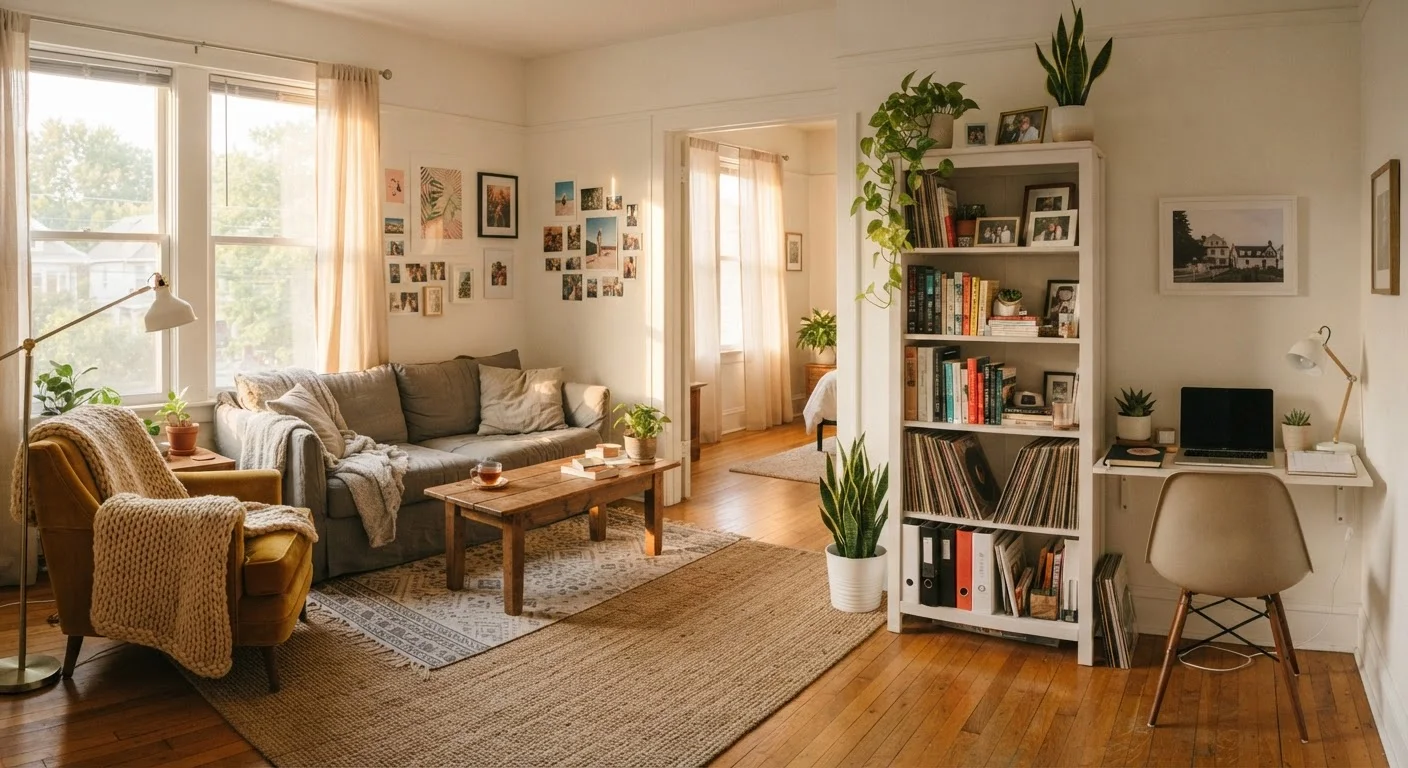
Photo: ShortwebArticles.com | Content For The Curious editorial
Key Takeaways
- Shared homes work better when everyone agrees on shared-space standards, not personal-space standards.
- Systems that are easy to use consistently beat systems that are theoretically perfect.
- Negotiating specific zones of personal autonomy reduces friction without lowering household standards.
- Regular, low-stakes check-ins prevent resentment from building up over time.
- Visible, labeled storage reduces the mental load on every household member equally.
Why Shared Homes Are So Hard to Keep Organized
Shared homes — whether with a partner, roommates, or family — come with a built-in challenge: everyone arrives with different ideas about what "clean enough" means. One person's tidy surface is another's cluttered counter. These differences aren't signs that something is wrong; they're simply the result of different upbringings, habits, and priorities.
The trouble starts when households try to solve this with one person's standards applied to everyone, or worse, no agreed standards at all. The result is usually resentment, passive-aggressive dish-leaving, and perpetually messy shared spaces that nobody feels ownership over.
What actually works is building systems that acknowledge different standards honestly — and designing around real behavior, not ideal behavior. Before you rearrange a single drawer, it's worth understanding the difference between decluttering, tidying, and organizing, since each requires a different kind of conversation with your household.
This Isn't About Winning an Argument
Best Practices for Creating Systems Everyone Can Use
The practices below focus on building shared agreements and practical structures that hold up in real life — not just on a good day. The goal isn't a perfectly Pinterest-worthy home; it's a home where nobody feels like the household's unpaid cleaning staff.
Agree on shared-space standards separately from personal-space standards.
Create a written household agreement for shared responsibilities.
Design storage systems around the least organized person's habits, not the most.
Identify each person's non-negotiables and protect them.
Use visible, labeled storage in all shared areas.
Hold brief, regular household check-ins rather than crisis conversations.
For more on keeping systems functional long-term, why organized homes don't stay that way is worth reading alongside this.
Getting Started: Low-Friction Actions You Can Take Today
You don't need a household summit or a full weekend reorganization to improve things. Small, strategic changes to shared spaces can lower friction immediately and give everyone a taste of how a workable system feels. Start here.
If your home is also carrying excess clutter that no system can fix, decluttering your home when you don't know where to start offers a room-by-room approach that works even when motivation is low. And once things are pared back, a room-by-room organization checklist can help the whole household stay on track together.
“Organization isn't about perfection; it's about efficiency, reducing stress, and enabling everyone in the household to function comfortably.”
— Julie Morgenstern, Professional organizer and author of 'Organizing from the Inside Out'
The content on this site is for informational purposes only and is not a substitute for professional advice. Always consult a qualified professional for guidance specific to your situation.