
DIY Home Improvement: What's Worth Doing Yourself and What Isn't

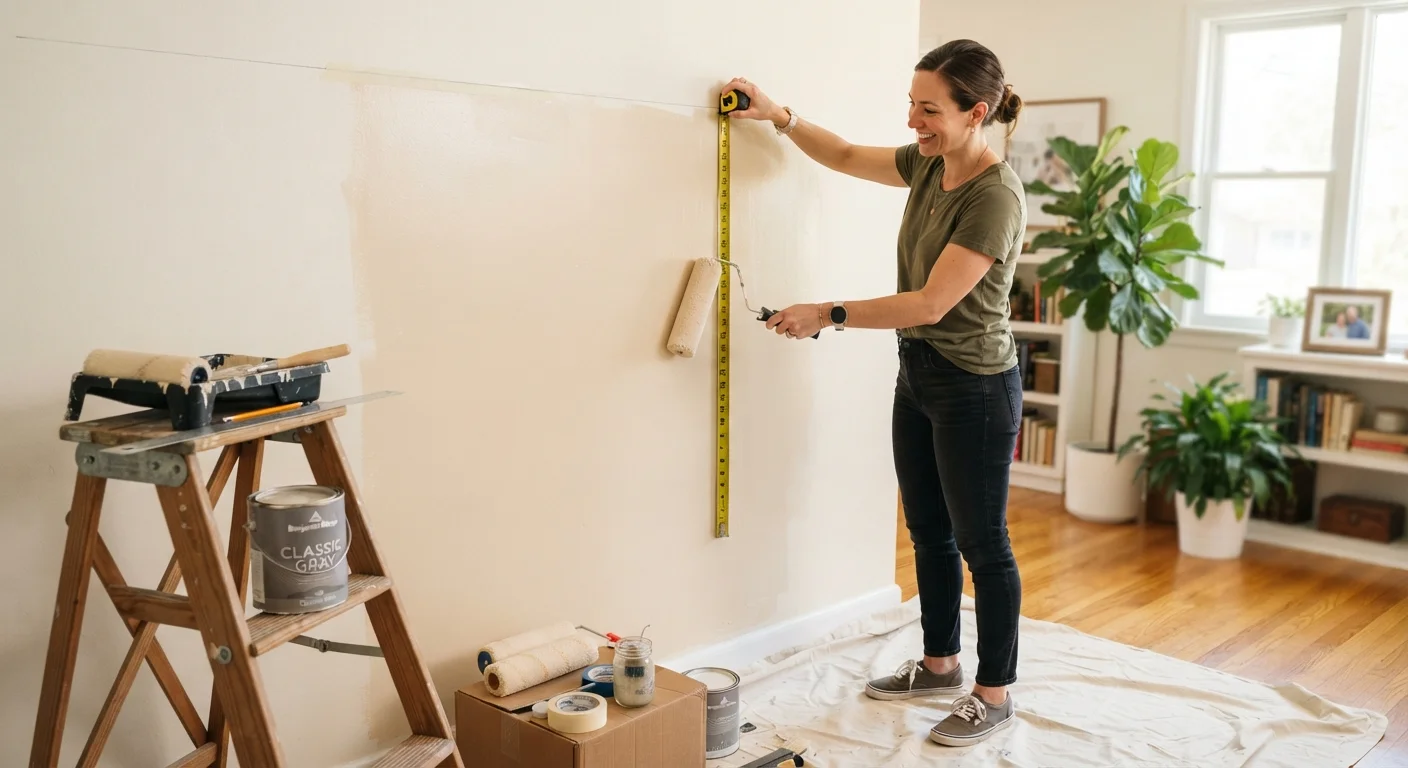
Photo: ShortwebArticles.com | Content For The Curious editorial
Key Takeaways
- DIY home improvement can meaningfully reduce labor costs on the right projects.
- Some tasks — especially electrical, gas, and structural work — carry real safety and legal risks without professional oversight.
- Honest self-assessment of your skills and time is the most important step before starting any project.
- Unpermitted DIY work can create problems when selling or insuring your home.
- Many beginner-friendly projects build real skills that pay off across future repairs.
Significant savings on labor costs
Labor typically represents 40–65% of a professional project's total cost. Handling work yourself eliminates that portion entirely on eligible tasks.
Builds lasting, transferable skills
Learning to patch drywall, caulk, or install basic fixtures pays dividends across future maintenance tasks — skills compound over time.
Full control over timing and quality
You set the schedule and choose your materials without coordinating around a contractor's availability or their preferred suppliers.
Immediate satisfaction and home connection
Completing a repair or improvement yourself creates a sense of ownership and confidence that's difficult to replicate by hiring out.
Accessible entry points for beginners
Many low-risk projects — painting, hardware swaps, weatherstripping — have a gentle learning curve and are forgiving of minor mistakes.
Mistakes can cost more than hiring out
A botched tile job, improperly installed fixture, or poorly sealed window can require a professional to correct — at greater total expense than the original task.
Safety risks in regulated work
Electrical, gas, and structural tasks carry real injury and property-damage risks when performed without proper training, tools, and code knowledge.
Time investment is often underestimated
What takes a seasoned professional two hours may take a first-timer an entire weekend, including supply runs and learning curves along the way.
Permit and compliance issues
Unpermitted improvements can complicate home sales, void homeowner's insurance coverage, or trigger costly remediation orders from local inspectors.
Warranty and liability gaps
DIY installation of appliances or systems can void manufacturer warranties; professional work typically comes with some form of workmanship guarantee.
Why the DIY Question Matters More Than Ever
Labor costs have risen steadily, and for many households, paying a professional for every home repair simply isn't realistic. At the same time, the internet has made it easier than ever to watch a tutorial and feel confident tackling a task that may actually warrant a licensed hand. The result: homeowners are doing more themselves — sometimes wisely, sometimes not.
The real skill isn't swinging a hammer. It's knowing which projects fall in your capable range and which ones could create bigger problems than they solve. If you're new to this whole territory, the Home Renovation for First-Timers guide is a useful starting point for building that judgment before picking up any tools.
Significant savings on labor costs
Labor typically represents 40–65% of a professional project's total cost. Handling work yourself eliminates that portion entirely on eligible tasks.
Builds lasting, transferable skills
Learning to patch drywall, caulk, or install basic fixtures pays dividends across future maintenance tasks — skills compound over time.
Full control over timing and quality
You set the schedule and choose your materials without coordinating around a contractor's availability or their preferred suppliers.
Immediate satisfaction and home connection
Completing a repair or improvement yourself creates a sense of ownership and confidence that's difficult to replicate by hiring out.
Accessible entry points for beginners
Many low-risk projects — painting, hardware swaps, weatherstripping — have a gentle learning curve and are forgiving of minor mistakes.
The Real Drawbacks of Going DIY
DIY isn't without genuine downsides — and underestimating them is where projects go sideways. Beyond the obvious risk of doing the work wrong, there are less obvious costs worth weighing.
Mistakes can cost more than hiring out
A botched tile job, improperly installed fixture, or poorly sealed window can require a professional to correct — at greater total expense than the original task.
Safety risks in regulated work
Electrical, gas, and structural tasks carry real injury and property-damage risks when performed without proper training, tools, and code knowledge.
Time investment is often underestimated
What takes a seasoned professional two hours may take a first-timer an entire weekend, including supply runs and learning curves along the way.
Permit and compliance issues
Unpermitted improvements can complicate home sales, void homeowner's insurance coverage, or trigger costly remediation orders from local inspectors.
Warranty and liability gaps
DIY installation of appliances or systems can void manufacturer warranties; professional work typically comes with some form of workmanship guarantee.
One overlooked issue is permitting. Many municipalities require permits for work that goes beyond surface-level changes — replacing a water heater, adding an outlet, altering load-bearing walls. Unpermitted work can surface as a liability during a home sale or insurance claim. Always check local requirements before starting; your city or county building department website is the right first stop.
If a project turns out to be over your head, knowing how to bring in professional help effectively matters too. See our guide to hiring a contractor for the questions to ask before handing over a deposit.
Projects Worth DIY-ing vs. Those to Hand Off
Not every home task sits in a gray zone. Some are genuinely owner-friendly; others should go straight to a licensed professional.
When Permits Are Required
Generally manageable for motivated homeowners
- Painting interior walls and trim — low stakes, highly forgiving, and the results are visible immediately.
- Installing or replacing hardware — cabinet pulls, door handles, faucets (surface-level swaps), and light fixture replacements where wiring is straightforward.
- Patching drywall — small holes and dents are learnable with basic supplies and patience.
- Caulking and weatherstripping — underrated maintenance tasks that improve energy efficiency and are entirely accessible.
- Basic landscaping and outdoor work — mulching, planting, and minor grading around the home.
Tasks that typically warrant a professional
- Any electrical panel work — breaker replacements, new circuits, or rewiring. Code compliance and shock risk are not areas for improvisation.
- Gas line work — installation, relocation, or repair of gas appliances. Licensed plumbers or gas fitters exist for this reason.
- Structural modifications — removing or altering walls, especially load-bearing ones, without engineering review.
- Roofing beyond minor patching — working at height carries serious fall risk, and improper installation can void manufacturer warranties.
~50%
Typical share of project cost that is labor
According to general construction industry figures, labor commonly represents between 40% and 65% of total project costs depending on the trade.
1 in 3
DIY projects that require professional correction
Industry surveys from home service platforms have found that a significant portion of DIY repairs eventually require a professional to fix or finish.
Understanding how professionals price their work can also help you make smarter decisions about when it's worth the expense. How Contractors Price Projects breaks down the labor, materials, and markup that go into a typical quote.
Building Your DIY Judgment Over Time
The homeowners who manage DIY most successfully tend to share one habit: they start small. A weekend spent patching and painting a room teaches material behavior, prep discipline, and realistic time estimates — all of which carry over to more complex work.
Honest self-assessment is also non-negotiable. Ask yourself: Do I have the right tools, or will I spend more renting and buying than the labor would have cost? Do I have time to redo this if it doesn't go right? Is this project in a visible, high-stakes area of the home?
The same logic applies across domains — the DIY car maintenance vs. shop guide walks through the same framework for vehicle tasks, and many of the decision-making principles translate directly to home projects.
DIY works best when it's a considered choice, not a default. With the right project and honest preparation, it's one of the more satisfying ways to invest in your home.
This article provides general home improvement information for educational purposes. Always verify local permit requirements and consult a licensed professional for work involving electrical systems, gas lines, structural elements, or other regulated trades.
The content on this site is for informational purposes only and is not a substitute for professional advice. Always consult a qualified professional for guidance specific to your situation.