
Renting vs. Buying: How to Think Through the Decision

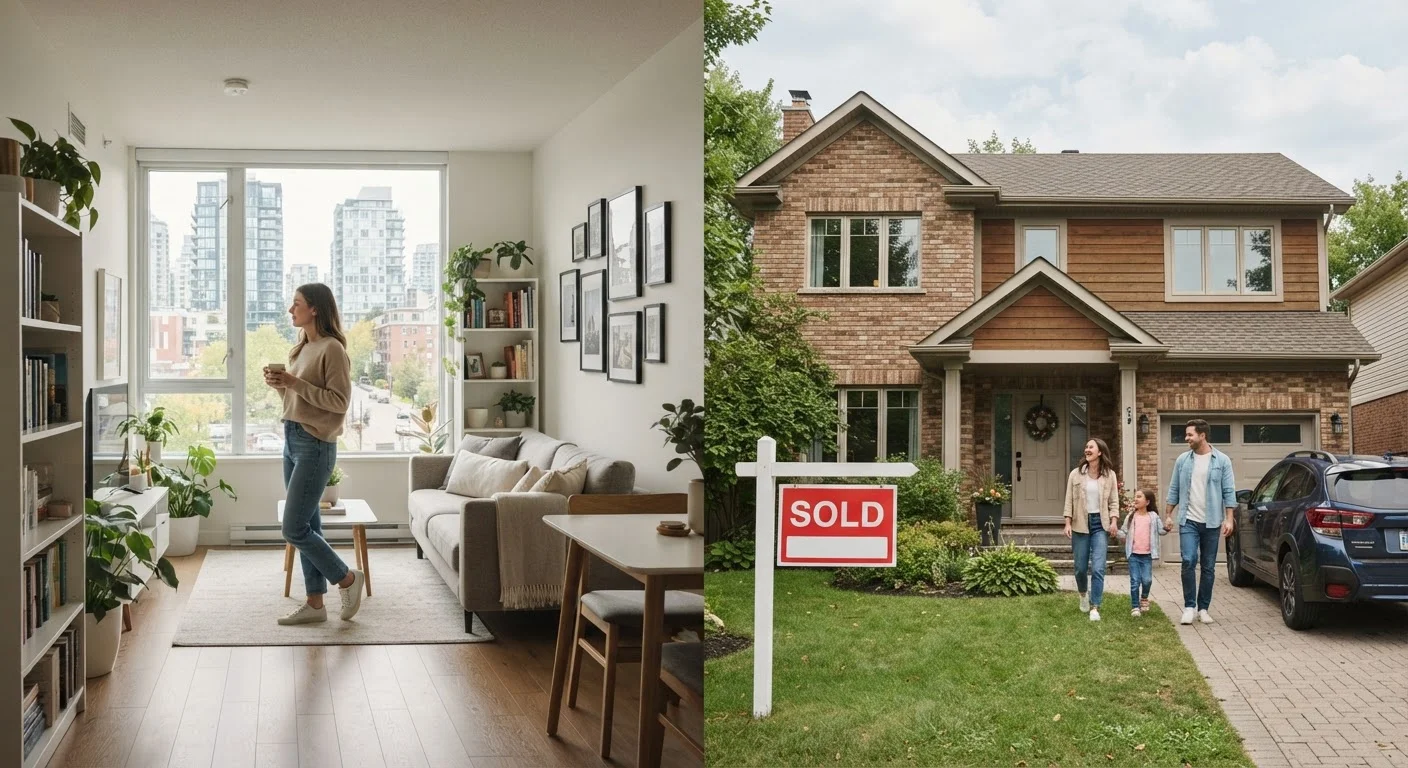
Photo: ShortwebArticles.com | Content For The Curious editorial
Key Takeaways
- Buying builds equity over time but requires significant upfront capital and long-term commitment.
- Renting offers flexibility and lower short-term costs but provides no ownership stake.
- The right choice depends on your timeline, local market conditions, and financial readiness.
- Hidden costs exist on both sides — from maintenance as an owner to fees as a renter.
- A general rule of thumb: plan to stay at least five years before buying to offset transaction costs.
Builds equity with every mortgage payment
Unlike rent, a portion of each mortgage payment reduces your loan balance, steadily increasing your ownership stake in the property over time.
Provides stability in housing costs
A fixed-rate mortgage locks in your principal and interest payment for the loan's term, shielding you from rent increases common in competitive rental markets.
Freedom to modify and personalize your home
Owners can renovate, repaint, landscape, or remodel without landlord approval — an important quality-of-life benefit for those who want a space that reflects their preferences.
Potential for long-term appreciation
Historically, U.S. home values have trended upward over long periods, though this varies significantly by location and market cycle and is never guaranteed.
High upfront costs and financial requirements
Down payments, closing costs, inspections, and moving expenses can easily total tens of thousands of dollars before you've made a single mortgage payment.
Full responsibility for maintenance and repairs
As an owner, unexpected repairs — a failing HVAC system, a leaking roof — fall entirely on you, and industry guidance often suggests budgeting 1% to 2% of home value annually for maintenance.
Reduced flexibility and geographic mobility
Selling a home takes time and money; owning one makes it significantly harder to relocate quickly for a job, family need, or lifestyle change.
Exposure to market downturns
Home values are not guaranteed to rise. Buyers who purchased near market peaks have in the past faced years of negative equity, limiting their financial options.
Why This Decision Is Harder Than It Looks
The question of whether to rent or buy a home sits at the intersection of personal finance, lifestyle priorities, and local market realities. There's no single correct answer — and anyone who tells you otherwise is oversimplifying a genuinely complex decision.
Popular culture often frames homeownership as the obvious goal and renting as a temporary fallback. But that framing ignores real advantages renters enjoy and real risks homeowners carry. For a deeper look at the financial and lifestyle distinctions, see our detailed breakdown of the real trade-offs between the two paths.
The most useful starting point isn't asking which option is better — it's asking which one fits your current situation, goals, and financial position.
This Is General Information, Not Financial Advice
The Case for Buying: Pros and Cons
Homeownership carries a distinct set of financial and lifestyle advantages — but also costs and risks that first-time buyers often underestimate.
Builds equity with every mortgage payment
Unlike rent, a portion of each mortgage payment reduces your loan balance, steadily increasing your ownership stake in the property over time.
Provides stability in housing costs
A fixed-rate mortgage locks in your principal and interest payment for the loan's term, shielding you from rent increases common in competitive rental markets.
Freedom to modify and personalize your home
Owners can renovate, repaint, landscape, or remodel without landlord approval — an important quality-of-life benefit for those who want a space that reflects their preferences.
Potential for long-term appreciation
Historically, U.S. home values have trended upward over long periods, though this varies significantly by location and market cycle and is never guaranteed.
On the downside, ownership comes with responsibilities renters don't carry.
High upfront costs and financial requirements
Down payments, closing costs, inspections, and moving expenses can easily total tens of thousands of dollars before you've made a single mortgage payment.
Full responsibility for maintenance and repairs
As an owner, unexpected repairs — a failing HVAC system, a leaking roof — fall entirely on you, and industry guidance often suggests budgeting 1% to 2% of home value annually for maintenance.
Reduced flexibility and geographic mobility
Selling a home takes time and money; owning one makes it significantly harder to relocate quickly for a job, family need, or lifestyle change.
Exposure to market downturns
Home values are not guaranteed to rise. Buyers who purchased near market peaks have in the past faced years of negative equity, limiting their financial options.
One frequently overlooked factor is the break-even horizon. Buying involves substantial one-time transaction costs — typically 2% to 5% of the purchase price in closing costs alone. Spreading those costs over a longer time horizon is what makes ownership financially advantageous. If you move within a few years, those upfront costs can erase any equity gains.
5+ years
Typical break-even horizon for buying
Real estate professionals and financial planners commonly cite a five-year minimum stay as the threshold at which purchasing begins to offset transaction and carrying costs.
2%–5%
Typical closing cost range as share of purchase price
The Consumer Financial Protection Bureau notes that closing costs generally fall between 2% and 5% of the loan amount, a significant upfront expense buyers must plan for.
What Renters Often Overlook
Renting is sometimes dismissed as "throwing money away," but that framing is misleading. Rent buys something real: housing, flexibility, and freedom from maintenance obligations. The money isn't wasted — it's exchanged for a place to live without the financial exposure of ownership.
That said, renting does have genuine financial limitations worth understanding. Rent payments don't build equity, and in many markets, rents have risen faster than wages over the past decade. If you're curious about the full scope of renting costs — including deposits, fees, and insurance — our guide to the full cost of renting breaks down what renters actually spend beyond the monthly figure.
Renters also have meaningful tools at their disposal. Lease structure is one of them — understanding the difference between month-to-month and annual leases can help you match your lease terms to your life plans.
Key Questions to Ask Before Deciding
Rather than running a single rent-vs-buy calculation, work through a set of questions that reflect your real situation:
- How long do you plan to stay? Shorter than five years generally favors renting when accounting for transaction costs and limited equity accumulation.
- What is your down payment situation? Most conventional loans require 3% to 20% down, plus reserves for closing costs and an emergency fund.
- Is your income stable and predictable? A mortgage is a fixed long-term obligation; job instability or irregular income increases the risk of ownership.
- What does the local market look like? In some cities, the price-to-rent ratio makes buying clearly advantageous; in others, renting is significantly cheaper on a monthly basis.
- What's your risk tolerance? Home values can fall. Owners in declining markets can find themselves underwater — owing more than the home is worth.
These questions won't give you a definitive answer, but they'll reveal which direction makes more sense given your circumstances. The rent-vs-buy trade-offs in today's market are also shaped by where you live, making local research essential.
The content on this site is for informational purposes only and is not a substitute for professional advice. Always consult a qualified professional for guidance specific to your situation.