
Low-Impact Exercise Options That Are Easier on Your Joints

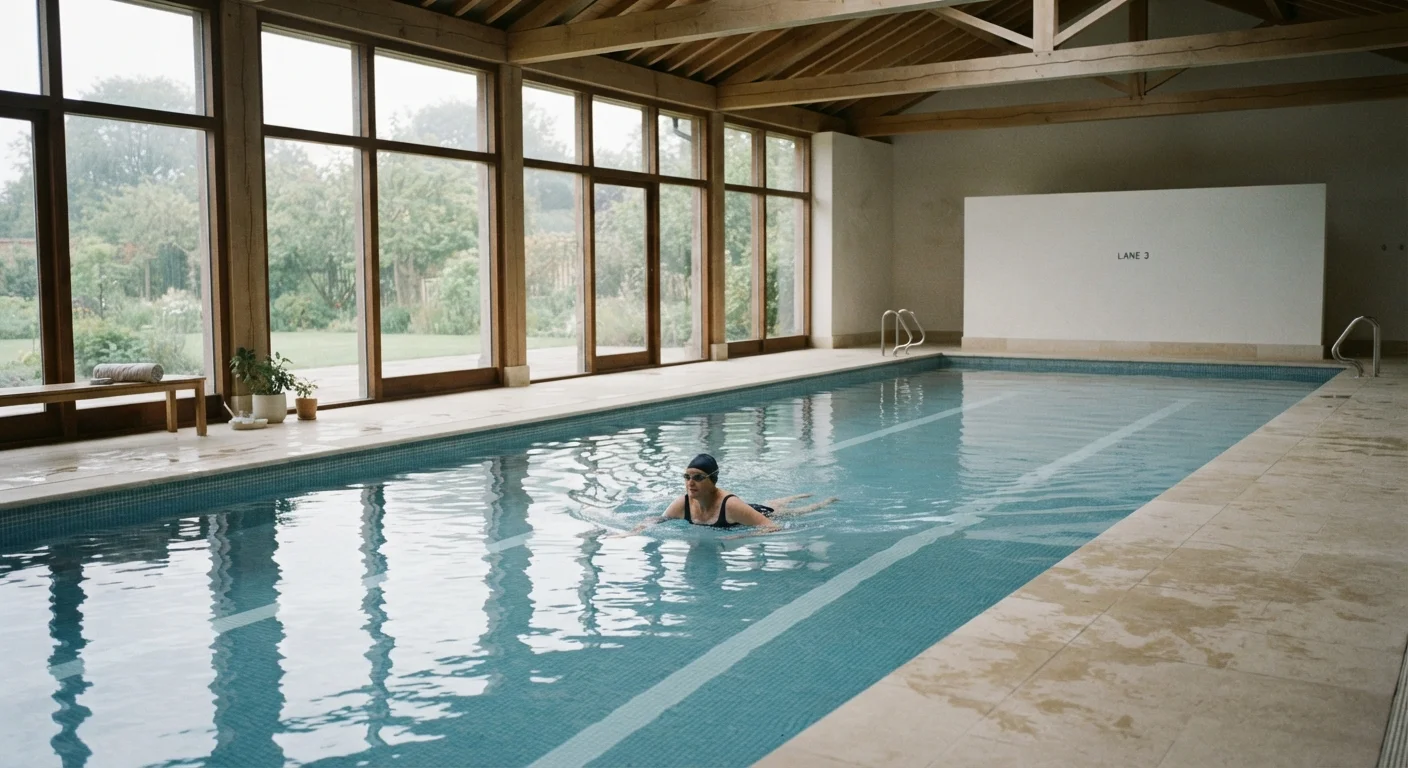
Photo: ShortwebArticles.com | Content For The Curious editorial
Key Takeaways
- Low-impact exercise reduces joint stress without sacrificing meaningful gains in strength, endurance, or mobility.
- Options like swimming, cycling, and yoga suit a wide range of fitness levels and physical conditions.
- Consistency matters more than intensity — sustainable movement is the foundation of long-term health.
- Always consult a healthcare professional before starting any new exercise program, especially with existing joint conditions.
Why Low-Impact Exercise Deserves More Credit
There's a widespread assumption in fitness culture that harder, higher-intensity movement is always better. For people managing joint pain, recovering from injury, or simply looking for sustainable long-term activity, this framing can be discouraging — and misleading. Low-impact exercise doesn't mean low-effort or low-benefit. It simply means choosing movement that reduces the stress placed on joints during activity, typically by minimizing the ground-reaction forces generated when the body strikes a surface.
Joint-friendly exercise is relevant well beyond injury recovery. Adults over 50, people with arthritis, those who are postoperative, and anyone new to structured fitness can all benefit from formats that protect the body while still building meaningful strength, cardiovascular health, and mobility. If you're thinking about how these formats fit into a broader fitness picture, it's worth understanding how strength training compares to cardio in terms of overall health outcomes. For age-specific context, fitness after 50 covers how exercise priorities and methods evolve with time.
Joint Pain Is Not a One-Size-Fits-All Issue
Seven Low-Impact Options Worth Exploring
Swimming and Water Aerobics
Water-based exercise is widely regarded as one of the most joint-friendly movement options available. Buoyancy significantly reduces the load on hips, knees, and the spine — research suggests water immersion can reduce effective body weight on joints by up to 90% when submerged to shoulder depth. Swimming laps builds cardiovascular endurance and works nearly every major muscle group simultaneously. Water aerobics classes, often available at community recreation centers, offer a social and structured alternative that suits beginners and older adults especially well. The resistance water provides also helps build functional muscle strength without the compression forces of land-based exercise.
Buoyancy can reduce effective joint load by up to 90%, making water exercise uniquely protective.
Cycling (Stationary or Outdoor)
Cycling keeps the feet in contact with pedals throughout the movement, eliminating the repetitive impact of running or jumping. A properly fitted bike — whether stationary or road — places minimal stress on the knees while building quadriceps and glute strength. Stationary cycling is particularly accessible because speed, resistance, and duration can be precisely controlled without navigating traffic or terrain. Recumbent stationary bikes offer an additional option for those who find upright seating uncomfortable, distributing weight differently across the lower back and hips. Even moderate cycling sessions can meaningfully improve cardiovascular fitness over time.
A properly fitted bike builds leg strength and cardio fitness with minimal knee stress.
Walking
Walking is the most universally accessible low-impact option — it requires no equipment, no gym membership, and can be adapted to almost any fitness level. While it carries more joint load than swimming or cycling, its impact is still substantially lower than running. Consistent walking has documented benefits for cardiovascular health, blood sugar regulation, and mental well-being. Walking for fitness has real limits when it comes to building significant strength or bone density on its own, but as a daily movement habit it forms a meaningful foundation. Gentle inclines, trekking poles, or varied terrain can add challenge without dramatically increasing joint stress.
Walking's accessibility makes it an ideal daily habit, even if supplementary activity is eventually needed.
Yoga and Stretching-Based Movement
Yoga improves flexibility, balance, and muscular endurance with virtually no impact on joints. Many styles — particularly hatha, restorative, and chair yoga — are specifically designed to be gentle and modifiable for people with limited range of motion or chronic joint discomfort. Beyond physical benefits, yoga incorporates breathwork and mindfulness practices that can help manage pain perception and stress, both of which can indirectly affect physical performance and recovery. Poses can almost always be modified using blocks, straps, or a chair, making yoga one of the most adaptable movement formats across age groups and ability levels.
Yoga's adaptability makes it suitable for almost any ability level, with poses easily modified using props.
Elliptical Training
The elliptical machine mimics the motion of walking and running but keeps feet on pedals throughout each stride, eliminating ground impact entirely. Studies comparing elliptical use to treadmill running generally show significantly lower joint reaction forces at the knee and hip. Many elliptical machines also include moveable handlebars that engage the upper body, creating a fuller-body workout. The elliptical is a common recommendation during rehabilitation from lower-limb injuries, though anyone recovering from a specific injury should confirm suitability with a physical therapist or physician before using one.
The elliptical eliminates ground impact while still closely mimicking the mechanics of walking and running.
Resistance Training with Bands or Light Weights
Building muscle strength is essential for protecting joints — stronger surrounding muscles absorb force that would otherwise transfer directly to cartilage and bone. Resistance bands and light dumbbells allow controlled, deliberate movement with a manageable load. Exercises like seated leg presses, banded clamshells, and supported rows can be performed with minimal joint stress while still producing meaningful strength adaptations. For context on how resistance training compares to other formats, bodyweight versus weight training offers a useful breakdown of trade-offs. Proper form matters considerably — poor mechanics can create unnecessary joint strain regardless of how light the load is.
Stronger muscles surrounding joints absorb force that would otherwise stress cartilage and bone directly.
Tai Chi
Tai chi is a slow, flowing movement practice rooted in Chinese martial arts tradition. Its deliberate, controlled movements improve balance, coordination, and lower-body strength without jarring the joints. A meaningful body of research has examined tai chi specifically in older adults and people with osteoarthritis, with findings generally supporting its value for reducing fall risk and improving self-reported joint comfort — though it is not a treatment for any condition. Because movements are performed slowly and weight shifts are gradual, tai chi is particularly well-suited to those who find faster-paced exercise uncomfortable or intimidating. Many community centers and senior programs offer beginner classes.
Tai chi's slow, deliberate movements improve balance and lower-body strength with virtually no joint impact.
Start Slow and Build Gradually
Making a Sustainable Choice
The most effective exercise format is one you'll actually do consistently. That means finding something you find manageable, reasonably enjoyable, and compatible with your schedule and physical situation. You don't need to commit to a single format — many people combine two or three low-impact activities across the week to address different aspects of fitness: cardiovascular endurance, muscular strength, and flexibility.
Before beginning a new routine, especially if you have existing health concerns, it's worth reviewing a safety and readiness checklist to help set realistic expectations and reduce early injury risk. Low-impact doesn't mean risk-free — progression, technique, and individual fit still matter.
This article is for general informational purposes only and is not a substitute for professional medical advice. Always consult a qualified healthcare provider before starting a new exercise program, particularly if you have a joint condition, chronic illness, or recent injury.
The content on this site is for informational purposes only and is not a substitute for professional advice. Always consult a qualified professional for guidance specific to your situation.