
Sodium in the American Diet: Where It Hides and What It Does

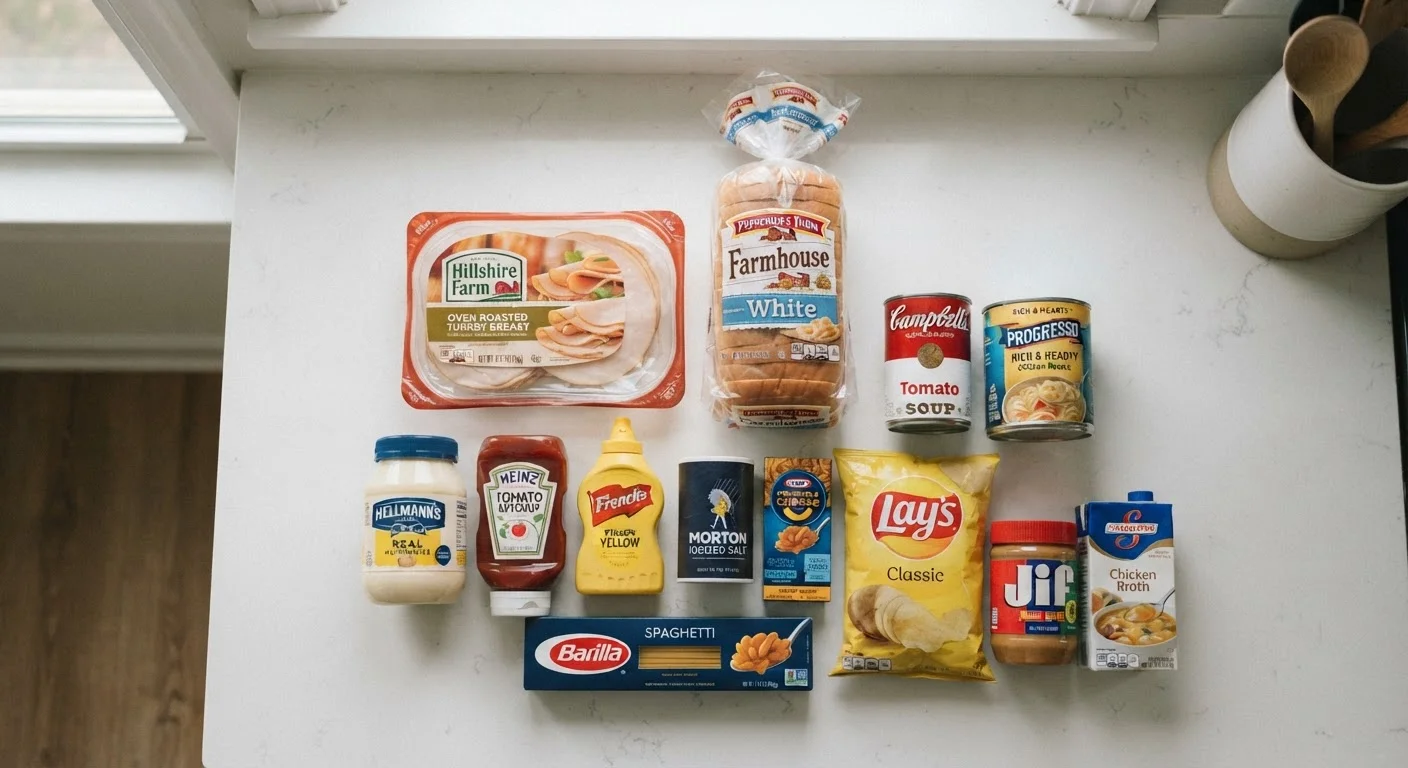
Photo: ShortwebArticles.com | Content For The Curious editorial
Why Sodium Matters
Sodium is an essential mineral. Your body needs it to maintain fluid balance, support nerve signaling, and enable muscle contractions — including the beating of your heart. The problem isn't sodium itself; it's the amount most Americans consume every day.
Federal dietary guidelines generally suggest that adults limit sodium to 2,300 milligrams per day — roughly one teaspoon of table salt. The average American, however, consumes closer to 3,400 milligrams daily, according to data from the Centers for Disease Control and Prevention (CDC). That persistent gap has real consequences for cardiovascular health over time.
| Average daily sodium intake (U.S. adults) | ~3,400 mg (Centers for Disease Control and Prevention (CDC)) |
| Dietary guideline daily limit (adults) | 2,300 mg (U.S. Dietary Guidelines for Americans) |
| Share of sodium from processed/restaurant food | ~70% (CDC, National Health and Nutrition Examination Survey data) |
| Chemical form in food | Sodium chloride (table salt) and sodium-containing additives |
| Sodium reduction from rinsing canned goods | Up to ~40% (University food science research estimates) |
When sodium intake consistently exceeds what the kidneys can efficiently process, the body retains more water to dilute the excess. This raises blood volume, which in turn raises blood pressure — a major risk factor for heart disease and stroke. For people who are already salt-sensitive, even moderate overconsumption can be significant. If you have concerns about blood pressure or kidney function, speak with a qualified healthcare professional before making major dietary changes.
This article is for general informational purposes only and does not constitute medical advice. Always consult a licensed healthcare provider for guidance specific to your health situation.
The Hidden Sources: It's Not the Salt Shaker
Research from the CDC consistently shows that roughly 70% of the sodium Americans consume comes from processed, packaged, and restaurant foods — not from salt added at the table or during home cooking. This distinction matters because it means simply putting away the shaker does relatively little to reduce overall intake.
Sodium
An essential mineral and electrolyte that helps regulate fluid balance, nerve function, and muscle contractions. Found naturally in some foods and added to many processed products as salt or sodium-containing additives.
Hypertension
Chronically elevated blood pressure, often defined as consistently reading at or above 130/80 mmHg. High sodium intake is a well-established contributing factor.
Salt-sensitive
A physiological trait in which an individual's blood pressure rises or falls more sharply in response to changes in sodium intake compared to the general population.
Sodium chloride
The chemical compound commonly known as table salt, composed of sodium and chloride. It is the most common source of sodium in the human diet.
Daily Value (DV)
A reference amount used on nutrition labels to show what percentage of a daily nutrient need one serving provides, based on a 2,000-calorie diet. For sodium, the DV is 2,300 mg.
The foods that contribute the most sodium to American diets include:
- Bread and rolls — often overlooked, a single slice can contain 100–200 mg
- Canned soups — a standard serving frequently delivers 700–900 mg
- Deli meats and cured meats — sodium is used both for flavor and preservation
- Pizza — combines high-sodium cheese, sauce, and processed toppings
- Sandwiches and burgers — multiple components each add to the total
- Condiments and sauces — soy sauce, ketchup, and salad dressings are concentrated sources
- Breakfast cereals — savory or sweet, many are surprisingly high
Reading nutrition labels carefully is one of the most practical tools available. The nutrition facts panel tells you exactly how much sodium is in each serving — and how that compares to the daily recommended limit.
~3,400 mg
Average daily sodium intake for U.S. adults
According to the CDC, this is nearly 50% above the 2,300 mg guideline recommended for most adults.
70%
Sodium from packaged and restaurant foods
The CDC estimates roughly 70% of consumed sodium comes from processed and prepared foods, not home cooking.
1 in 3
U.S. adults with high blood pressure
The American Heart Association notes that high sodium intake is a key modifiable risk factor for hypertension, which affects about 1 in 3 American adults.
Practical Ways to Reduce Intake Without Extreme Diets
Lowering sodium doesn't require eliminating entire food categories or following a rigid plan. Small, consistent adjustments to purchasing and cooking habits can add up meaningfully over time.
- Compare labels on similar products. Sodium content varies widely between brands of the same item — canned tomatoes, for example, may range from 20 mg to 400 mg per serving depending on the product.
- Choose "reduced sodium" or "no salt added" versions of canned and packaged goods where available.
- Cook more at home. Home-cooked meals typically contain significantly less sodium than restaurant or fast-food equivalents, since you control what goes in.
- Use herbs, spices, citrus, and vinegar to build flavor without salt.
- Rinse canned beans and vegetables before use — this can reduce sodium content by up to 40%, according to some food science research.
- Watch portion sizes. A food's sodium count per serving may seem reasonable until you realize you're eating two or three servings at once.
Sodium and hydration are closely connected: higher sodium intake increases thirst and affects fluid retention. The relationship between what you eat and what you drink is explored further in our article on hydration and nutrition.
It's also worth noting that a diet high in sodium often coincides with a diet low in beneficial nutrients like dietary fiber — since both patterns tend to follow heavy reliance on ultra-processed foods. Shifting toward whole and minimally processed foods can help address both issues at once.
This article is for general informational purposes only and does not constitute medical advice. Always consult a licensed healthcare provider for guidance specific to your health situation.
The content on this site is for informational purposes only and is not a substitute for professional advice. Always consult a qualified professional for guidance specific to your situation.