
Buying a Home Before You're Financially Ready

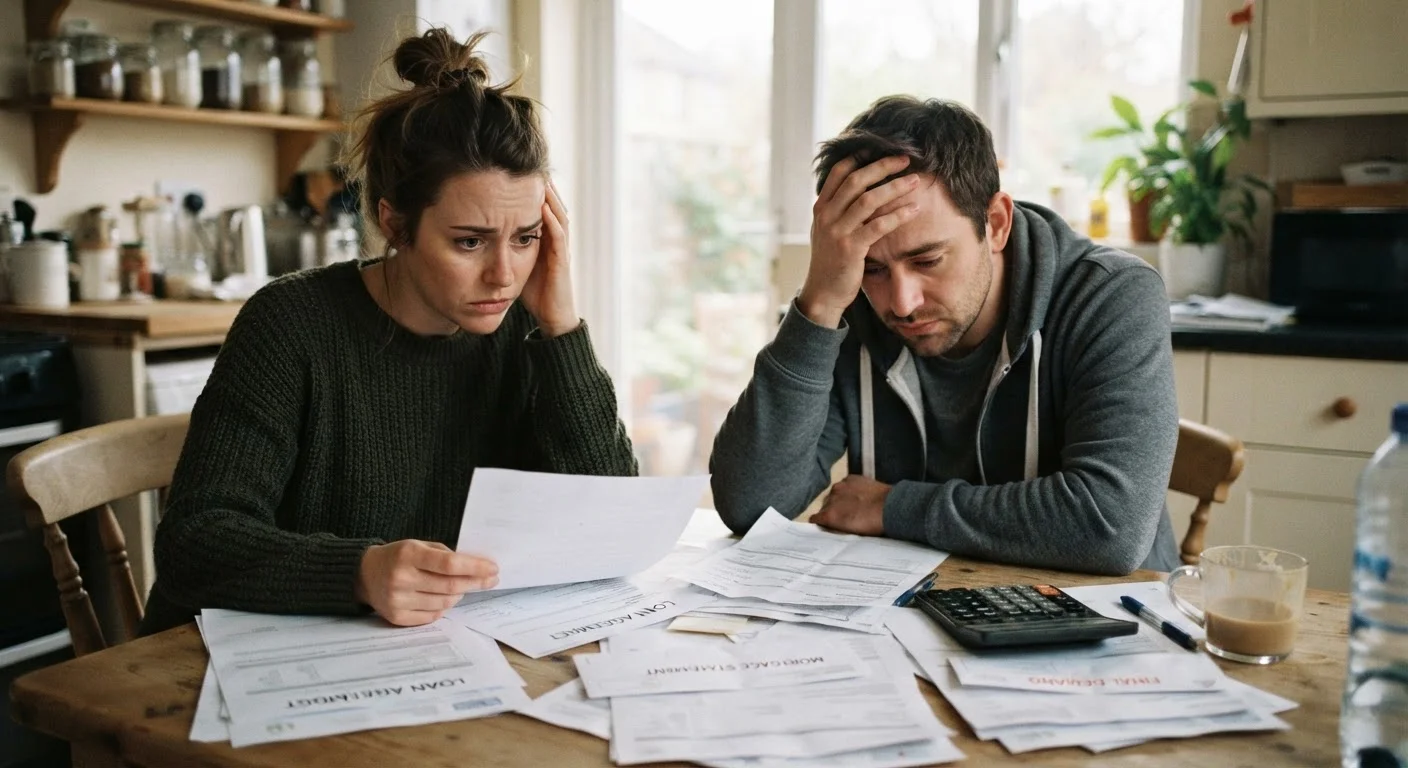
Photo: ShortwebArticles.com | Content For The Curious editorial
Key Takeaways
- Buying a home without adequate savings for emergencies and repairs creates serious financial risk.
- High debt-to-income ratios can strain your budget well beyond just the monthly mortgage payment.
- A low credit score often means higher interest rates, costing tens of thousands more over a loan's life.
- Closing costs, moving expenses, and immediate repairs are frequently overlooked budget items.
- Continuing to rent while building financial stability is a legitimate and often wise strategy.
Why Financial Readiness Matters More Than Desire
Wanting to own a home is understandable — and for many people, it's a sound long-term goal. But wanting to buy and being financially ready to buy are two different things. Purchasing before you've reached a stable financial position can turn an asset into a burden, sometimes for years.
This isn't about waiting for perfect conditions. Market timing is rarely predictable, and chasing a perfect moment carries its own risks. The question is whether your financial foundation is strong enough to absorb the real costs of ownership — not just the mortgage, but everything that comes with it.
Homeownership Costs More Than the Mortgage
Common Mistakes That Put First-Time Buyers at Risk
The mistakes that most frequently derail first-time buyers aren't dramatic — they're predictable oversights that feel minor until they compound. Understanding them in advance is the most practical form of preparation.
Buying without an emergency fund in place.
Ignoring debt-to-income ratio and its real-world impact.
Applying for a mortgage with a damaged or thin credit history.
Forgetting that upfront costs extend far beyond the down payment.
Treating homeownership as always superior to renting.
35%
First-time buyers who underestimated total purchase costs
A National Association of Realtors survey found a significant share of first-time buyers were surprised by costs beyond the down payment and mortgage.
2–5%
Typical closing cost range as a share of home purchase price
According to the Consumer Financial Protection Bureau, buyers should expect to pay 2–5% of the loan amount in closing costs on top of their down payment.
1.5 pts
Average rate difference between excellent and fair credit
Borrowers with lower credit scores frequently receive mortgage interest rates meaningfully higher than those with strong credit, per general lending data.
Building the Foundation Before You Buy
If you've recognized one or more of the above warning signs in your own situation, the constructive response isn't discouragement — it's a concrete preparation plan. That means actively working to reduce debt, build liquid savings, and improve your credit profile before committing to a purchase.
Home repairs and improvements will also be part of the picture once you own. Understanding how to evaluate contractors and anticipate renovation costs — covered in our guide to hiring a contractor — is useful groundwork even before you close.
Buying a home when you're truly ready is a meaningful financial milestone. Buying before you're ready can mean years of strain that erode any equity gain. Taking the time to prepare isn't a delay — it's part of the process done right.
Pre-Approval Is Not a Green Light
This article is for general informational purposes only and does not constitute financial, legal, or real estate advice. Readers should consult qualified professionals before making any homebuying or financial decisions.
The content on this site is for informational purposes only and is not a substitute for professional advice. Always consult a qualified professional for guidance specific to your situation.