
Why Your Credit Score Has So Much Weight in a Home Purchase

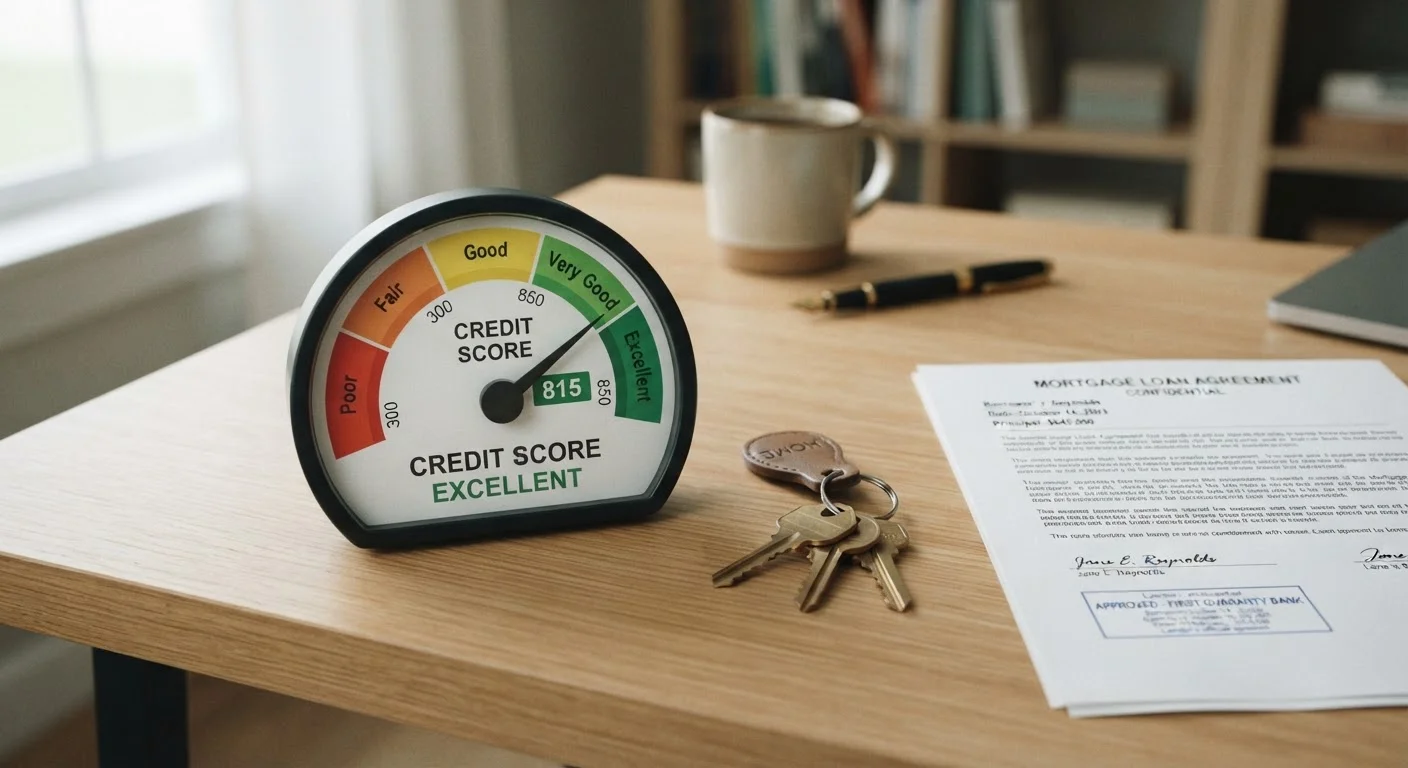
Photo: ShortwebArticles.com | Content For The Curious editorial
Key Takeaways
- Credit scores typically range from 300 to 850; higher scores unlock better mortgage terms.
- Most conventional loans require a minimum score around 620, while FHA loans may accept lower scores.
- A lower credit score often means a higher interest rate, which raises your total loan cost significantly.
- Credit scores also affect private mortgage insurance (PMI) requirements and down payment flexibility.
- Improving your score before applying — even modestly — can have a meaningful financial impact.
- Lenders look at your full credit profile, not just the score number alone.
What Lenders Actually See When They Pull Your Credit
When you apply for a mortgage, lenders don't just glance at your credit score and move on. They review your full credit report — which includes your payment history, total debt load, length of credit history, types of accounts, and any recent applications for new credit. The score is a condensed signal; the report tells the story behind it.
Payment history carries the most weight in most scoring models, accounting for roughly 35% of a FICO® score. Even one missed payment can leave a mark that takes time to fade. Your credit utilization rate — how much of your available revolving credit you're using — is the second largest factor. Lenders generally prefer to see this figure below 30%.
Understanding this fuller picture matters because two borrowers with the same score can look very different on paper. One might have a thin credit file with no derogatory marks; another might have a longer history with some older negatives. Lenders weigh context, not just the number. See what lenders review during pre-approval for a closer look at the full documentation process.
Credit Score vs. Credit Report: Know the Difference
How Your Score Shapes Loan Options and Interest Rates
Your credit score acts as a gatekeeper for different loan programs and, within those programs, determines the terms you're offered. Conventional loans backed by Fannie Mae and Freddie Mac generally require a minimum score around 620, though borrowers below 740 may face add-on fees called loan-level price adjustments (LLPAs) that increase borrowing costs.
FHA loans, insured by the Federal Housing Administration, are structured to serve buyers with lower scores. A score of 580 or above typically qualifies for a 3.5% down payment; scores between 500 and 579 may still qualify but require 10% down. This directly connects credit scores to how much you need for a down payment.
The interest rate impact deserves particular attention. Even a modest difference in rate — say, 0.5 to 0.75 percentage points — compounds dramatically over a 30-year loan. For a $350,000 mortgage, that gap can translate to more than $50,000 in additional interest paid over the life of the loan. To understand how rates ripple through the broader market, see how interest rates shape what homes cost you.
620
Typical minimum score for conventional loans
Most conventional mortgage programs set 620 as the baseline, though scoring below 740 can trigger additional fees.
35%
Weight of payment history in FICO® scoring
According to FICO's published scoring criteria, on-time payment history is the single largest factor in your credit score.
~$50K+
Potential extra interest from a lower rate tier
On a 30-year, $350,000 mortgage, a 0.75-point rate difference can add more than $50,000 in total interest costs over the life of the loan.
Strategies for Strengthening Your Score Before You Apply
If your score isn't where you want it, you have more control than you might think — as long as you plan ahead. The most impactful steps tend to be straightforward: pay every bill on time, reduce credit card balances, and avoid opening new accounts in the months before applying.
It also helps to check your credit reports for errors. Inaccurate information — a payment incorrectly marked late, or a balance that doesn't reflect a payoff — can suppress your score unfairly. You're entitled to free reports from each bureau through AnnualCreditReport.com, and disputes can often be resolved within 30 to 45 days.
Credit score is one piece of a larger financial picture that lenders assess. Your debt-to-income ratio — the share of your gross monthly income going toward debt payments — also carries significant weight in underwriting decisions. Addressing both together gives you the strongest possible position heading into the mortgage process.
Time Your Application Strategically
This article is for general informational and educational purposes only and does not constitute financial, legal, or mortgage advice. Loan requirements, interest rates, and program eligibility vary by lender, loan type, and individual financial circumstances. Consult a licensed mortgage professional for guidance tailored to your situation.
Frequently Asked Questions
The content on this site is for informational purposes only and is not a substitute for professional advice. Always consult a qualified professional for guidance specific to your situation.