
Things People Get Wrong About US Housing Prices

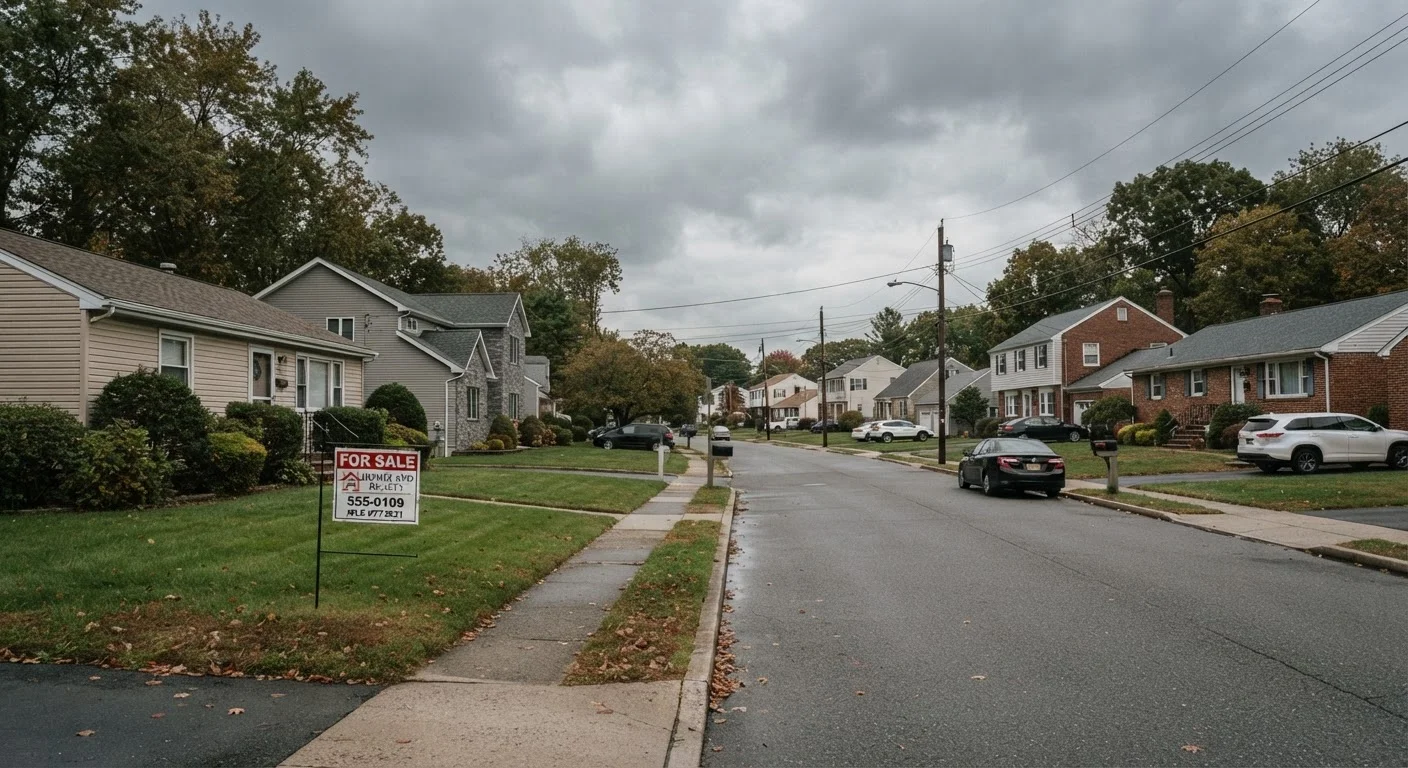
Photo: ShortwebArticles.com | Content For The Curious editorial
Key Takeaways
- National housing price headlines rarely reflect what's happening in any specific local market.
- Home values have declined in real terms before — they are not guaranteed to always rise.
- Median home price is not the same as average price, and each can be misleading without context.
- Timing the housing market is widely considered unreliable even by professional economists.
- Rising mortgage rates don't automatically cause home prices to fall — supply matters too.
Why Housing Price Myths Are So Persistent
Few topics carry more financial and emotional weight for everyday Americans than home prices. That weight makes the housing market fertile ground for myths — oversimplifications that feel logical but often contradict what data actually shows. Many of these misconceptions spread through dinner-table conversation, social media, and breathless news headlines that prioritize drama over nuance.
Understanding what the numbers really mean — and what they don't — can help you make more grounded decisions, whether you're thinking about buying, selling, or simply trying to make sense of what you're reading. For a deeper look at how housing data gets routinely misread, see common housing market misreadings.
Myth
Home values always go up over time, so buying is always a safe investment.
Fact
Home values have declined — sometimes sharply — in real (inflation-adjusted) terms during certain periods, including the 2006–2012 housing correction.
The belief that real estate is a one-way escalator is widespread, but history complicates it. The mid-2000s housing boom was followed by a severe national price decline. Homeowners who bought near the peak in certain markets waited well over a decade to recover their nominal purchase price. Adjusted for inflation, some never fully did. Appreciation is historically common over long periods, but it is not guaranteed in every market or over every holding period. For a clear-eyed look at what price pullbacks actually involve, understanding what a housing correction really means is worth reading.
Myth
The national median home price tells you what homes cost in your area.
Fact
The national median is a single data point averaged across wildly different local markets — it has little direct relevance to any specific city or neighborhood.
When headlines announce a national median home price, that figure blends markets as different as rural Mississippi and coastal California into one number. A market where half the sales are $150,000 starter homes and another where half are $900,000 condos will produce a median that accurately represents neither. Local market data — ideally at the county or zip-code level — is far more relevant for any real decision you're trying to make.
Myth
When mortgage rates rise, home prices automatically fall.
Fact
Higher rates reduce purchasing power, but prices also depend on housing supply — and when inventory is tight, prices can remain elevated even as rates climb.
This assumption treats price as a simple function of affordability, ignoring supply. During periods when housing inventory is severely constrained — meaning far fewer homes are listed than buyers are seeking — sellers retain pricing power even when financing becomes more expensive. Higher rates do cool demand, which can slow price growth or cause modest dips, but a sustained price decline typically requires either a significant supply increase or a broader economic shock that causes widespread selling.
Myth
Now is always a bad time to buy — you should wait for prices to drop.
Fact
Attempting to time the housing market is widely considered unreliable; individual financial readiness and local market conditions are generally more actionable factors.
Many households that waited for a significant price correction through the 2010s and early 2020s saw prices continue climbing while they sat on the sidelines. Predicting the precise top or bottom of a market is something professional economists consistently struggle to do. A more practical framework focuses on your own financial stability — stable income, manageable debt, sufficient down payment, and a realistic plan for how long you'd stay in the home. First-time homebuyer myths covers related misconceptions that can stall would-be buyers unnecessarily.
Myth
A hot national market means every local market is hot.
Fact
Housing markets are intensely local; national trends can run in the opposite direction of conditions in a specific city, neighborhood, or price tier.
During periods described as national seller's markets, specific metros or neighborhoods may simultaneously be experiencing rising inventory, price cuts, and extended days on market. The reverse is also true: pockets of strong demand can persist in cities experiencing broader economic challenges. Reading only national coverage can create a misleading picture of what you'd actually encounter when making an offer in your target area.
What the Data Actually Says — And What It Doesn't
Housing statistics are genuinely complex. A single national figure can mask dramatically different conditions across regions, cities, and even zip codes. As our companion piece on why home prices don't move uniformly explains, local supply constraints, job markets, and migration patterns all pull prices in different directions simultaneously.
~50%
Real home price decline in hardest-hit US markets, 2006–2012
According to S&P CoreLogic Case-Shiller index data, some metropolitan areas saw inflation-adjusted home values fall by roughly half during the post-bubble correction.
3–4x
Price variation between lowest and highest US metro markets
National Association of Realtors data consistently shows median prices in the most expensive metros running three to four times higher than in the most affordable ones, illustrating how little a single national figure conveys.
Seasonality adds another layer. Markets typically see more activity in spring and summer, but this doesn't mean prices uniformly peak then in every region — local conditions vary considerably. For a fuller picture of how the calendar shapes listing behavior, see how seasonality affects home prices and listing activity.
Don't Rely Solely on National Headlines for Local Decisions
If you're in the early stages of exploring a purchase, the Buying a Home hub offers grounded guidance on navigating the full process — financing, offers, and closing — without the noise.
This article is for general informational and educational purposes only and does not constitute financial, investment, or legal advice. Consult a qualified real estate professional or financial adviser before making decisions about buying or selling property.
The content on this site is for informational purposes only and is not a substitute for professional advice. Always consult a qualified professional for guidance specific to your situation.