
Passport, Visa, or Both? How Entry Documents Actually Work

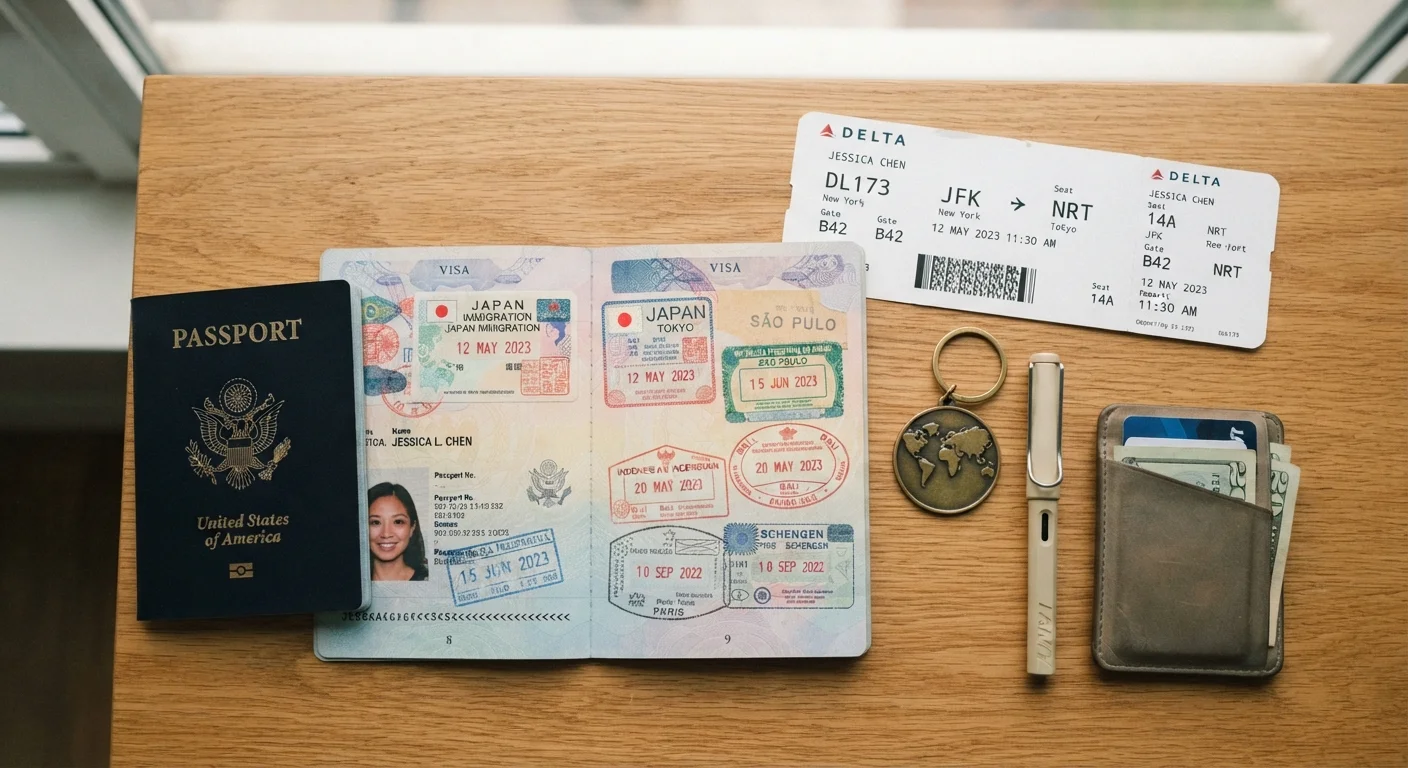
Photo: ShortwebArticles.com | Content For The Curious editorial
Key Takeaways
- Every American international traveler needs a valid US passport — no exceptions at air borders.
- Whether you also need a visa depends on your specific destination country and the purpose of your visit.
- Many popular destinations offer visa-free or visa-on-arrival entry to US passport holders.
- Some countries require electronic travel authorizations that function similarly to visas but are applied for online.
- Passport validity requirements vary — many countries require at least six months beyond your travel dates.
- Always verify entry requirements through official government sources before booking any international trip.
The Passport: Your Identity on the World Stage
Your US passport is issued by the federal government and does two essential jobs: it proves you're a US citizen and it's the document foreign countries use to identify you at their border. Without it, you simply cannot board an international flight departing the United States or clear customs upon arrival abroad.
Passports are valid for 10 years for adults (5 years for children under 16) and need to be renewed before expiration. Here's a detail that trips up first-timers: even a technically valid passport may not be accepted if it's close to expiring. Many countries enforce a six-month validity rule, meaning your passport must remain valid for at least six months after your planned return date. Check your passport's expiration before you book anything — renewing takes time.
For a helpful reminder of everything to confirm before departure, see our pre-trip planning checklist.
186
Countries accessible visa-free with a US passport
According to the Henley Passport Index, US passport holders can access approximately 186 destinations without a prior visa, reflecting the passport's broad global standing.
6 months
Minimum passport validity many countries require
Dozens of popular destinations enforce a six-month validity rule beyond the traveler's intended departure date, a requirement many first-time international travelers overlook.
~150M
Valid US passports in circulation
The US State Department estimates roughly 150 million valid passports are held by Americans, reflecting steady growth in international travel interest.
The Visa: Permission to Enter Someone Else's Country
A visa is granted by the country you want to visit, not by the US government. It signals that the destination country has reviewed and approved your request to enter. Visas can be:
- Stamped or affixed into your passport at a consulate before you travel
- Issued on arrival at the airport or border crossing
- Granted electronically (eVisa) through an online application before departure
Not every trip requires a pre-arranged visa. Thanks to various bilateral agreements, US passport holders can enter many countries — including most of Europe, Mexico, Japan, and Canada — without applying for a visa in advance. In other cases, like visiting India or Kenya, you'll apply for an eVisa online days or weeks ahead of your trip.
Visa requirements also depend on your purpose of travel. Tourism, business, study, and long-term residence each often correspond to different visa categories with different rules and durations.
Apply for Your Visa Earlier Than You Think
When You Need Both — and When One Is Enough
The short answer: you always need your passport for international travel. Whether you need a visa on top of that depends on your destination.
Here's a simple way to think through it:
- Look up your destination country's entry requirements for US citizens on the State Department's official travel portal.
- Confirm whether you need a visa, an eVisa, an electronic travel authorization (like Canada's eTA), or nothing beyond your passport.
- Check your passport's expiration against the destination's validity rules.
- Apply for any required visa with enough lead time — some take weeks to process.
Before your flight, run through the international traveler's pre-departure checklist to make sure documents, health prep, and logistics are all covered. And if you're carrying prescription medications, it's worth reviewing how medication rules vary by country — some require documentation you might not expect.
Frequently Asked Questions
The content on this site is for informational purposes only and is not a substitute for professional advice. Always consult a qualified professional for guidance specific to your situation.