
The Anatomy of a Trip Budget: What Most Travelers Forget to Include

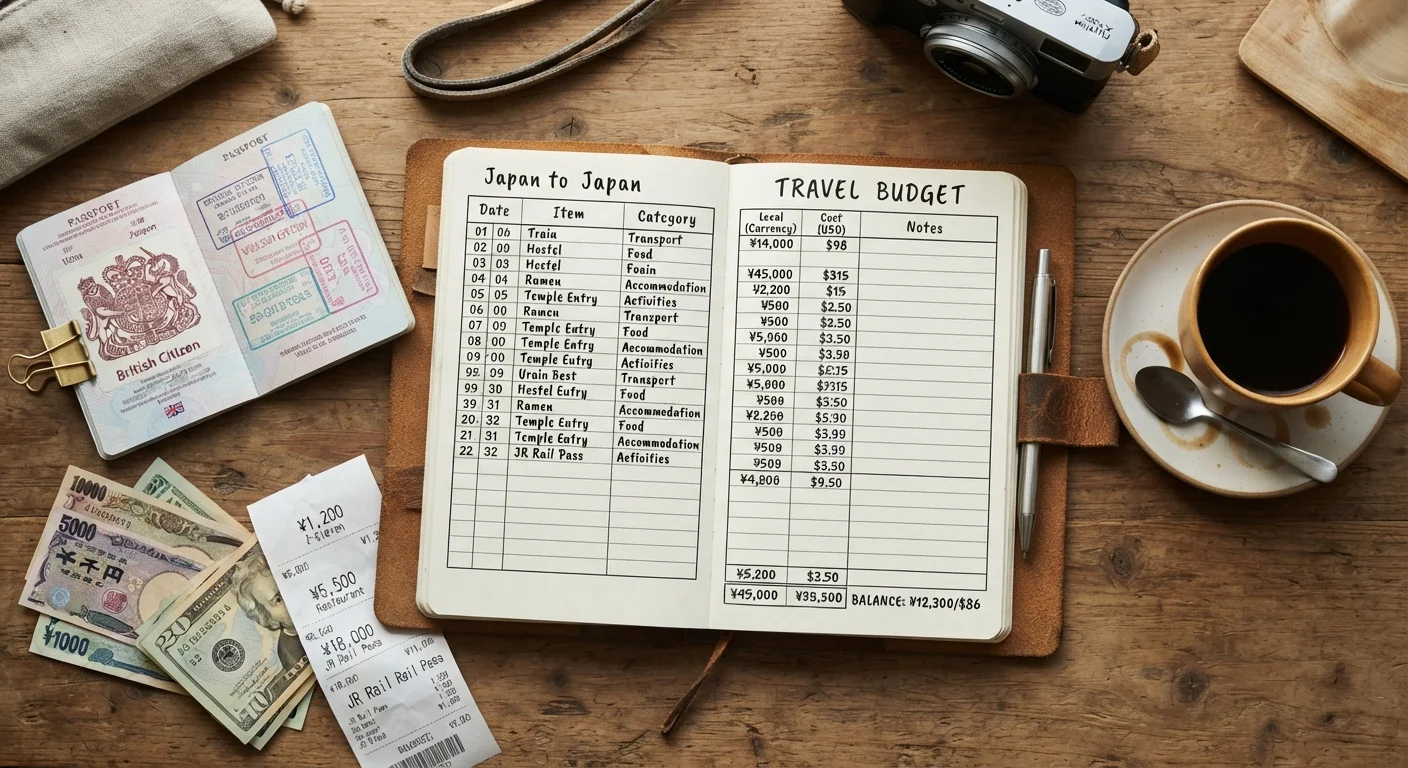
Photo: ShortwebArticles.com | Content For The Curious editorial
Key Takeaways
- Most travelers underestimate trip costs by forgetting fees, tips, and daily incidentals.
- A buffer of 10–15% above your estimated total helps absorb surprise expenses.
- Destination-side costs like transport, entry fees, and meals are frequently overlooked.
- Travel insurance, currency conversion fees, and home costs during travel are common blind spots.
- Building a itemized budget before booking reduces financial stress during the trip itself.
Why Trip Budgets Fall Apart Before You Leave Home
Most travelers plan around two numbers: the flight and the hotel. They look great on paper, but the moment you land, reality adds a dozen line items nobody accounted for. The result? Watching your bank balance shrink faster than expected and feeling the low-grade dread that follows you from museum to restaurant.
The good news is that budget blowouts are almost always preventable — not by spending less, but by planning more completely. If you're new to building financial plans from scratch, the fundamentals of personal budgeting apply directly here: track every category, estimate conservatively, and leave room for the unexpected. A travel budget is just a time-limited version of that same discipline.
The Hidden Cost Categories That Drain Your Wallet
Once you understand why budgets fail, it becomes much easier to patch the gaps. Below are the expense buckets that deserve their own line in your spreadsheet.
~30%
Typical budget overrun for leisure travelers
Travel industry surveys consistently find that leisure travelers spend roughly 20–30% more than their initial estimate, largely due to unplanned activities and daily incidentals.
3–5%
Added cost from foreign transaction and ATM fees
Depending on the card and destination, international banking fees and currency conversion charges can add several percentage points to every overseas purchase.
Getting Around at the Destination
Flights get you there. But how are you getting from the airport to your hotel, between neighborhoods, or to that waterfall an hour outside town? Rideshares, metro cards, rental cars, ferries, and taxis add up fast — especially in cities where distances are deceiving. For road-trippers, fuel, tolls, and parking deserve a dedicated column; see our breakdown of where road trip money actually goes for a granular look.
Entry Fees, Activities, and Tips
A national park pass, a cooking class, a museum ticket, a guided snorkel tour — these are often the best parts of any trip and the first things forgotten in a budget. Research your must-do activities before you book, price them out, and add a 20% buffer for spontaneous additions. Don't forget gratuities: in many parts of the US and some international destinations, tipping is a meaningful portion of service workers' income and should be factored in as a real line item.
Food Beyond the Obvious
Travelers budget for dinners but forget airport meals, afternoon snacks, bottled water in hot climates, and that third coffee of the day. A realistic daily food estimate accounts for all meals plus incidentals — not just the dinners you're excited about.
Travel Insurance
It's easy to skip this until something goes wrong. Understanding what travel insurance actually covers — and what it doesn't — helps you decide whether a policy makes financial sense for your trip. For international travel especially, international travel insurance can cover scenarios your regular health plan won't touch.
Currency and Banking Fees
Foreign transaction fees, ATM withdrawal charges, and unfavorable exchange rates can quietly add 3–5% to every purchase abroad. Check your card's fee structure before departure and consider whether a travel-friendly account makes sense for your situation — but consult your financial institution for specifics relevant to your accounts.
Home Costs That Keep Running
Your rent or mortgage, subscriptions, and utilities don't pause while you're away. Factor in pet boarding or house-sitting, mail holds, and any auto-pay bills that will hit during your trip. These aren't travel costs exactly, but they're part of the financial reality of being away.
For a broader look at how travel fits into your overall financial picture, the complete personal budgeting roadmap can help you see where trip savings fit alongside everyday expenses. And once your budget is set, pair it with a realistic itinerary — an itinerary that holds up in real life will also help you avoid costly last-minute scrambles.
Don't Rely on 'I'll Figure It Out' for International Fees
The content on this site is for informational purposes only and is not a substitute for professional advice. Always consult a qualified professional for guidance specific to your situation.