
National Parks, State Parks, and National Forests: What's the Difference for Road Trippers?

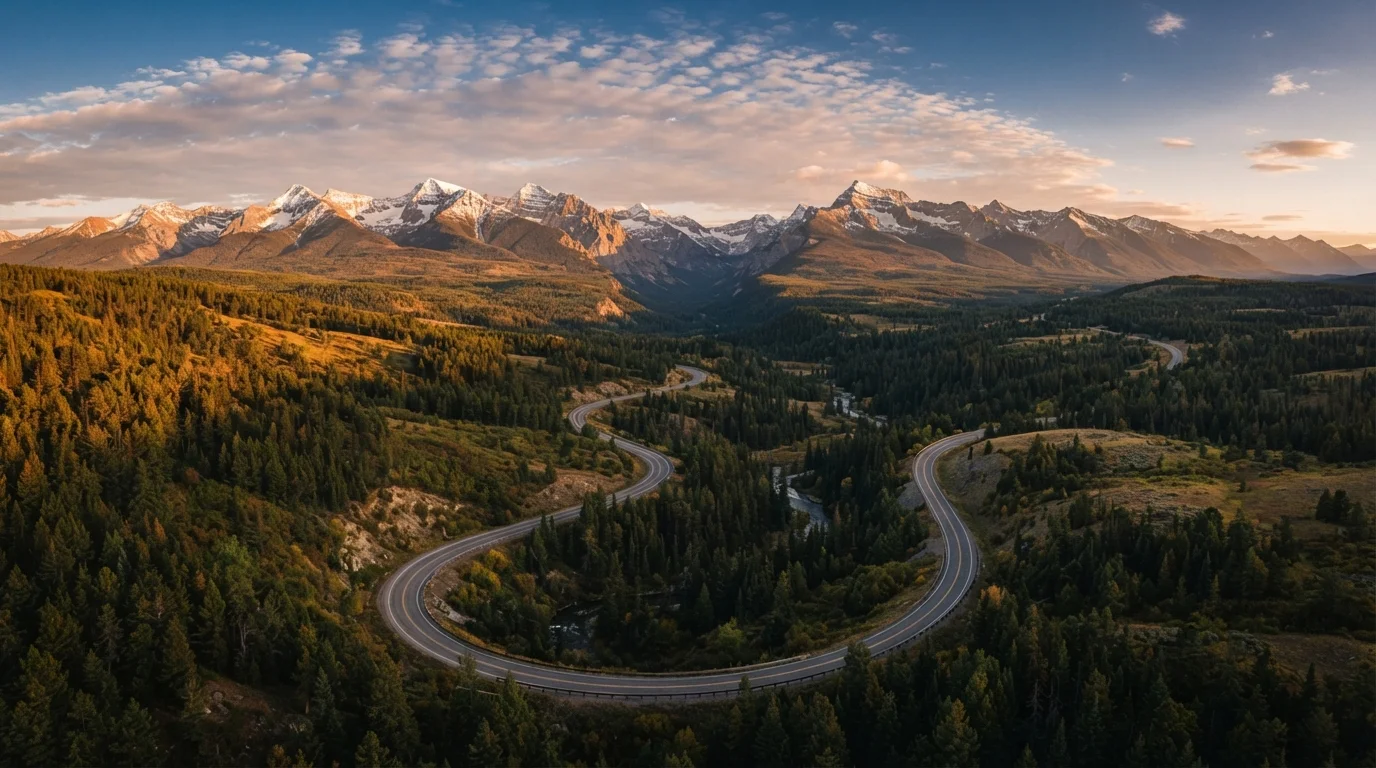
Photo: ShortwebArticles.com | Content For The Curious editorial
Why the Distinction Matters Before You Hit the Road
Pull up a map of any Western state and you'll see enormous swaths of color representing public land. But "public land" isn't one thing — it's at least three very different things, managed by different agencies, under different rules, with different price tags. If you're planning a road trip that swings through any of them (and most do), knowing the difference ahead of time saves real headaches at the gate.
The three categories road trippers encounter most are: National Parks, managed by the National Park Service; State Parks, managed individually by each state's own agency; and National Forests, overseen by the U.S. Forest Service. Each offers genuinely distinct experiences — and assuming they're interchangeable is a common planning mistake.
For a broader orientation to planning your first big drive, see our complete guide to first-time road tripping.
National Parks: Maximum Protection, Maximum Crowds
The 63 units in the National Park System represent America's most iconic landscapes — think Grand Canyon, Yellowstone, Acadia. They're federally protected with strict rules: no off-road driving, no cutting firewood, camping only in designated sites. Development is intentionally limited.
Entry fees vary by park but are charged per vehicle at most major parks. The America the Beautiful Annual Pass covers entry for one vehicle to all fee-charging federal lands for 12 months — widely considered worthwhile for road trippers hitting multiple parks. Reservations for campsites and even timed entry permits are increasingly required at high-demand parks, especially in summer. Book months in advance for places like Zion or Yosemite.
The trade-off for all that grandeur is crowds and infrastructure constraints. Expect paved roads, visitor centers, and rangers — but also full parking lots from May through September. If solitude is your goal, plan around shoulder seasons (spring and fall) or arrive early in the day.
State Parks: Underrated, Accessible, and Wallet-Friendly
Every state runs its own park system, and collectively they include more than 10,000 units across the country. Quality varies widely — Hawaii's state parks feel dramatically different from Michigan's — but so does the crowd level. Many state parks offer genuinely beautiful terrain without the summer crush of a national park equivalent.
Fees are typically lower than national parks, and most states offer their own annual passes covering all in-state sites. Camping availability tends to be better, with more hookups for RVs at developed campgrounds. State parks are also often more centrally located to population centers, making them ideal stops on a regional loop road trip.
One caution: state park reservation systems and rules differ dramatically. Some states use centralized online booking; others require calling individual parks. Research each state's system separately.
National Forests: The Road Tripper's Secret Weapon
National Forests cover roughly 193 million acres across 44 states — nearly three times the area of all National Parks combined. They're managed for multiple uses including recreation, logging, and grazing, which means far fewer restrictions than national parks and, critically, dispersed camping is often allowed for free.
Dispersed camping (camping outside of designated campgrounds, on most National Forest land) is legal in most National Forests without a fee or reservation, typically for up to 14 consecutive days in one spot. This makes National Forests a game-changer for road trippers on tighter budgets. Our road trip budgeting breakdown explains just how much accommodation costs can dominate a trip — free dispersed camping can meaningfully change those numbers.
Roads inside National Forests range from smooth paved two-lanes to rough dirt tracks requiring high clearance. Always check current road conditions with the local ranger district before driving in. Campfire rules vary by fire season and region — check the relevant ranger district's site before your trip for current restrictions.
The content on this site is for informational purposes only and is not a substitute for professional advice. Always consult a qualified professional for guidance specific to your situation.