
Fluid Checks Every Driver Should Be Doing Between Oil Changes

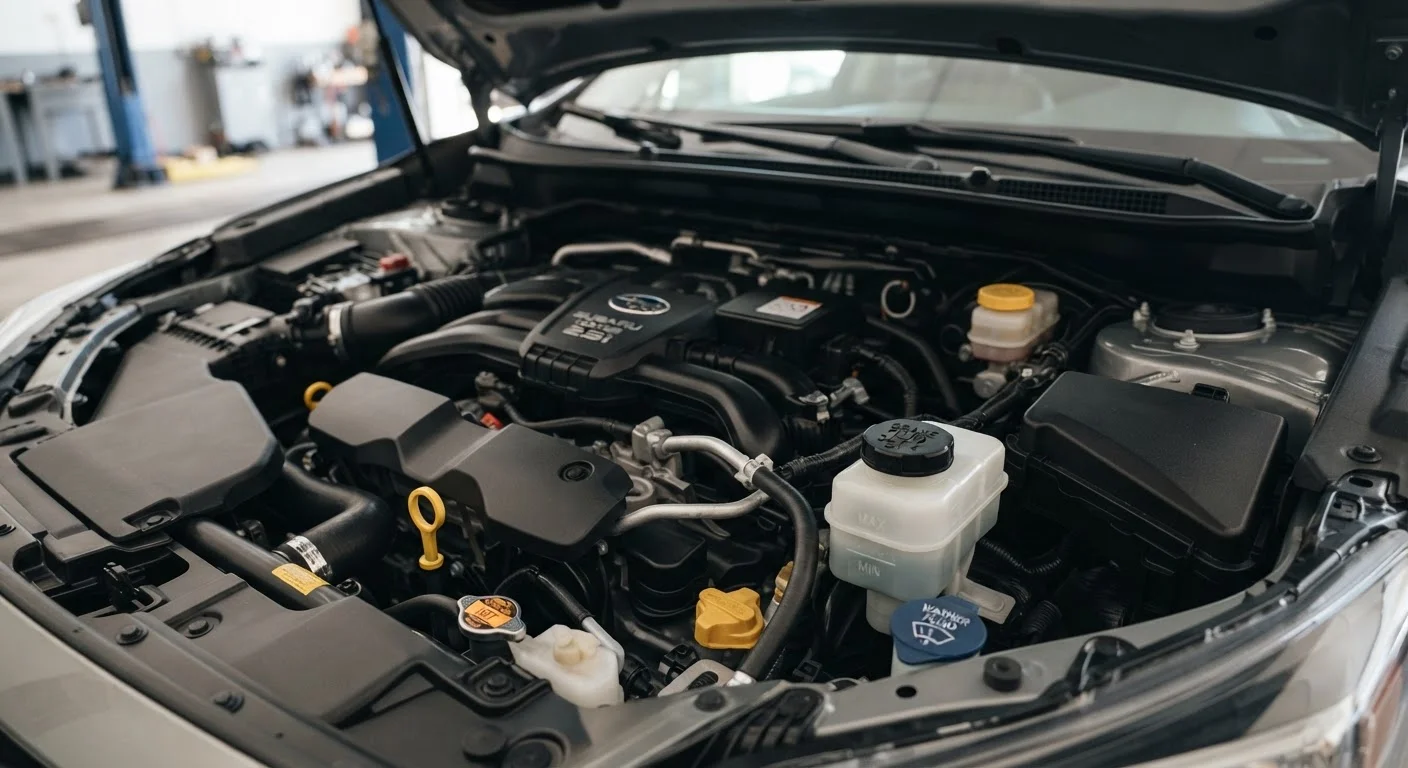
Photo: ShortwebArticles.com | Content For The Curious editorial
Key Takeaways
- Six fluids deserve regular attention between oil changes: coolant, brake fluid, transmission fluid, power steering fluid, windshield washer fluid, and engine oil.
- Most checks take just a few minutes with a cool engine and clean rag — no tools needed.
- Low or contaminated fluid is often the first warning sign of a developing mechanical problem.
- Checking fluids monthly or every few fill-ups can prevent costly repairs and safety hazards.
- Always consult your owner's manual for the correct fluid types and capacity specs for your vehicle.
Why Fluid Checks Matter Between Oil Changes
Oil changes get all the attention, but your vehicle relies on at least five other fluids to operate safely — and none of them reset automatically when you leave the shop. Fluids degrade, absorb contaminants, and can drop in level due to leaks or normal consumption. Catching a problem early is almost always cheaper and safer than discovering it on the road.
If you're building out a broader maintenance habit, this kind of proactive checking fits naturally into a seasonal car maintenance schedule — but you don't need to wait for a season change to start. A monthly walk-around that includes a quick fluid check is one of the highest-value habits a driver can build, and it costs nothing but a few minutes.
Drivers with higher-mileage vehicles have extra reason to stay on top of this. Older seals and gaskets are more prone to slow leaks, and fluid degradation can accelerate. See our guide to keeping a high-mileage car running well for tailored advice.
Check Fluids When the Engine Is Cold
What You'll Need Before You Start
You don't need a toolbox or any mechanical experience to check your vehicle's fluids. The items below cover everything required for a thorough under-hood inspection.
What you will need
Clean lint-free rag
Wiping dipsticks clean before re-inserting for an accurate fluid level reading.
Flashlight
Illuminating the engine bay to locate reservoirs and read fluid levels clearly.
Vehicle owner's manual
Identifying the correct fluid types, fill locations, and acceptable level ranges for your specific vehicle.
One note on fluid types: always use what your owner's manual specifies. Using the wrong coolant type or transmission fluid can cause damage that voids warranties and leads to expensive repairs. If your manual isn't in the glove box, most manufacturers post them online by make, model, and year.
Step-by-Step: Checking Your Vehicle's Fluids
Work through these steps in order. The entire process typically takes 10–20 minutes depending on how many fluids your vehicle uses and how familiar you are with the engine bay layout.
Never Open the Coolant Cap on a Hot Engine
Park on a level surface and let the engine cool
Pull into a flat spot — a driveway or level parking lot works fine. Turn off the engine and, if you've been driving, allow at least 15–30 minutes for things to cool down before opening the hood. Accurate fluid readings depend on a level, settled vehicle.
Check engine oil level and condition
Locate the oil dipstick (usually a brightly colored ring or handle). Pull it out, wipe it clean with your rag, reinsert it fully, then pull it out again. The oil level should fall between the two marks on the dipstick. Also note the oil's color — fresh oil is amber, while very dark or gritty oil may be overdue for a change. See what the numbers on your dipstick are really telling you for a deeper look at oil condition.
Inspect the coolant (antifreeze) reservoir
The coolant reservoir is a translucent plastic tank, typically located near the radiator. You can read the level through the tank wall without opening it — look for MIN and MAX lines. The fluid should be between those marks. Healthy coolant is typically green, orange, or pink depending on the type; a rusty or oily appearance warrants a visit to a mechanic.
Check brake fluid
The brake fluid reservoir is a small, semi-transparent plastic container near the firewall on the driver's side, usually labeled. Check the level visually against the MIN/MAX markings without opening it. The fluid should appear light yellow to pale gold. A consistently low brake fluid level can indicate a leak or worn brake pads. For more on how brake fluid fits into the larger braking system, see how your braking system actually works.
Check transmission fluid (if applicable)
Many automatic transmissions have a dipstick similar to the engine oil dipstick — check your owner's manual for its location, as some newer vehicles have sealed transmissions that require a mechanic to check. On vehicles with a dipstick, the engine typically needs to be warm and running in Park. Healthy transmission fluid is red or pink; dark brown or burnt-smelling fluid suggests it's time for service.
Check power steering fluid and windshield washer fluid
Power steering fluid (on vehicles without electric power steering) sits in a small capped reservoir, often near the front of the engine bay. Check the level against the dipstick or reservoir markings. Low power steering fluid can make steering feel heavy or cause whining noises. Finally, check your windshield washer fluid — it's the one fluid you can top off yourself without any mechanical concern. Use a washer fluid rated for your climate, especially in winter.
If you find a fluid that's consistently low between checks — even if the vehicle seems to drive fine — that pattern warrants a mechanic's inspection. Fluid doesn't disappear on its own; a slow leak or internal consumption issue is usually the cause. And if you've ever wondered whether some of your other maintenance habits are actually necessary, common maintenance myths tested against what mechanics say is worth a read.
Brake Fluid Absorbs Moisture Over Time
The content on this site is for informational purposes only and is not a substitute for professional advice. Always consult a qualified professional for guidance specific to your situation.