
Keeping a High-Mileage Car Running Well

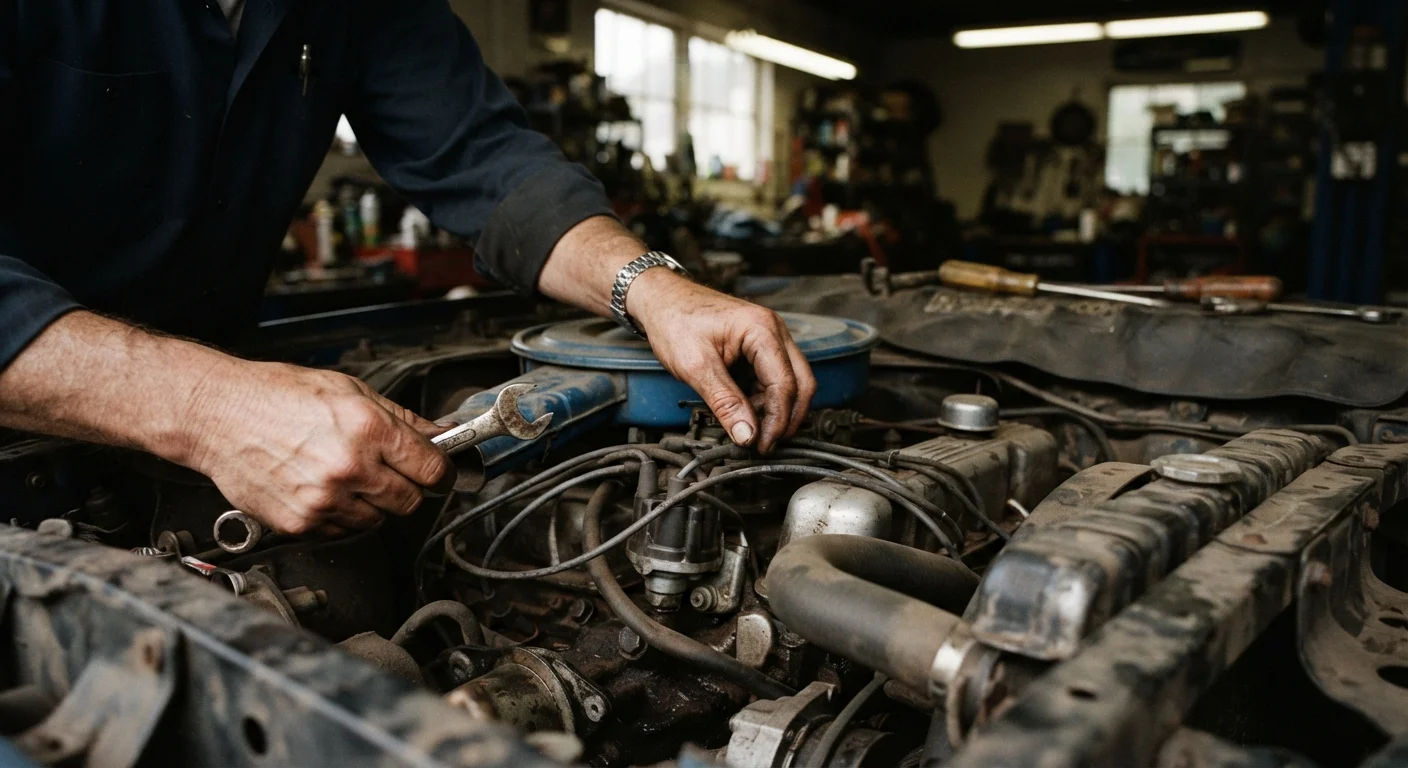
Photo: ShortwebArticles.com | Content For The Curious editorial
Key Takeaways
- High-mileage vehicles need more frequent fluid checks and seal inspections than newer cars.
- Timing belts, coolant hoses, and spark plugs are the components most likely to cause expensive failures if neglected.
- Addressing small leaks and worn parts early is almost always cheaper than waiting for a breakdown.
- A realistic maintenance budget of $500–$1,200 per year is typical for well-maintained vehicles over 100,000 miles.
- Good service records improve resale value and help mechanics diagnose problems faster.
What Changes After 100,000 Miles
Crossing 100,000 miles is less a warning sign and more a milestone that signals your car has entered a different stage of life. Rubber components — hoses, belts, gaskets, and seals — have been through years of heat cycling and begin to lose flexibility. Metal parts accumulate microscopic wear. None of this means the car is unreliable, but it does mean the margin for skipping maintenance shrinks.
Many vehicles built in the last two decades routinely reach 150,000 to 200,000 miles when properly serviced. The key shift for owners is moving from a reactive mindset (fixing things when they break) to a proactive one (replacing wear items on a schedule before they fail). That change in approach is what separates a car that keeps running from one that leaves you stranded.
"High Mileage" Doesn't Mean the Same for Every Car
The Maintenance Items That Matter Most
Not all maintenance is equally urgent on a high-mileage vehicle. These are the areas that have the biggest impact on longevity and reliability:
- Timing belt or chain: If your engine uses a timing belt (check your owner's manual — many do), it typically has a replacement interval between 60,000 and 105,000 miles. A snapped belt can destroy an engine entirely. If you're unsure whether yours has been replaced, treat it as overdue.
- Spark plugs and ignition components: Worn plugs cause misfires, reduce fuel economy, and stress the catalytic converter. Extended-life plugs are typically replaced every 60,000–100,000 miles.
- Coolant hoses and thermostat: Rubber hoses become brittle and can burst without warning. Inspecting them annually becomes worthwhile past 100k.
- Transmission service: Automatic transmissions benefit from fluid changes every 30,000–60,000 miles; many owners skip this and pay for it later.
- Serpentine belt: This single belt drives your alternator, power steering pump, and AC compressor. Most should be replaced by 90,000–100,000 miles if not already done.
When buying a used high-mileage vehicle, ask specifically whether the timing belt has been replaced and request documentation. If the seller can't confirm it, price that service into your offer — it's not optional.
Switch to a high-mileage-specific motor oil formulation past 75,000–100,000 miles. These blends typically contain seal conditioners that can reduce minor seepage from aging gaskets without any downside.
For a full season-by-season service overview, see the seasonal car maintenance schedule.
Fluids: Your First Line of Defense
Fluids do a lot of work — lubricating, cooling, cleaning, and protecting metal surfaces. In high-mileage engines, checking fluid levels and condition more frequently pays real dividends.
200,000+
Miles many modern vehicles can reach
Consumer Reports and industry data suggest well-maintained modern vehicles routinely surpass 200,000 miles, particularly Japanese makes.
$1,186
Average annual vehicle maintenance and repair cost
According to AAA's annual Your Driving Costs study, average vehicle maintenance and repair costs are roughly $1,000–$1,200 per year for a typical American driver.
3–5×
Cost of breakdown vs. preventive repair
Industry estimates consistently suggest that emergency roadside repairs and towing costs are several times higher than addressing the same issue proactively during a scheduled service visit.
- Engine oil: Some older or high-mileage engines benefit from a slightly higher-viscosity oil (e.g., switching from 5W-30 to 10W-30) to compensate for increased internal clearances. Your mechanic can advise based on your specific engine.
- Power steering fluid and brake fluid: Both absorb moisture over time. Brake fluid with high moisture content raises the boiling point threshold and can compromise braking performance — it's often overlooked.
- Differential and transfer case fluid (on trucks and SUVs): These are easy to forget but important for drivetrain longevity.
Minor oil seepage around gaskets is common past 100k and often manageable. A small drip on the driveway worth monitoring; a puddle forming quickly is worth diagnosing promptly. See our guide on DIY vs. shop maintenance to know which fluid services you can handle yourself.
What to Watch For Between Services
Your car communicates problems before they become serious failures — if you pay attention. Here are the most meaningful signals in a high-mileage vehicle:
Don't Ignore a Sudden Oil Consumption Increase
- New or changing noises: Knocking, ticking, or grinding sounds that weren't there before warrant attention. Ticking near the top of the engine often indicates low oil pressure or a need for a valve adjustment.
- Dashboard warning lights: The check engine light alone covers hundreds of potential codes. A diagnostic scan (available free at many auto parts stores) tells you which system triggered it — don't ignore it.
- Changes in ride or handling: Pulling to one side, vibration through the steering wheel, or a bouncy ride can indicate worn shocks, struts, or tire issues.
- Longer stopping distances: If the car feels like it takes more distance to stop, brake pads, rotors, or fluid may be due for service.
- Fuel economy drops: A meaningful decline in miles per gallon often points to a dirty air filter, failing oxygen sensor, or tune-up items that are overdue.
Budgeting for High-Mileage Ownership
One of the most common mistakes high-mileage car owners make is budgeting only for oil changes and then getting caught off guard by a $900 timing belt job. Planning ahead changes the financial picture significantly.
A reasonable annual maintenance and repair estimate for a well-maintained vehicle in the 100,000–150,000-mile range is roughly $500 to $1,200 per year, though this varies considerably by make, model, age, and region. Luxury European vehicles tend to run higher; Japanese economy cars tend to run lower. This figure doesn't include major unexpected repairs — that's what an emergency fund is for.
One practical approach: set aside a small monthly amount specifically for car maintenance. Even $75–$100 per month accumulates into a buffer that prevents deferred maintenance from snowballing into larger failures.
Build a Simple Monthly Car Fund
For broader context on what it costs to own and maintain a vehicle, the car ownership hub covers financing, insurance, and total cost of ownership considerations.
Keeping Good Records
A folder — physical or digital — with your vehicle's service history does more than keep you organized. It tells a mechanic exactly what's been done and when, which speeds up diagnosis and avoids duplicating work. It also matters if you ever sell the vehicle or need to make a warranty claim on a part.
At a minimum, keep receipts for oil changes, major services, and any parts replaced. Note the mileage for each entry. If you've owned the car since new and have complete records, that documentation can genuinely increase what a private buyer will pay.
For a deeper look at what records are worth keeping — and why they matter beyond just resale — see the maintenance records every car owner should keep.
This article is for general informational purposes. Always consult a qualified mechanic before making decisions about your specific vehicle's maintenance or repair needs.
The content on this site is for informational purposes only and is not a substitute for professional advice. Always consult a qualified professional for guidance specific to your situation.