
The Maintenance Records Every Car Owner Should Keep — and Why Lenders and Buyers Care

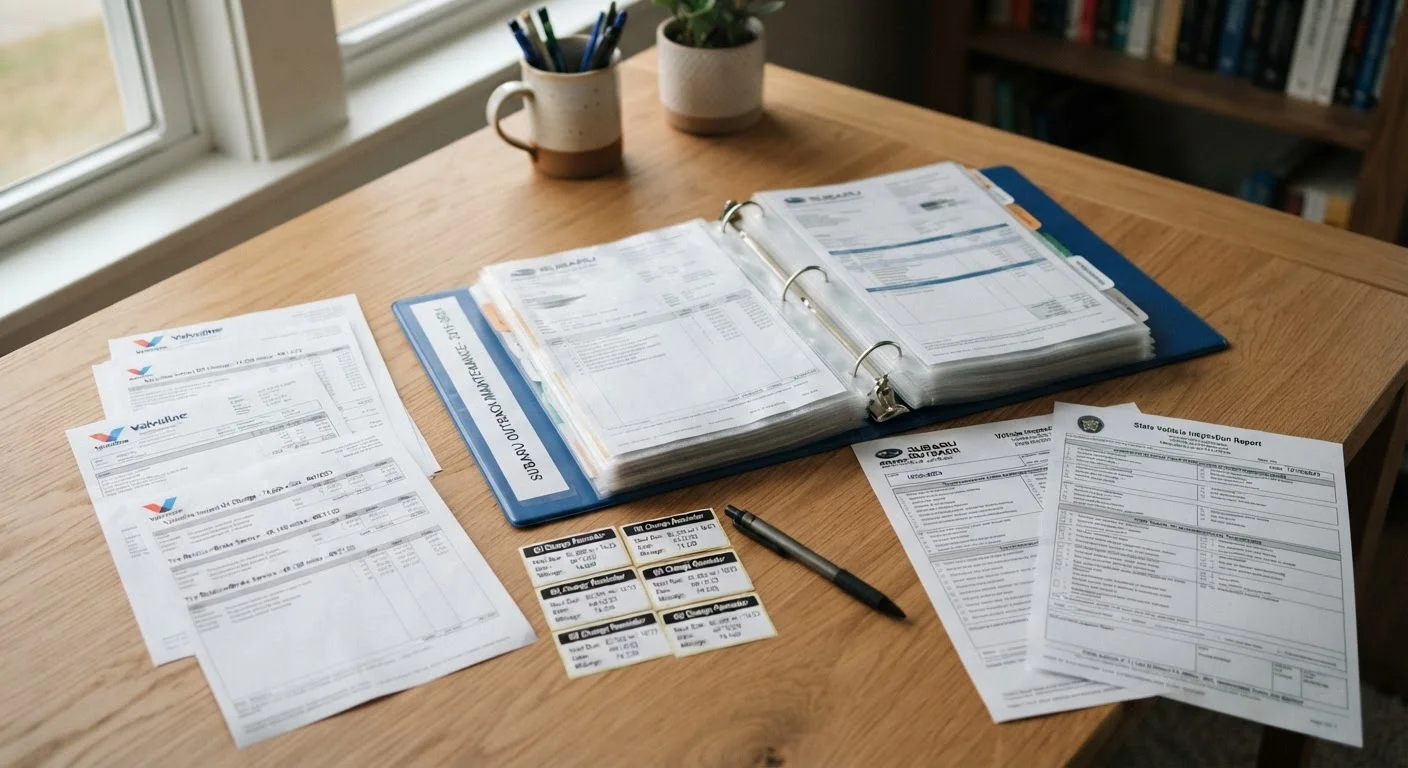
Photo: ShortwebArticles.com | Content For The Curious editorial
Key Takeaways
- A documented service history can meaningfully support your car's resale value and buyer confidence.
- Lenders and dealers sometimes factor maintenance records into used-vehicle valuations and financing discussions.
- Even handwritten notes and photos of DIY work can count as useful supporting documentation.
- Keeping records digitally ensures you never lose them, even if a paper folder gets misplaced.
Why Service Records Matter Beyond the Garage
Most drivers think of maintenance records as a personal reference — something to check when they can't remember the last oil change. In reality, these documents function more like a vehicle résumé. When you sell, trade in, or even refinance your car, a documented history of care can influence how the vehicle is valued and how quickly a deal comes together.
Buyers of used vehicles are often paying as much for certainty as they are for the car itself. A full set of organized receipts reduces uncertainty about what they're getting. Dealers and private buyers alike tend to offer less — or simply walk away — when a vehicle's history is unclear. Understanding how depreciation works helps explain why documented care is one of the few owner-controlled factors that can slow value loss.
“A vehicle's service history is one of the few things a used-car buyer can use to verify how the previous owner actually treated the car. Without it, buyers and appraisers are left guessing — and they'll usually guess conservatively.”
— Consumer Reports Auto Editors, Vehicle reliability and ownership research team
The Records Worth Keeping
Not all documentation carries equal weight. Here are the categories that matter most:
Save every dated service receipt, even for routine work.
Record every DIY maintenance task in a simple logbook or notes app.
Keep warranty-related documents separate and accessible.
Organize records by category and store both a physical and digital copy.
Retain recall notices and proof of completion.
Note major inspections and emissions test results.
Records Apply to Leased Vehicles Too
Getting Started — and Staying Consistent
The hardest part of maintaining a service record is starting when you're behind. But even a partial history is better than none. Begin with whatever you have, build from today forward, and label everything with date and mileage.
If you're deciding which tasks to handle yourself versus bringing to a shop, this breakdown of DIY versus professional service helps set realistic expectations. Either way, the work only counts in the eyes of a future buyer or lender if it's documented.
For drivers planning to hold a vehicle long-term, consistent recordkeeping pays compounding dividends. The habits that keep high-mileage cars reliable are the same ones that generate the most compelling service histories.
The content on this site is for informational purposes only and is not a substitute for professional advice. Always consult a qualified professional for guidance specific to your situation.