
Keeping a Car Long-Term: What Well-Maintained Vehicles Actually Require

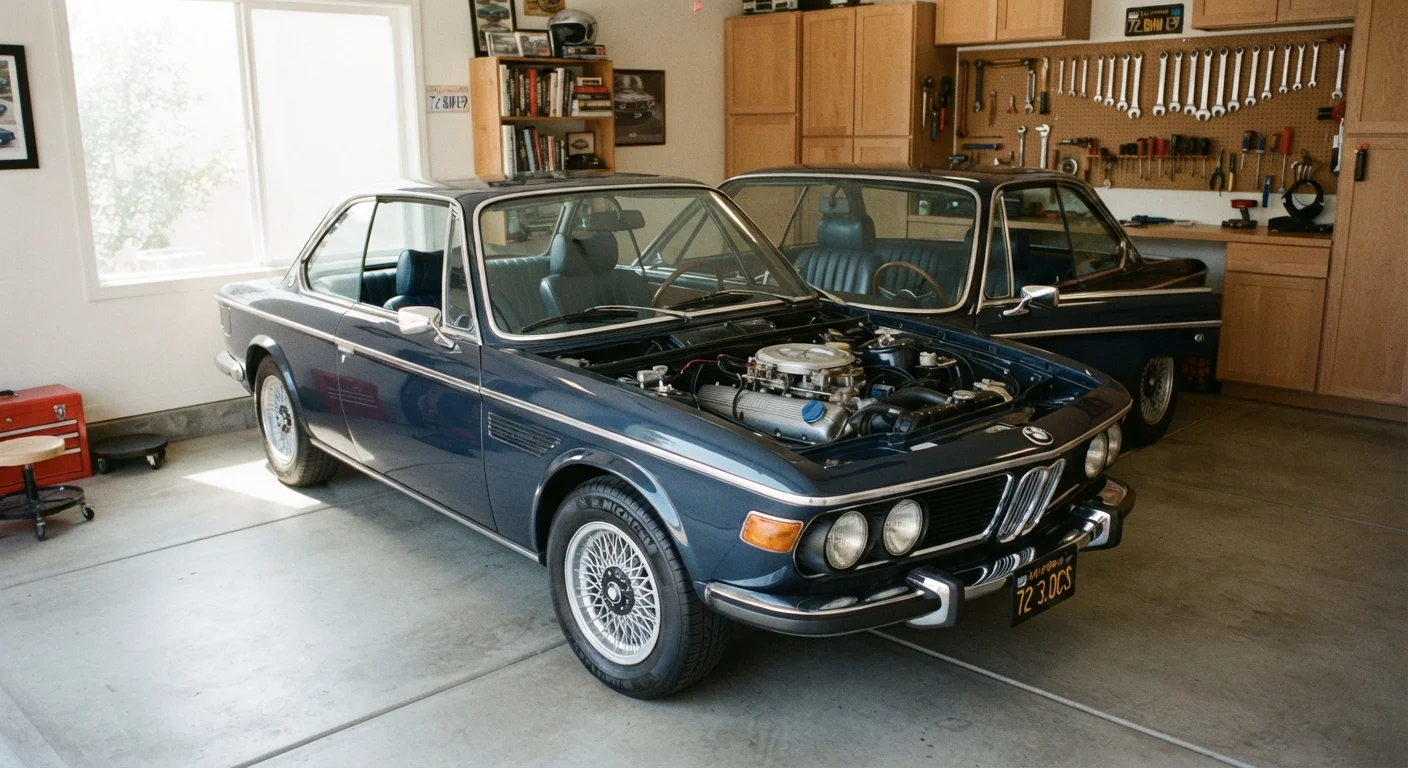
Photo: ShortwebArticles.com | Content For The Curious editorial
Key Takeaways
- Following the owner's manual service schedule is the single most reliable predictor of long-term vehicle health.
- Fluids, filters, and timing components are the hidden workhorses of high-mileage reliability — neglecting them is costly.
- Organized maintenance records protect resale value and support warranty claims, so documentation matters as much as the service itself.
- High-mileage vehicles need targeted attention to seals, belts, and cooling systems that standard schedules may not fully address.
Why Long-Term Ownership Starts with the Owner's Manual
Driving a car past 150,000 miles is less about luck and more about discipline. The foundation of any long-term maintenance strategy is the owner's manual service schedule — a document most drivers never fully read. Manufacturers engineer these intervals based on real-world testing, and skipping or stretching them accelerates wear in ways that often aren't visible until something breaks.
Two schedules typically appear: normal and severe. Severe duty applies if you regularly drive in stop-and-go traffic, tow loads, operate in extreme temperatures, or make frequent short trips where the engine never fully warms up. Many urban and suburban drivers fall into the severe category without realizing it, meaning their actual service intervals should be shorter than the standard recommendation.
See our seasonal maintenance guide for a practical breakdown of what to check and when throughout the year.
Follow the manufacturer's oil change interval — not the old universal rule.
Inspect and replace the timing belt on the manufacturer's schedule without exception.
Change transmission fluid at real-world intervals, not just "lifetime" recommendations.
Monitor tire pressure monthly and rotate tires every 5,000–7,500 miles.
Flush and replace coolant on schedule and inspect hoses for cracking or swelling.
The Systems That Most Often Determine Whether a Car Makes It
Not all maintenance tasks carry equal weight. A few systems, when neglected, can end a vehicle's life prematurely and expensively.
Engine oil and cooling: Oil is the engine's lifeblood. Chronic low levels or extended change intervals accelerate internal wear. The cooling system — including the coolant itself, hoses, and the thermostat — prevents overheating, which is one of the fastest ways to cause irreversible engine damage.
Timing belt or chain: Vehicles with a rubber timing belt (check your manual) require replacement on a strict schedule, often between 60,000 and 105,000 miles depending on the manufacturer. A failed timing belt typically causes catastrophic engine damage. Timing chains last longer but are not maintenance-free; low oil pressure can cause them to stretch and fail.
Transmission fluid: Automatic transmission fluid degrades and, if never changed, leads to slipping, rough shifts, and eventually transmission failure — one of the more expensive repairs a car can need. Many manufacturers list this as a "lifetime" fill, but many mechanics recommend changes in real-world conditions well before the end of vehicle life.
“The most expensive repair is almost always the one that could have been prevented. Maintenance isn't a cost — it's an investment in avoiding a much larger cost later.”
— A Senior ASE-Certified Master Technician, Automotive Service Excellence (ASE) Certified Master Technician with over 20 years of shop experience
If you're navigating a higher-mileage vehicle already, the high-mileage car guide covers what to prioritize once you're past 100,000 miles.
Documentation: The Maintenance Habit That Pays You Back
Keeping organized records of every service — oil changes, brake jobs, tire rotations, fluid flushes — does more than confirm a car is cared for. It creates a diagnostic history that helps mechanics spot patterns, verifies warranty compliance, and meaningfully supports resale value.
The maintenance records guide explains exactly what to save and why it matters for resale and warranty conversations.
Also worth reading: the car maintenance myths article, which separates commonly repeated advice from what mechanics actually say works.
"Lifetime" Fluid Claims Deserve Scrutiny
The content on this site is for informational purposes only and is not a substitute for professional advice. Always consult a qualified professional for guidance specific to your situation.