
Vehicle Depreciation Explained: Why Your Car Loses Value Over Time

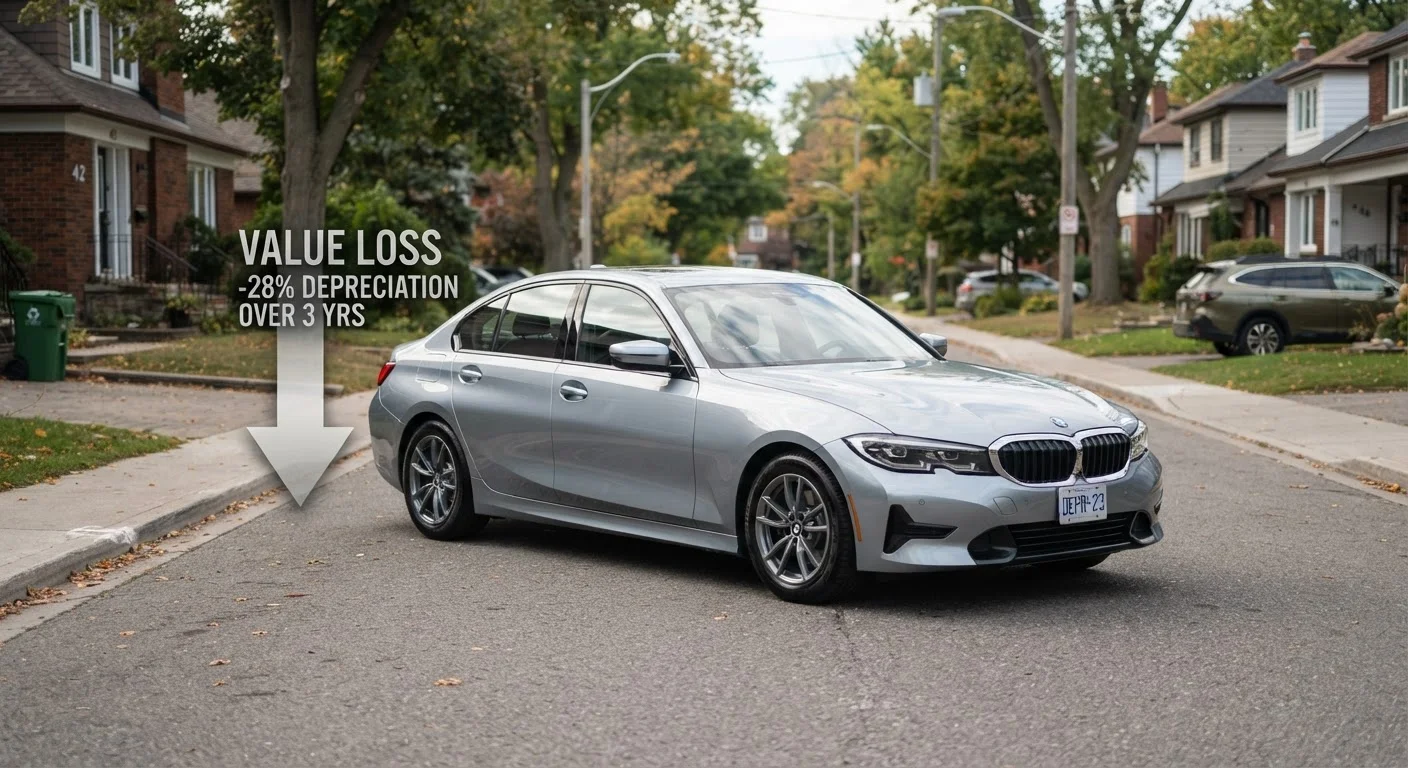
Photo: ShortwebArticles.com | Content For The Curious editorial
Key Takeaways
- New cars can lose roughly 20% of their value within the first year of ownership.
- Depreciation is often the single largest cost of owning a vehicle over time.
- Mileage, condition, and vehicle history all influence how quickly a car loses value.
- Buying a used vehicle lets someone else absorb the steepest early depreciation.
- Keeping maintenance records can help slow the pace of perceived value loss at resale.
What Depreciation Actually Means for Car Owners
The moment a new car is purchased and driven off the lot, its resale value begins to fall. This decline — depreciation — isn't a flaw or an accident. It's a predictable economic reality tied to age, use, and the availability of alternatives on the market.
Unlike a mortgage payment or an insurance premium, depreciation doesn't come with a monthly invoice. That invisibility makes it easy to overlook, but it's very real. For many drivers, depreciation accounts for more of their total vehicle cost than fuel, maintenance, and insurance combined. It's a central part of understanding the true cost of owning a car.
Depreciation matters most at two moments: when you're deciding what to buy, and when you're ready to sell or trade in. Understanding the concept helps you make more informed decisions at both points.
~20%
Average value lost in year one
Many industry sources estimate new vehicles lose roughly 15–20% of their value in the first 12 months after purchase, though this varies by make and market.
40–60%
Typical 5-year depreciation range
By the end of five years, a broad range of vehicles have lost between 40% and 60% of their original value, according to widely cited automotive valuation data.
#1
Largest cost of car ownership for many drivers
Depreciation is frequently cited as the single largest component of total vehicle ownership cost, exceeding fuel and maintenance for many drivers over a typical ownership period.
How Fast Does a Car Lose Value?
The sharpest drop in value tends to occur early in a vehicle's life. A new car may lose a significant portion of its value within the first one to two years — some estimates suggest 15–20% in year one alone, though this varies widely by vehicle type and market conditions.
By years three through five, the rate of depreciation generally slows, but the cumulative loss continues to grow. A vehicle that cost $35,000 new may be worth considerably less than half that amount five years later, depending on mileage and condition.
This steep early drop is one reason many financial writers and advisers point out that buying a vehicle that's two or three years old can offer better value — someone else has already absorbed the sharpest depreciation. That trade-off is explored in depth in our comparison of new cars versus used cars.
What Drives Depreciation — and What You Can Influence
Several factors shape how quickly a specific vehicle loses value:
- Mileage: Higher mileage signals more wear and typically reduces resale value. Buyers and dealers factor this in directly.
- Condition: Dents, worn interiors, and deferred maintenance all reduce what a vehicle commands on the used market.
- Vehicle history: Prior accidents or unclear ownership records can significantly cut resale value, even if the car drives fine today.
- Market demand: Some segments — certain SUVs, trucks, and fuel-efficient vehicles — tend to hold value better simply because demand for them stays strong.
- Brand and model reputation: Vehicles with strong long-term reliability reputations generally depreciate more slowly than those with higher ownership costs.
Some of these are outside your control. Others aren't. Staying current on scheduled maintenance and keeping records of that service is one concrete way to support your vehicle's resale value. Organized maintenance records signal to buyers and lenders that the vehicle has been cared for.
Protect Resale Value From Day One
Depreciation and Your Financial Decisions
Depreciation affects more than resale day. It factors into leasing, financing, and trade-in conversations in ways that catch many buyers off guard.
When you lease a vehicle, you're essentially paying for the depreciation that occurs during the lease term — not the full vehicle cost. That's why lease payments are calculated using a vehicle's projected residual value. Understanding this can help you evaluate whether a lease deal reflects realistic numbers. For a side-by-side look at how this plays out, see our breakdown of buying versus leasing.
For financed purchases, rapid early depreciation creates a risk called being underwater or upside down — owing more on the loan than the vehicle is currently worth. This can become a problem if you need to sell or if the vehicle is totaled in an accident. Understanding depreciation upfront reduces the likelihood of being caught in this position.
“Depreciation is the cost most car buyers never see coming — it doesn't show up on a monthly statement, but it's the largest check you'll write for most vehicles you own.”
— Cars Editorial Team, Automotive Ownership Cost Analysts, Nexus
First-time buyers are especially prone to underestimating depreciation's impact. It's one of several car ownership myths that can lead to costly decisions down the road.
Frequently Asked Questions
The content on this site is for informational purposes only and is not a substitute for professional advice. Always consult a qualified professional for guidance specific to your situation.