
The True Cost of Owning a Car in America

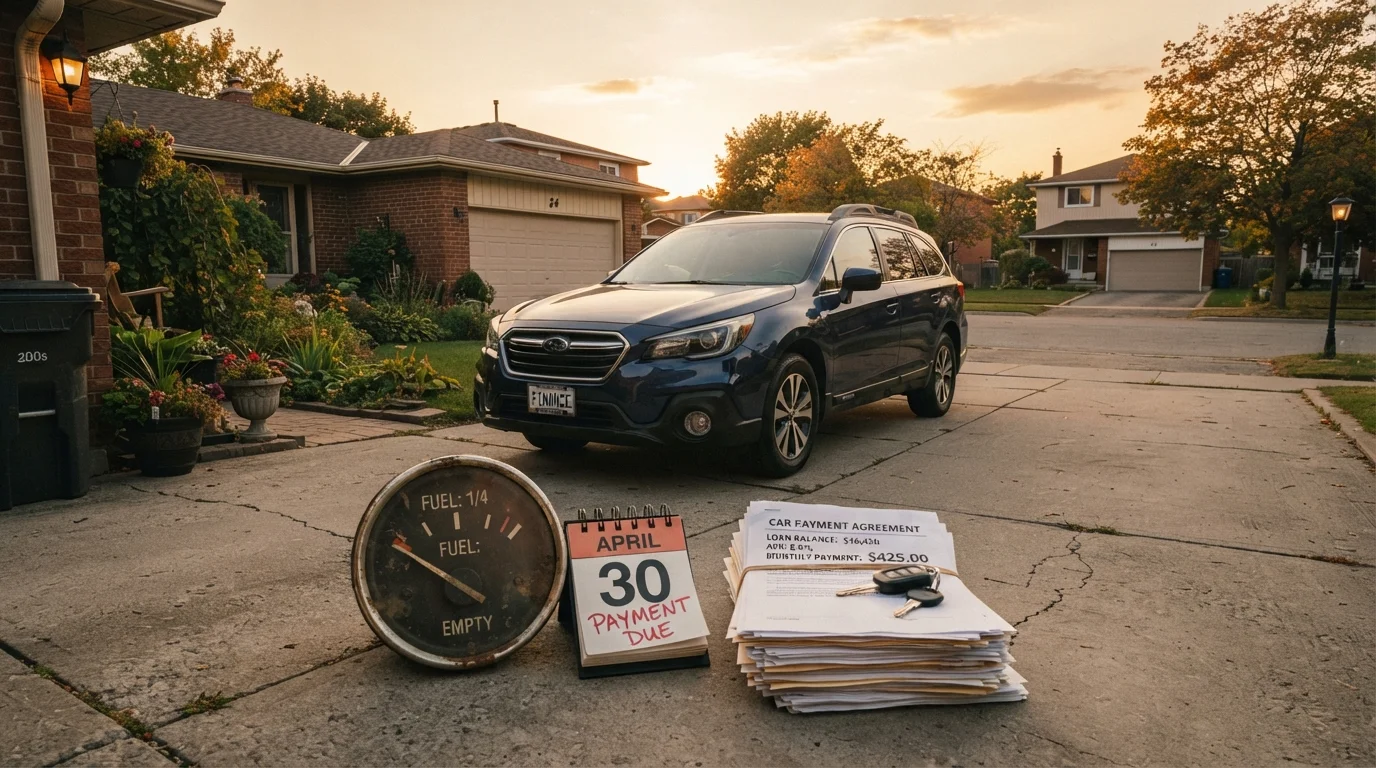
Photo: ShortwebArticles.com | Content For The Curious editorial
Key Takeaways
- The average American spends well over $10,000 per year on total vehicle ownership costs.
- Depreciation typically accounts for the single largest share of ownership expense.
- Insurance, fuel, and maintenance costs vary widely by vehicle type, location, and driving habits.
- Financing a car means paying interest on top of every other cost — those charges compound.
- A complete budget accounts for both predictable and unpredictable expenses across the vehicle's life.
Why the Sticker Price Is Only the Beginning
Most drivers focus on the monthly payment when evaluating whether they can afford a car. That figure captures the loan, but it misses most of what owning a vehicle actually costs. The American Automobile Association (AAA) has tracked total vehicle ownership costs for decades, and their data consistently shows that the all-in number is substantially higher than buyers anticipate.
When you add depreciation, insurance, fuel, maintenance, tires, registration fees, and financing interest together, total annual costs for a new vehicle can exceed $10,000 for many drivers. That translates to roughly $800 or more per month — often twice what the loan payment alone suggests.
Understanding these costs before you commit is how you avoid financial strain after the fact. Whether you're buying new, buying used, or weighing alternatives, the complete picture matters. If you're also evaluating other large fixed expenses, see how the same kind of layered cost analysis applies in our article on the full cost of renting.
$10,728
Average annual cost to own a new vehicle
According to AAA's annual Your Driving Costs study, which factors in depreciation, financing, insurance, fuel, maintenance, and fees.
~20%
Value lost in a new car's first year
Industry estimates consistently show new vehicles lose roughly 15–20% of their value in year one, with the steepest depreciation in early ownership.
$1,765
Average annual auto insurance premium
Based on Bankrate's analysis of national average full-coverage auto insurance costs, with significant variation by state and driver profile.
Depreciation: Your Biggest Hidden Cost
Depreciation is the loss in a vehicle's value over time — and it's typically the largest single cost of ownership, yet it never shows up on a monthly statement. A new car can lose roughly 20% of its value in the first year alone, and up to 50% over five years, depending on the make, model, and market conditions. These figures vary and are not guaranteed, but the directional reality is consistent: new vehicles shed value quickly.
Because depreciation is invisible in day-to-day finances, many owners underestimate it. It only becomes tangible when you sell or trade in the vehicle and receive far less than you paid. Thinking of depreciation as a real monthly cost — even if money isn't leaving your account — gives you a more honest view of what you're spending.
When comparing vehicles, calculate the projected five-year depreciation alongside the purchase price — not just the monthly payment. A vehicle that holds its value better can cost thousands less in total, even with a higher sticker price.
Set aside a separate 'car repair fund' of at least $50–$100 per month from day one of ownership, even on a new vehicle. When unexpected repairs arrive — and they will — having that reserve prevents the cost from becoming a debt problem.
Used vehicles generally depreciate more slowly because the steepest part of the curve has already occurred. That's one reason buying a vehicle a few years old can offer better value, though every situation is different. If you're deciding between buying and leasing, our breakdown of buying vs. leasing costs walks through how depreciation factors into each path.
Insurance, Registration, and Taxes
Auto insurance is a legal requirement in nearly every U.S. state, and premiums vary considerably based on your location, driving history, age, credit score (in most states), and the vehicle itself. National averages for full-coverage insurance commonly run between $1,500 and $2,500 per year, though drivers in high-cost states or with certain risk profiles may pay significantly more.
Registration fees and annual vehicle taxes add hundreds of dollars more, with amounts set by individual states and sometimes counties. Some states base registration fees on vehicle value or weight; others charge a flat rate. Sales tax at the point of purchase can add thousands to the upfront cost, and it's often rolled into the loan — meaning you pay interest on that tax for the life of the financing.
Don't Forget Sales Tax in Your Loan Math
Avoiding first-time buyer mistakes around insurance and taxes is easier with the right context. Our piece on car ownership myths addresses several assumptions that cost new owners money.
Fuel and Maintenance: The Recurring Reality
Fuel is the cost drivers feel most acutely, since it hits at every fill-up. Annual fuel costs depend on how many miles you drive, your vehicle's fuel efficiency, and local gas prices. A driver covering 15,000 miles per year in a vehicle averaging 25 mpg will purchase roughly 600 gallons annually. At national average prices, that easily totals $1,800–$2,400 per year — and that number rises sharply for trucks, SUVs, or high-mileage commuters.
Routine maintenance — oil changes, tire rotations, brake service, fluid replacements — adds $500 to $1,000 or more per year for most vehicles. Unplanned repairs are the unpredictable wildcard. A transmission repair, timing belt replacement, or major suspension work can cost thousands at once. Older vehicles carry higher repair risk, which is part of the trade-off when buying used to avoid depreciation.
If you take road trips, those fuel and wear costs accelerate. Our guide to road trip budgeting shows where those miles really add up.
Financing Costs and Opportunity Cost
Most Americans finance vehicle purchases, which means interest charges layer on top of every other cost. A five-year loan at a 7% interest rate on a $35,000 vehicle adds roughly $6,500 in interest over the loan term. That's money spent on nothing but the cost of borrowing — and it doesn't include principal, insurance, fuel, or maintenance.
Carrying a balance on anything — whether a car loan or credit card — has compounding cost implications. For a broader perspective on debt costs, our article on the hidden costs of carrying a balance is worth reading alongside this one.
There's also an opportunity cost to consider: money tied up in a vehicle down payment or monthly payments is money not going toward savings, investments, or other financial goals. This isn't a reason to avoid car ownership — for most Americans, a vehicle is a practical necessity — but it's part of an honest accounting.
“The real cost of a car isn't what you pay at the dealership — it's the total of every dollar that flows out the door over the years you own it. Most people dramatically underestimate that number.”
— Terry Connelly, Dean Emeritus, Ageno School of Business, Golden Gate University
Building a Realistic Car Budget
A practical ownership budget accounts for all cost categories, not just the loan. A useful framework is to estimate monthly equivalents for each: depreciation (roughly divide the expected value lost over your ownership period by the months you'll own it), insurance (annual premium divided by 12), fuel (monthly average), maintenance (annual estimate divided by 12), registration (annual cost divided by 12), and loan interest.
Add those together and you have a realistic all-in monthly cost. For many drivers choosing a new mid-size sedan, this figure lands between $700 and $1,000 per month. For a new full-size truck, it can exceed $1,500.
Use a Total Cost Calculator Before You Buy
Budgeting this way also helps you compare vehicle options more honestly. A vehicle with a lower purchase price may cost more over time if its fuel economy is poor or reliability is lower. General information like this is educational — your actual costs will depend on your specific vehicle, location, and usage. For decisions involving significant financing, consulting a financial adviser is worthwhile.
This article is for general informational purposes only and does not constitute financial or legal advice. Vehicle costs vary by individual circumstances. Consult a qualified professional for guidance specific to your situation.
The content on this site is for informational purposes only and is not a substitute for professional advice. Always consult a qualified professional for guidance specific to your situation.