
The Hidden Costs of Carrying a Balance Month to Month

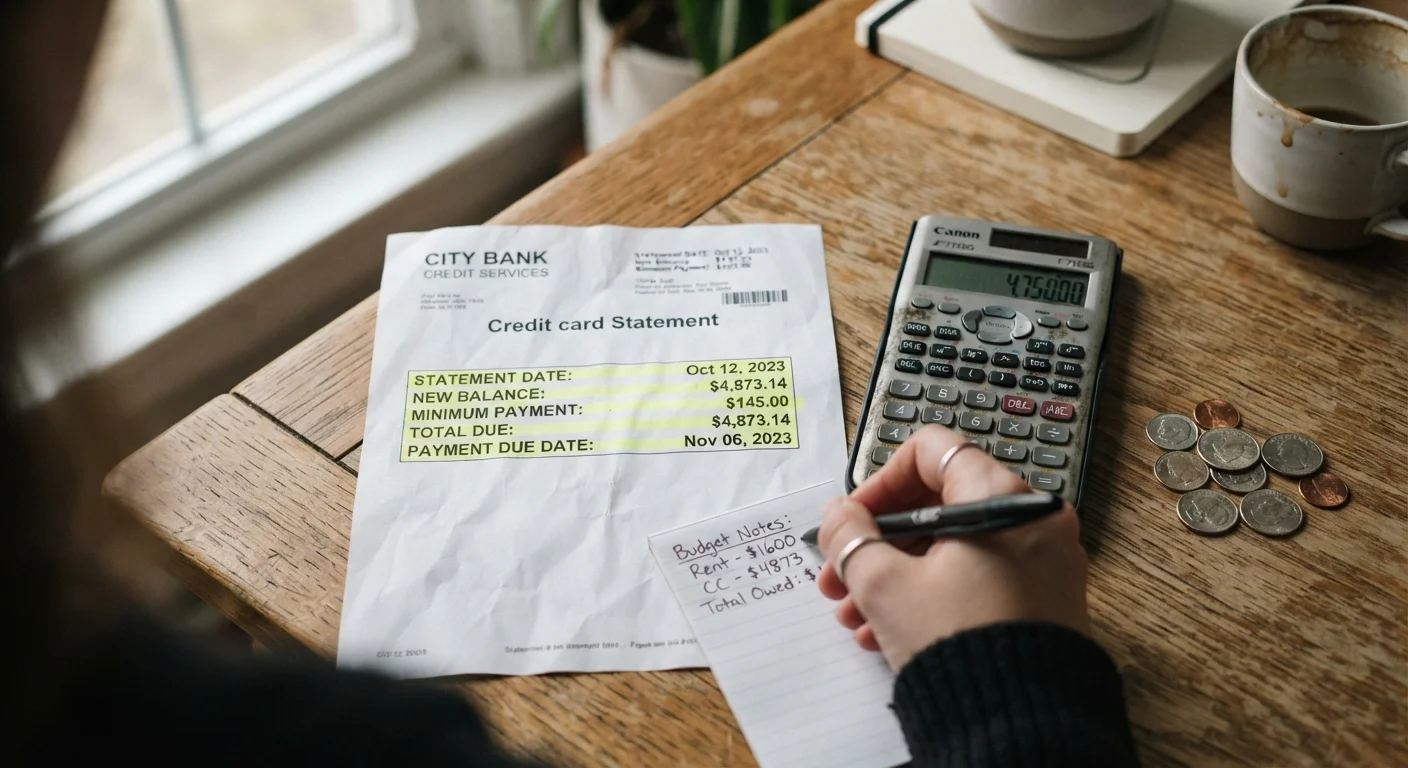
Photo: ShortwebArticles.com | Content For The Curious editorial
Key Takeaways
- Interest isn't the only cost — credit score damage and lost savings potential compound the harm.
- Even a modest balance can cost hundreds of dollars per year at typical credit card APRs.
- Carrying a balance raises your credit utilization ratio, which can lower your credit score.
- Money spent on interest is money that can't work toward savings or investment goals.
- Paying more than the minimum each month is the most direct way to reduce total interest paid.
Why Interest Is Just the Starting Point
Most people know that carrying a credit card balance means paying interest. What's less obvious is how quickly that interest compounds — and how many other financial costs quietly pile on alongside it.
At a 24% APR, a $2,000 balance that you pay only minimums on can take years to eliminate and cost well over $1,000 in interest alone. But the interest charge on your statement is only part of the story. As your real monthly cash flow gets redirected toward servicing debt, other financial priorities — emergency savings, retirement contributions, even everyday breathing room — get squeezed out.
Understanding the full picture of what revolving credit card debt costs you is the first step toward making an informed decision about how aggressively to pay it down.
~$6,000
Average American credit card balance
According to Federal Reserve and TransUnion data, the average revolving credit card balance per cardholder has hovered around this range in recent years.
20%+
Typical credit card APR in the U.S.
Federal Reserve data on credit card interest rates shows average APRs on revolving accounts consistently above 20% in recent reporting periods.
30%
Credit utilization threshold to watch
Most consumer credit education sources, including those from CFPB, reference 30% utilization as a commonly cited guideline for maintaining a healthy credit score.
The Credit Score Ripple Effect
Your credit score is shaped by several factors, and one of the most influential is your credit utilization ratio — the percentage of your total available credit that you're actively using. Most financial educators suggest keeping this ratio below 30%, and ideally much lower.
When you carry a balance, that ratio stays elevated month after month. A persistently high utilization rate can meaningfully drag down your score, even if you've never missed a payment. A lower credit score, in turn, can affect the interest rates you're offered on mortgages, auto loans, and personal loans — meaning the cost of carrying a credit card balance can extend far beyond the card itself.
Utilization Is Measured Monthly
If you're also tracking budgeting basics and trying to build long-term financial stability, protecting your credit score is part of the same picture.
Opportunity Cost: The Cost You Can't See on a Statement
Every dollar you send to a credit card issuer as interest is a dollar that isn't growing in a savings account, an emergency fund, or a retirement plan. This is what economists call opportunity cost — the value of what you give up when you use your money one way instead of another.
Consider someone paying $80 a month in credit card interest. Over a year, that's $960 — money that could have covered an emergency fund contribution, a car repair, or a meaningful addition to a retirement account. The lost compounding growth on invested savings adds another invisible layer to the true cost.
This is why eliminating high-interest debt and growing savings aren't competing goals — they're deeply connected. Understanding methods like those covered in the debt avalanche and snowball approaches can help you choose a path that balances both.
Minimum Payments: A Slow and Expensive Trap
Credit card minimum payments are intentionally structured to keep balances alive longer. When a payment barely covers the month's interest charge, the principal balance barely shrinks — and you pay interest again next month on nearly the same amount.
As explored in detail in why minimum payments keep you stuck, a balance that feels manageable can quietly take a decade or more to pay off if you only ever send the minimum. Paying even a fixed amount above the minimum — consistently, every month — dramatically cuts the total interest paid and the payoff timeline.
Pay More Than the Minimum — Every Month
If you're serious about building an accurate view of what debt is really costing you, it helps to apply the same scrutiny you'd give to any recurring expense — similar to how hidden costs stack up in renting a home.
This article is for general informational purposes only and does not constitute personalized financial or legal advice. Consult a qualified financial professional for guidance specific to your situation.
Frequently Asked Questions
The content on this site is for informational purposes only and is not a substitute for professional advice. Always consult a qualified professional for guidance specific to your situation.