
Why Skipping Routine Maintenance Costs More Than the Service Itself

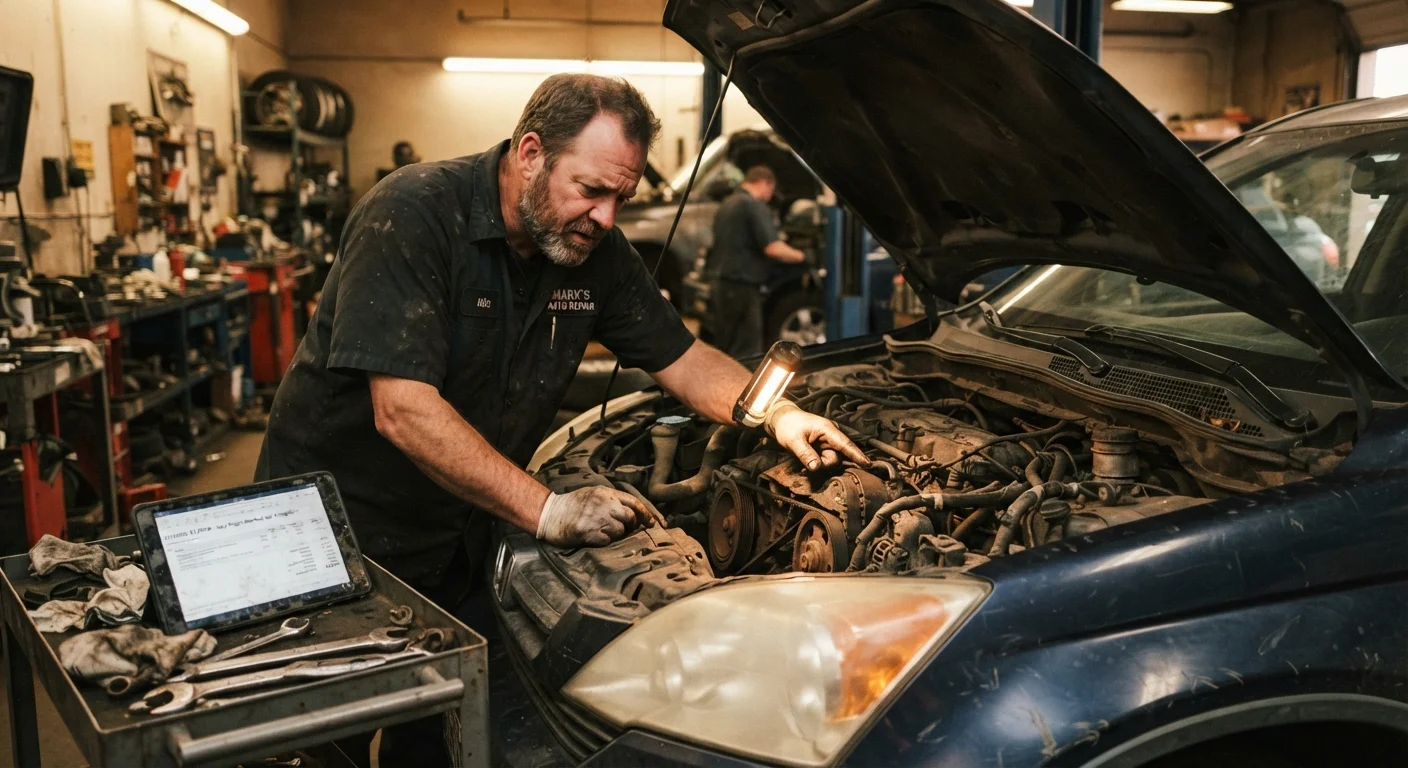
Photo: ShortwebArticles.com | Content For The Curious editorial
Key Takeaways
- Skipping oil changes is one of the fastest ways to cause serious, expensive engine damage.
- Neglected tires and brakes create safety risks that compound into much larger repair bills.
- Most routine services cost a fraction of the repairs they prevent.
- Deferred maintenance often voids manufacturer warranties, adding financial risk.
The Real Math Behind Skipping Maintenance
The logic seems reasonable at a glance: skip a $75 oil change now, and you keep $75 in your pocket. But vehicle systems are interdependent, and that math falls apart quickly once degraded fluids, worn pads, or uneven tires start compounding wear on surrounding components.
Routine maintenance exists to interrupt that chain early — before friction, heat, or contamination cause damage that no fluid change can reverse. Understanding where the cost gap actually comes from is the first step toward treating maintenance as an investment rather than an inconvenience. For a broader look at car maintenance fundamentals, it helps to understand which services matter most at each mileage milestone.
$0.09/mi
Average routine maintenance cost per mile
AAA estimates routine maintenance averages around 9 cents per mile, compared to far higher costs when repairs become necessary.
$4,000+
Typical engine repair or replacement cost
Engine damage caused by neglected oil changes or overheating can result in repair bills ranging from several thousand dollars to a total engine replacement.
75%
Of vehicle breakdowns are maintenance-related
Research by AAA has consistently found that the vast majority of roadside breakdowns involve vehicles with neglected or overdue maintenance.
Common Maintenance Mistakes and What They End Up Costing
Most deferred maintenance doesn't announce itself as a crisis — it builds quietly until a bill arrives that feels disproportionate to what seemed like a small delay. The mistakes below are among the most common, and the most preventable.
Pushing oil changes well past the recommended interval to save a small amount of money upfront.
Ignoring tire rotation and alignment until a tire blows out or wears unevenly.
Delaying brake inspections until squealing or grinding becomes impossible to ignore.
Skipping coolant and transmission fluid checks until a major system fails.
Ignoring cabin and engine air filter replacements because the car seems to run normally.
Low Oil Pressure Is an Emergency
Why the Pattern Persists — and How to Break It
Maintenance delays rarely come from indifference. More often, drivers are working around tight budgets, busy schedules, or genuine uncertainty about which services are actually necessary versus upsells. That uncertainty is worth addressing directly.
Your owner's manual is the most reliable guide to what your specific vehicle needs and when. It strips away the guesswork and the sales pressure. Keeping a simple log — even a notes app on your phone — of each service date and mileage makes it easier to track what's due and catch gaps before they become expensive.
Deferred Maintenance Can Void Your Warranty
If cost is a real concern, prioritizing oil changes and brake inspections over everything else is a reasonable starting point. Those two services prevent the highest-cost failures. Drivers managing older vehicles will find additional guidance in our article on keeping a high-mileage car running well, which covers what to prioritize past 100,000 miles.
It's also worth questioning the assumptions behind why certain services feel optional. Our article on car maintenance myths that keep costing drivers money separates what mechanics actually recommend from outdated habits and shop-floor folklore. And for anyone who has already put off a small repair, why skipping small car repairs often leads to much bigger bills explains how quickly minor issues escalate.
The content on this site is for informational purposes only and is not a substitute for professional advice. Always consult a qualified professional for guidance specific to your situation.