
Why Skipping Small Car Repairs Often Leads to Much Bigger Bills

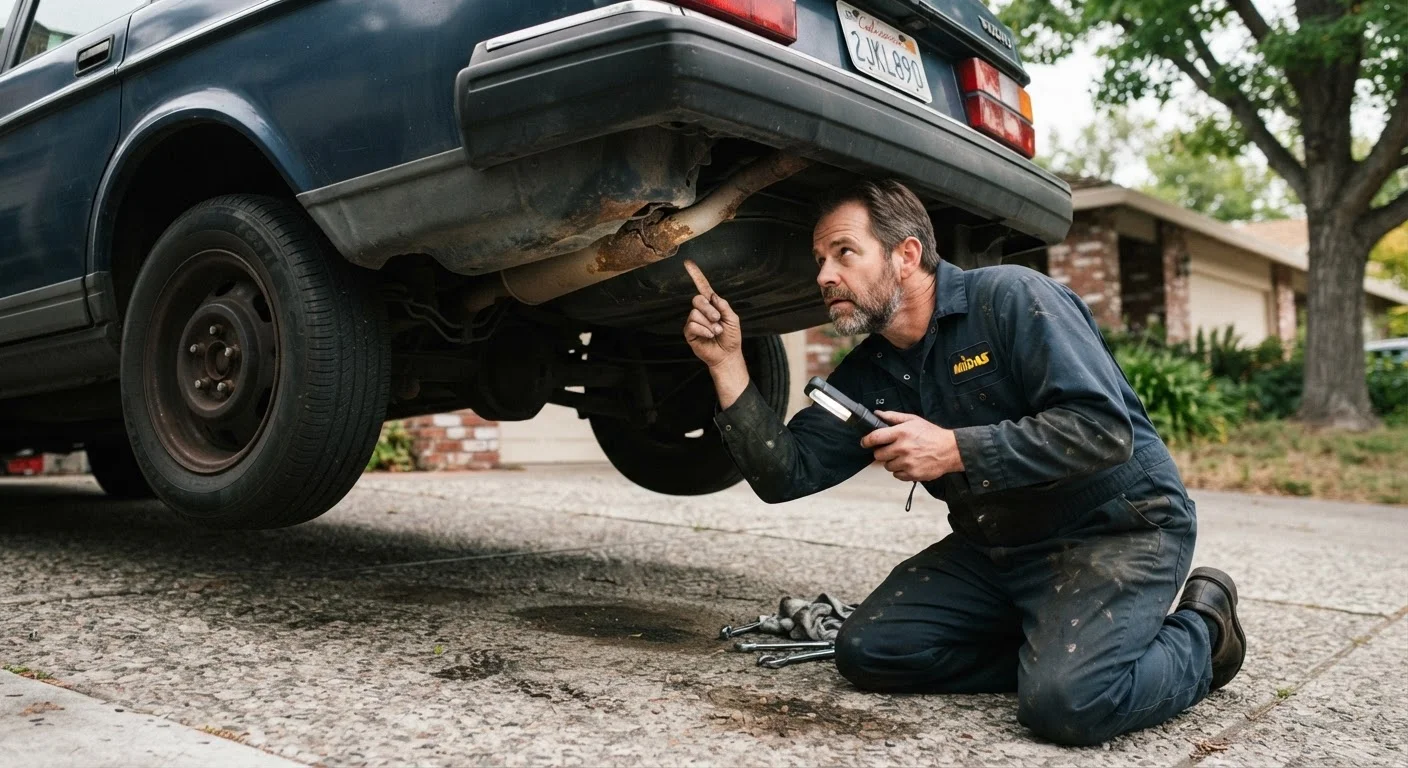
Photo: ShortwebArticles.com | Content For The Curious editorial
Key Takeaways
- Minor car issues like slow leaks or worn brake pads escalate quickly into expensive repairs.
- Deferred maintenance often voids warranty coverage and reduces a vehicle's resale value.
- Most small repairs cost a fraction of the damage caused by ignoring them.
- Warning lights and unusual noises are early signals worth addressing immediately.
- High-mileage vehicles are especially vulnerable to compounding repair neglect.
The Real Cost of Putting It Off
It's easy to rationalize skipping a small repair. The car still starts, it still drives — so how bad can it be? The problem is that most mechanical systems in a vehicle are interconnected. A minor fault in one area quietly stresses adjacent components until what started as a $90 fix becomes a $900 problem.
Research from the Car Care Council has consistently found that a significant share of vehicles on the road have maintenance items that are overdue — from low fluid levels to worn belts. Many of these are inexpensive to address early. Left alone, they become the root cause of major failures. Skipping routine maintenance follows the same pattern: the savings feel real until the bill arrives.
~$500
Average cost of a neglected minor repair escalation
The Car Care Council estimates that deferred maintenance contributes to hundreds of dollars in avoidable repair costs per vehicle annually.
3–5x
Cost multiplier when rotors are damaged by worn pads
Brake rotors typically cost three to five times more to replace than brake pads, illustrating how deferring one item can multiply the final repair bill.
Common Mistakes That Turn Small Issues Into Big Repairs
The mistakes below aren't rare — they happen to careful, well-intentioned drivers every day. Understanding why they happen is the first step toward avoiding them.
Ignoring a slow coolant leak because the temperature gauge reads normal.
Delaying an oil change past the recommended interval because the car "feels fine."
Driving on worn brake pads because braking still "seems okay."
Postponing a tire rotation because the tires look fine visually.
Dismissing an unusual noise as "just the car" without investigating.
If you're deciding which repairs to handle yourself and which to hand off, see our guide on DIY vs. shop repairs for a practical breakdown.
Warning Signs You Should Never Wait On
Some symptoms carry more urgency than others. Any of the following warrant a prompt inspection rather than a "wait and see" approach:
- Check Engine or warning lights — even a steady (not flashing) check engine light can signal a sensor or emissions issue that, unaddressed, strains the catalytic converter or oxygen sensors.
- Squealing or grinding brakes — squealing typically means pad wear indicators are contacting the rotor. Grinding means metal-on-metal contact has already begun, which damages rotors.
- Visible fluid puddles under the car — coolant, oil, and transmission fluid all leave distinct stains. Any active leak is a system under stress.
- Pulling or vibration while driving — can indicate tire, alignment, or suspension issues, all of which affect handling safety.
Don't Ignore a Flashing Check Engine Light
Owners of higher-mileage vehicles should pay particular attention to these signals. Our article on keeping a high-mileage car running well covers what to prioritize as components age.
It's also worth revisiting assumptions about what maintenance is actually necessary. Common maintenance myths sometimes cause drivers to skip things that genuinely matter — or spend money on things that don't.
The content on this site is for informational purposes only and is not a substitute for professional advice. Always consult a qualified professional for guidance specific to your situation.